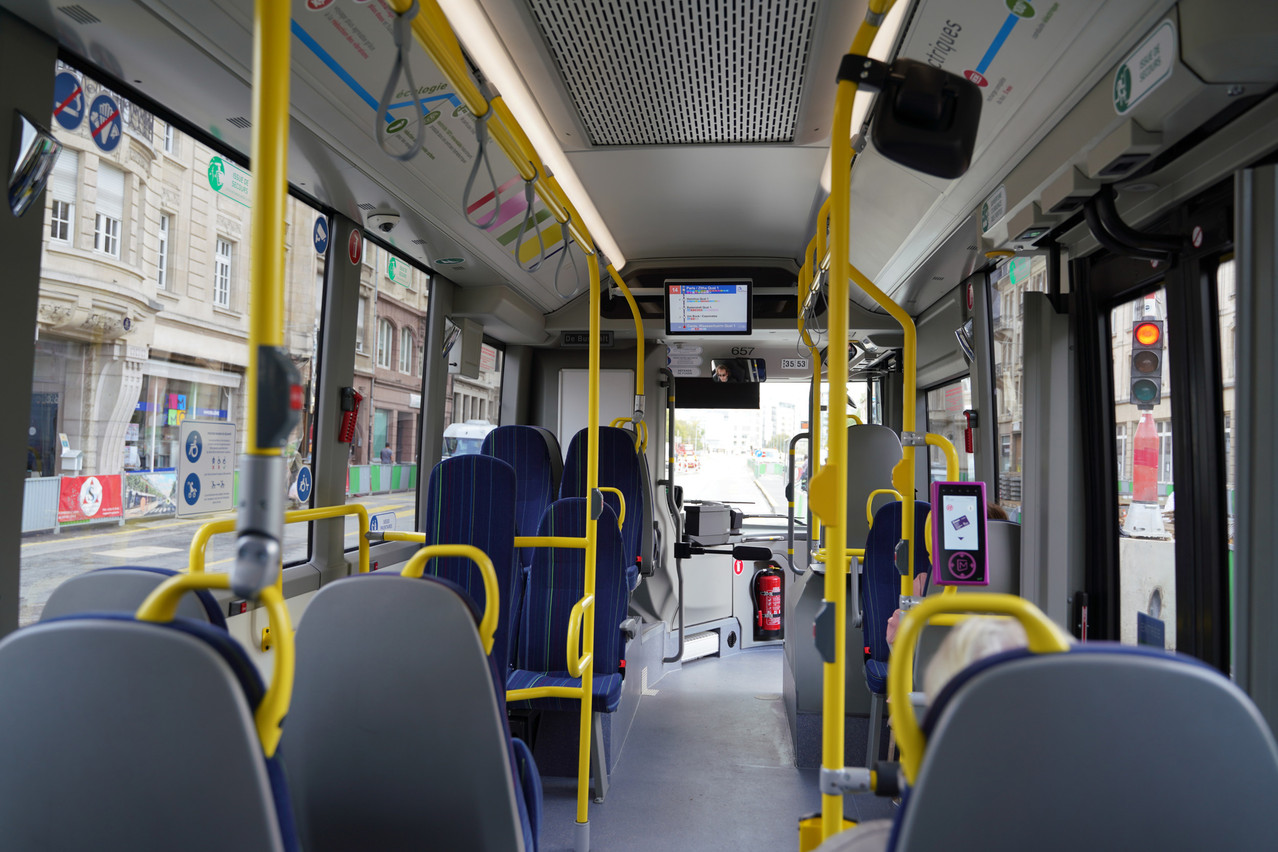
Despite a discount at the pump, fossil fuels remain expensive, especially for frequent drivers. However, drivers could still be hesitant to lean on public transportation due to poor organisation, quality and infrastructure, the public transport action group shared during a press conference.
The national mobility plan presented by transports and public works minister François Bausch may present great ideas, but would take too long to implement, the group explained. The plan, which foresees the development of multimodal corridors, an increase in cycling infrastructures and a step away from polluting cars stretches out until 2035.
Alongside this, communes often don’t do enough to promote transportation means such as buses, despite the fact that “many communes could be big actors to promote” public transport, the group told news site RTL.
“What we need is a further quality leap in public transport in terms of attractiveness, organisation, quality and infrastructure. We need a coherent transport strategy with the railway as the backbone, which can find an answer to the challenges in terms of mobility in a regional and a national and also in a cross-border concept,” the group’s president Roland Schreiner stated.
While further extensions to the tramline network in the capital city have been announced by the Luxembourg Times, the issue with public transport for the initiative is not just a matter of the transport itself, but also of working conditions for staff.
According to the Aktioun ëffentlechen Transport, the grand duchy’s difficulty to recruit bus drivers from the country and the Greater Region is indicative of an issue with the quality of work in the private sector.