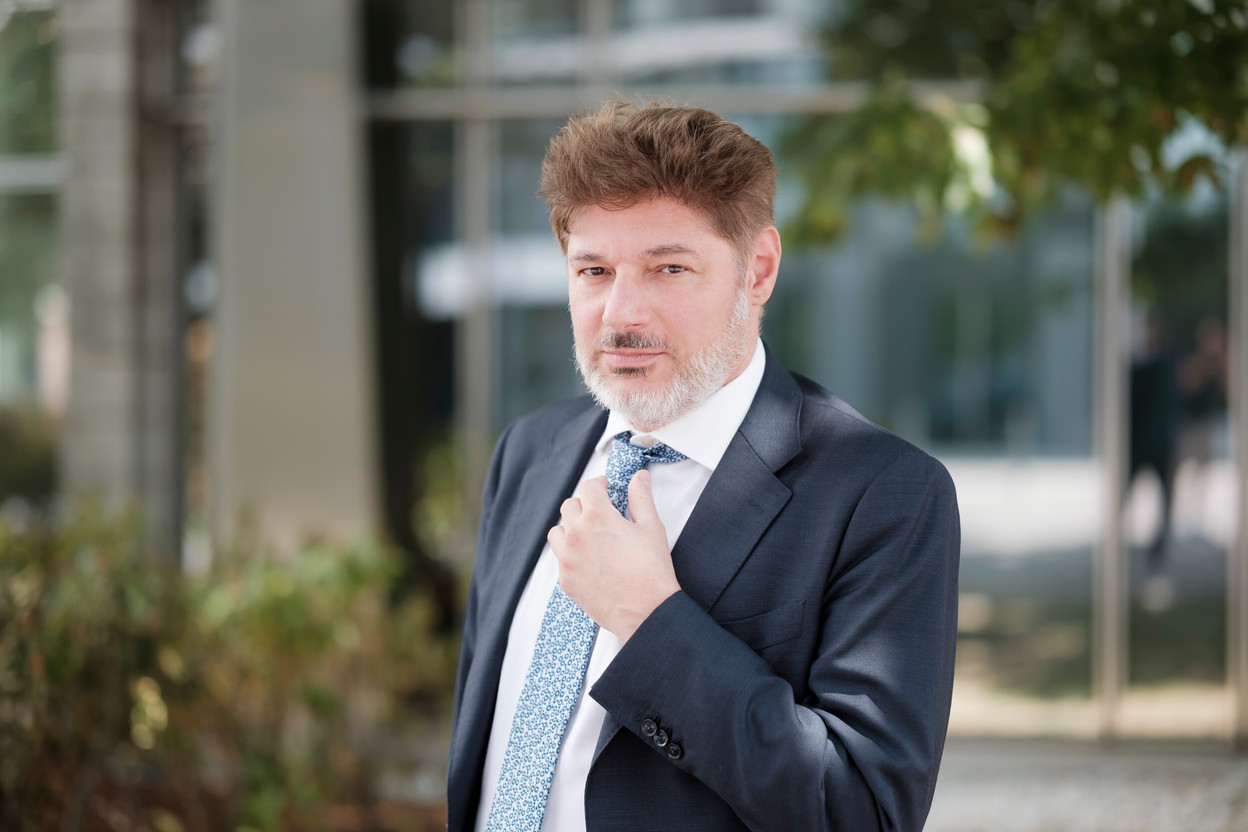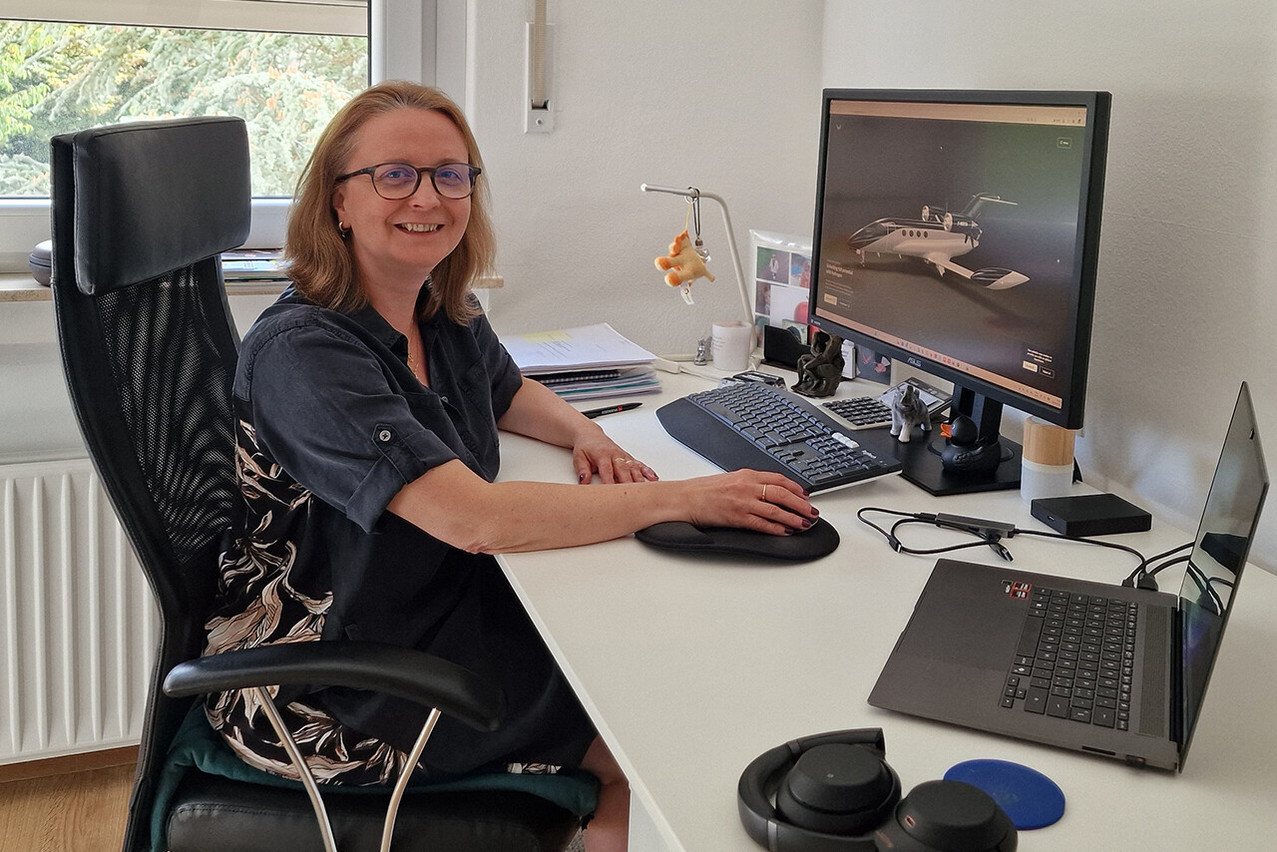
Luxembourg has built its financial reputation on structuring and administering global investment funds. But that expertise has yet to translate into a sufficiently active role in financing industrial innovation, argued Agnieszka Noël-Druzd, founder and managing director of Lanoday.
In an interview on 28 September 2026, she described a gap between the grand duchy’s strength as a fund domicile and its capacity to originate deals, assess technologies, and deploy equity capital.
As European scale-ups seek funding for capital-intensive development, she argued, Luxembourg needs more investment decision-makers alongside its established administrative infrastructure.
A financial giant anchored in the back office
“Luxembourg’s financial ecosystem operates more as a vault than an engine,” Noël-Druzd argued.
The country has become an important base for global private equity structures. In her assessment, however, much of its financial community remains concentrated in mid- and back-office functions, while investment decisions are made elsewhere.
She said single-family offices often view Luxembourg primarily as an administrative jurisdiction. When seeking opportunities in industrial innovation or healthcare, family principals rarely consider the grand duchy a source of deal flow, she added.
The challenge is to develop local teams with both the expertise to evaluate those opportunities and the authority to commit capital.
Seed money, then silence
Noël-Druzd identified a mismatch between the support available to young businesses and the financing they need as they grow.
University incubators and other startup programmes can help founders develop their ideas and prepare for investment. But companies with substantial research, infrastructure or manufacturing needs face a harder task when seeking larger equity rounds.
In her experience, family office representatives in Luxembourg tend to favour listed assets and conservative treasury management. That cautious approach, she argued, limits their participation in businesses with long development timelines and uncertain exits.
Without stronger and experienced local investment teams and later-stage equity backing, promising companies may have to seek financing abroad or delay their expansion.
Europe’s capital takes the wrong flight
Noël-Druzd sees a similar problem across Europe. Risk aversion and limited exit opportunities, she argued, discourage investors from backing capital-intensive ventures.
Business aircraft […] also supports the health sector through the urgent transport of patients or organs

She contrasted interest in liquid market investments and US technology companies with the financing needs of industrial decarbonisation, aviation infrastructure, and advanced manufacturing.
One example she cited was Beyond Aero, the French company developing hydrogen-electric business aircraft. The company has announced a partnership with Luxaviation and several airports to develop infrastructure to source hydrogen. Noël-Druzd highlighted potential applications beyond conventional private aviation.
“These planes are not only for billionaires, but they also support the health sector through the urgent transport of patients or organs,” she said.
In her account, the company’s search for growth capital illustrates the difficulty of securing large equity commitments for European aviation projects, even as they develop commercial partnerships. She noted that Eloa Guillotin, the CEO and co-founder, will speak at the LPEA’s Venture Days on 15 October 2026 in Luxembourg.
Debt cannot fill every equity gap
Foreign financing does not always meet the needs of these businesses, Noël-Druzd stressed.
She said some international investors approach European industrial opportunities with private debt rather than the patient equity required to support years of development.
For businesses without sufficient cash flow, expensive debt can be difficult to service. Borrowing may therefore add financial pressure before a company is ready to generate meaningful revenue.
Noël-Druzd argued that industrial scale-ups need investors whose time horizons match their research, certification and production cycles. Without that support, companies may face constrained growth, acquisition by overseas buyers or failure.
Bringing public and private investors together
To attract more private capital, Noël-Druzd called for closer cooperation between public institutions, corporate partners and venture investors, an approach adopted in Israel, Noël-Druzd said.
Family offices do not always have the internal capacity to assess specialised technologies, she said. Sectors such as biotechnology and semiconductors require technical due diligence that may be beyond the resources of a generalist investment team.
Participation by an experienced institutional investor can help build confidence and encourage private investors to join a financing round, she argued.
Public backing can take different forms, including support for investment funds, co-investment mechanisms and guarantees. The task is to connect those tools with corporate expertise and private investors willing to commit long-term capital.
By uniting corporate buyers, institutional leads, and private wealth, Europe can build the front-office capability needed to keep its brightest industrial champions funded at home.