Today the building has been bulldozed. But for over 50 years, 107 Route d’Esch in Luxembourg was the home of the Cercle culturel Curiel, more commonly known as the Circolo Curiel. It is the subject of the documentary “What’s Left” (“La Fourchette à Gauche” in French) directed by 
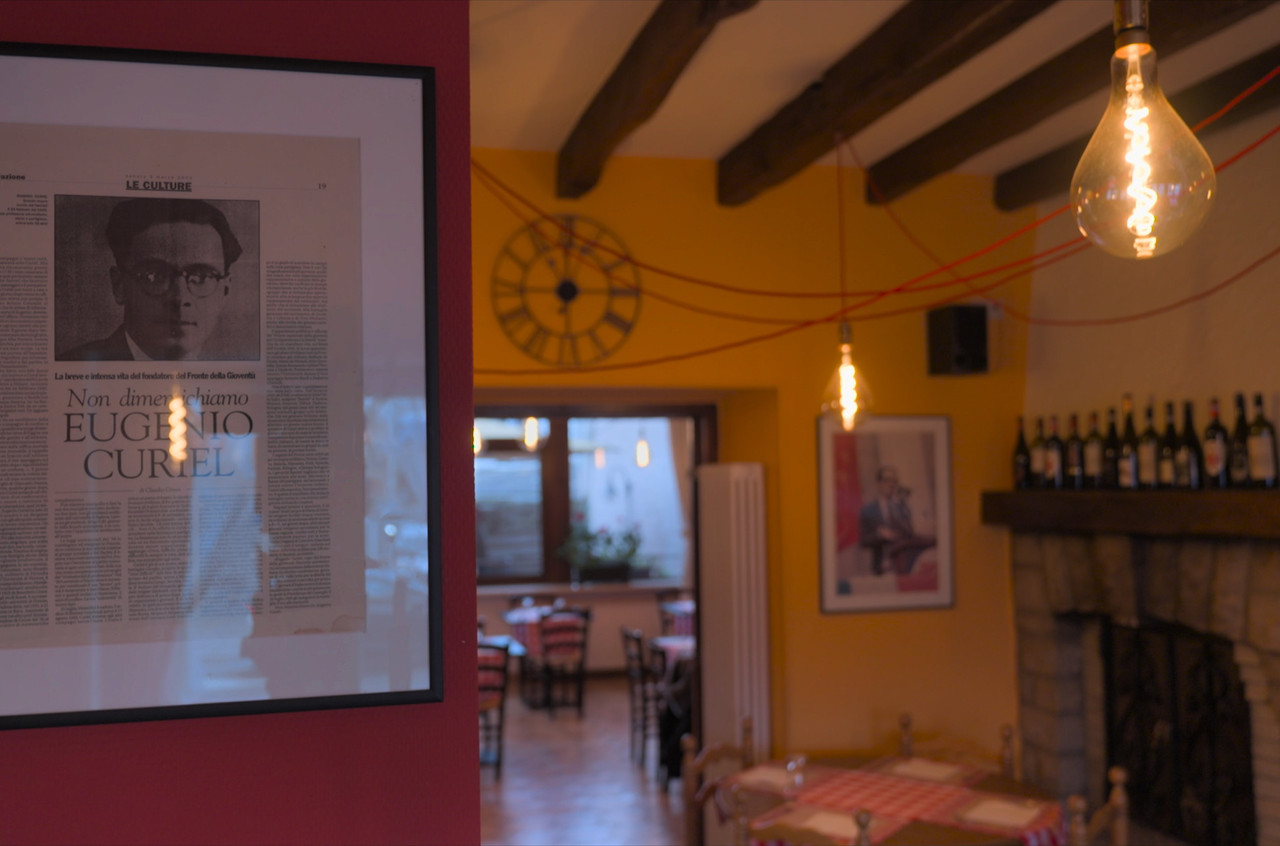
The Cercle culturel Curiel in 1971 welcomed the Luxembourg headquarters of the Italian Communist Party, which was dissolved in 1991 and re-founded as the Social Democratic Party. Self-managed, it became a meeting place for the Italian community, which at the time consisted mainly of foundry workers, miners and bricklayers. In the 1970s-1990s, in a Luxembourg where such meeting places were rare, the Circolo Curiel occupied a special place. Italians came here to meet up, have fun, discuss politics, speak Italian and talk about Italy.
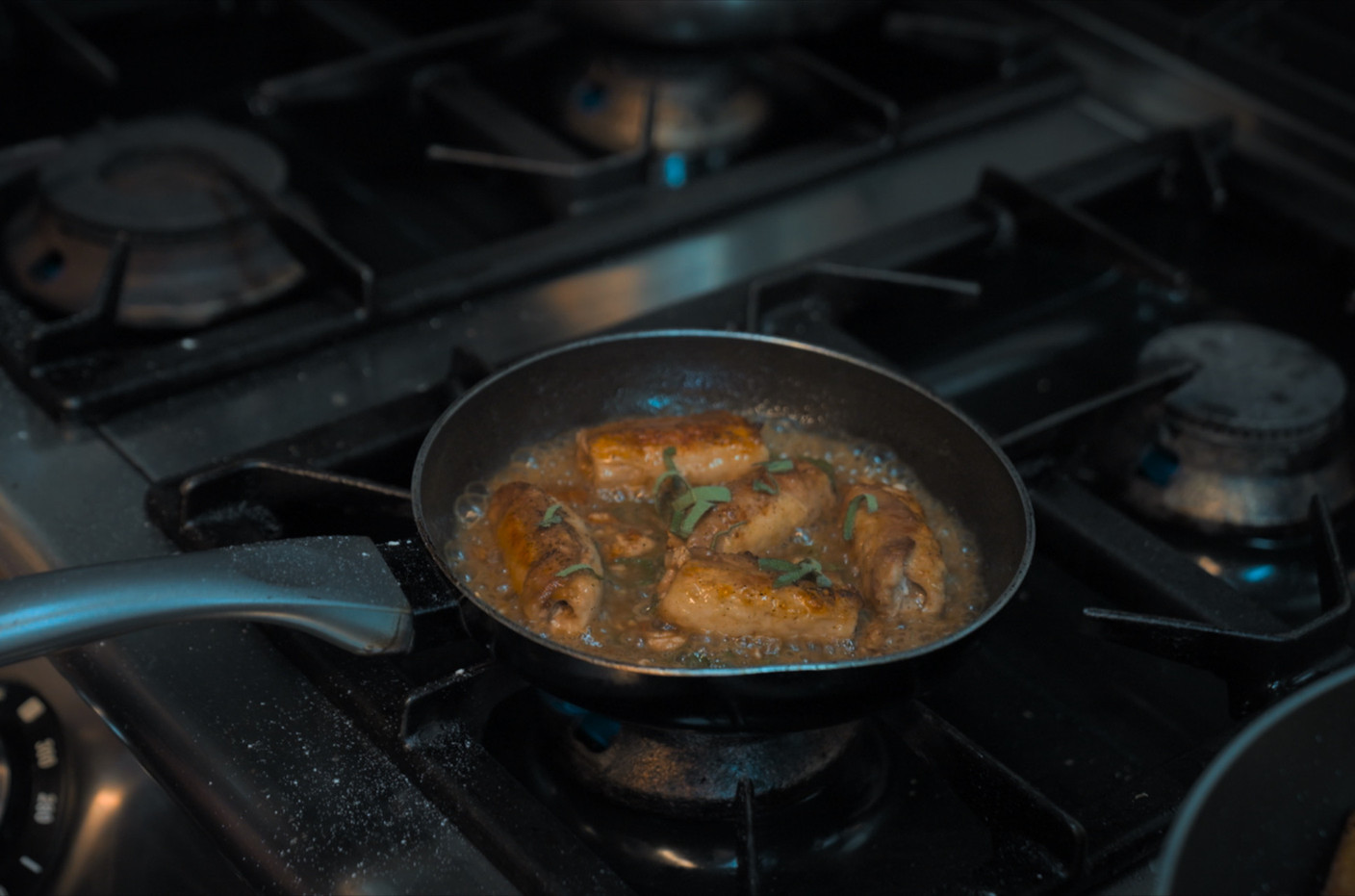
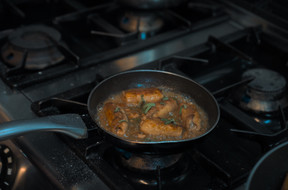
In 1983, the association set up a restaurant on the ground floor. And what could be better than exchanging ideas over a good meal prepared by Marinela, who cooked homemade pasta and saltimbocca like no one else. Political discussions were in full swing, spanning all left-wing tendencies. There were also meeting rooms for associations and a library, which over the years became the largest private Italian-language library in the country. The meeting room was often used for a film night or a political debate. Culture and politics had their place here.
In this building, Luxembourg grew, exchanged and debated: public figures, politicians, business people, ordinary citizens, Italians, Luxembourgers, foreigners... came here to eat and chat. Food for the body and mind that went beyond the Italian community.
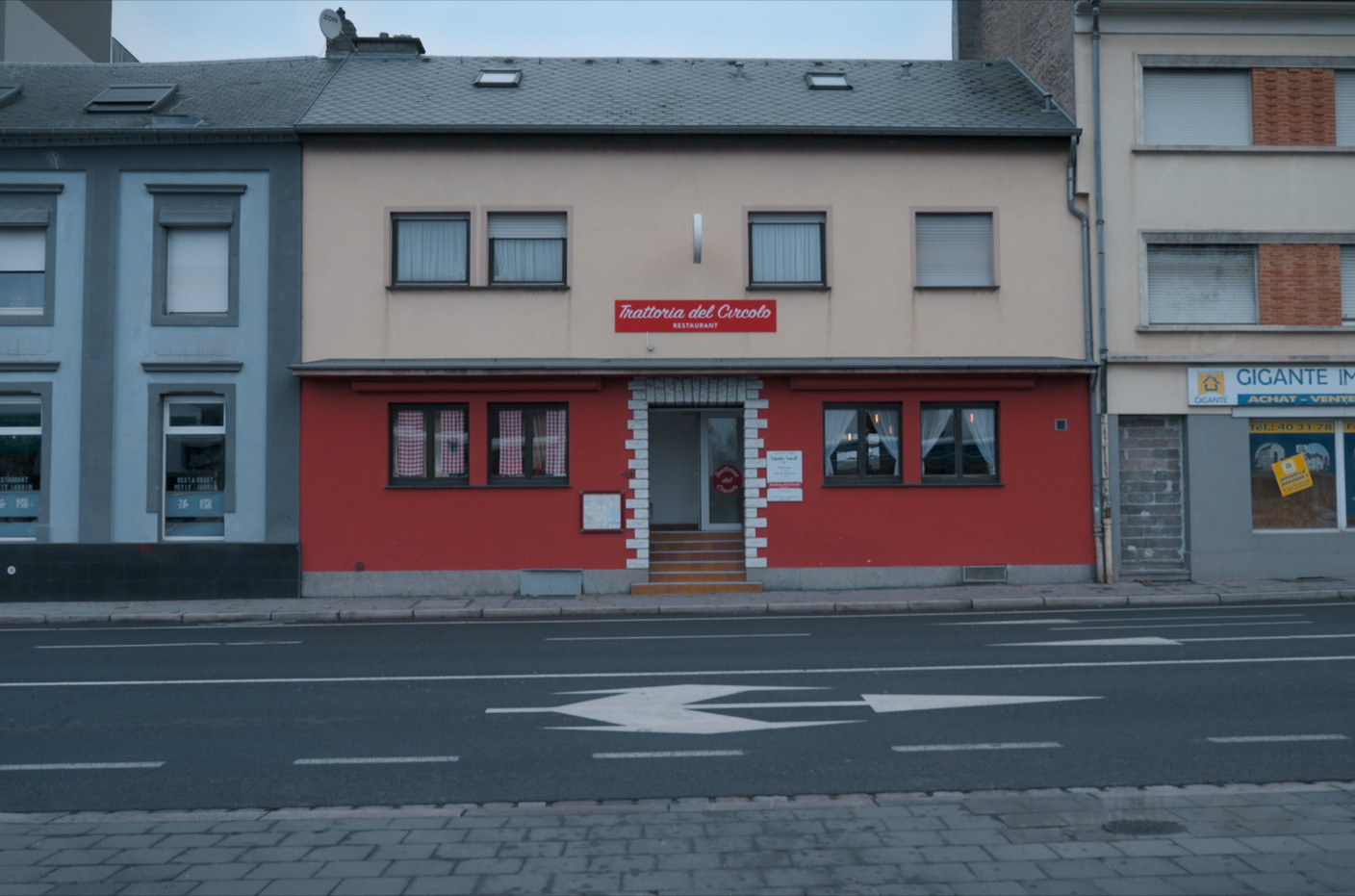
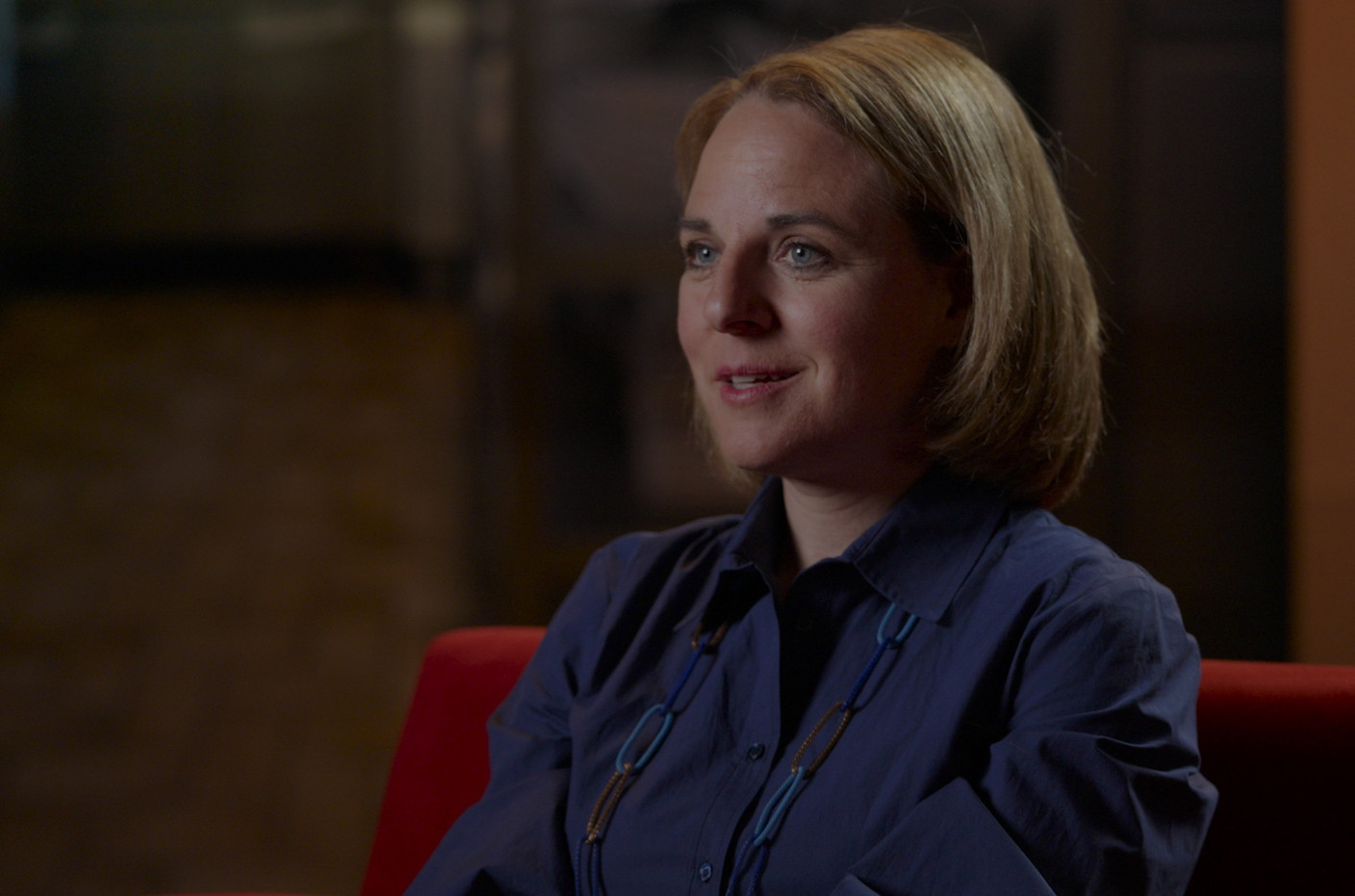
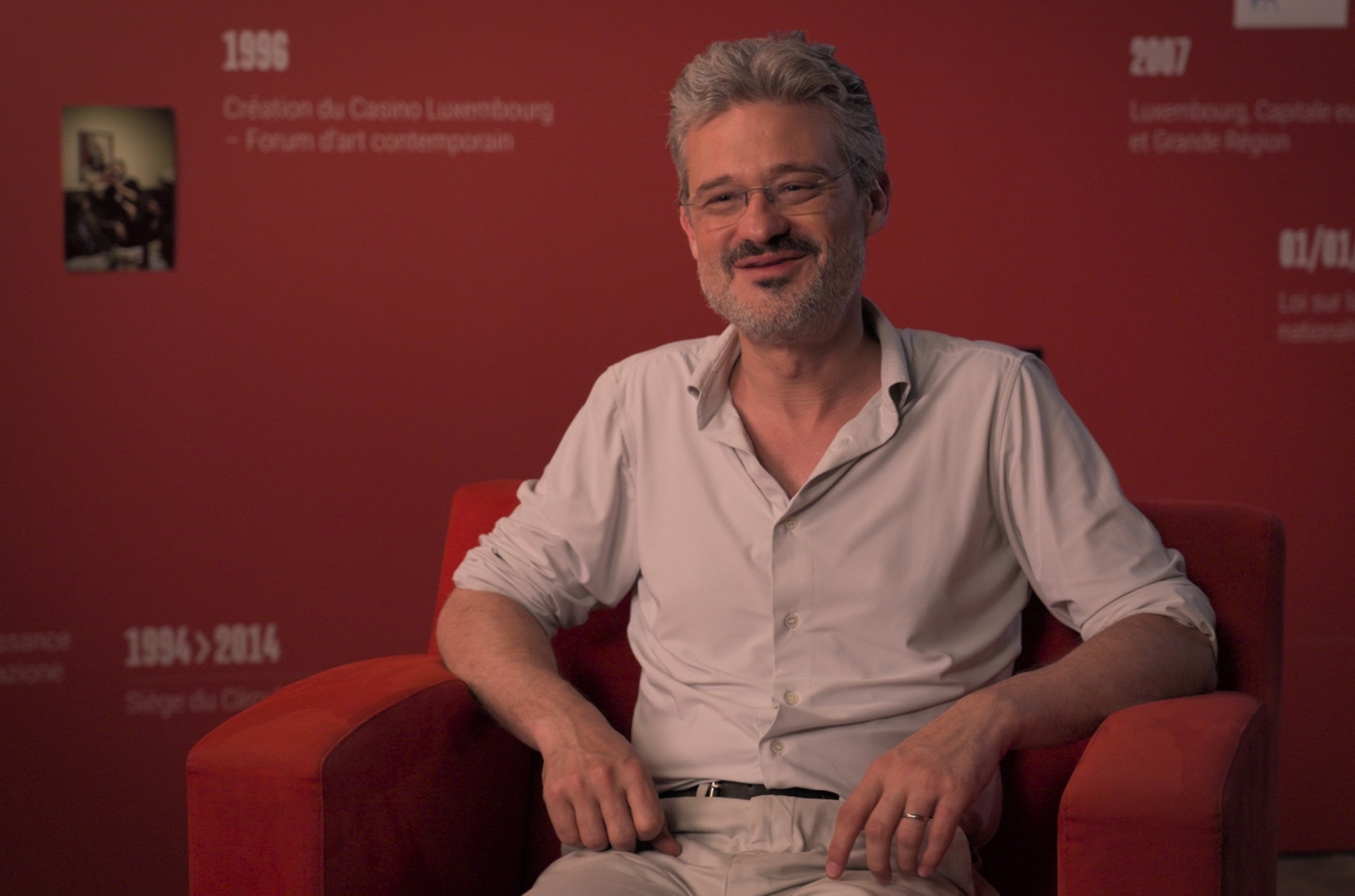
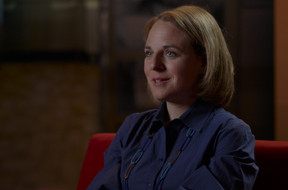
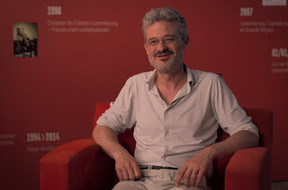
Today, the building has been demolished, as part of a building project involving a large part of the street. But the association has retained ownership of the premises and will be able to move back into the new building. “La Fourchette à Gauche” (production: Tarantula) traces the history of this circle and, above all, highlights the influence it had on those who frequented it, whether politicians such as 


Unable to rely on physical archives, which are virtually non-existent today, Rotunno called on those who had made and experienced the Circolo Curiel, bringing it back to life through the human memory and experiences of those who had frequented it. To this end, he has recreated the space in a studio to facilitate the gathering and sharing of these personal accounts.
In addition, to illustrate the wider context, the film draws parallels with similar spaces across Europe, notably Zurich’s ‘Coopi,’ which closed in 2023 after 117 years in business. This comparison underlines the universality of the themes explored in “La Fourchette à Gauche,” which--more than a historical narrative--is a reflection on the enduring importance of physical spaces for political and social engagement in a digital world. The film invites viewers to reflect on how the younger generation can carry the torch of activism while adapting to evolving methods of communication and engagement.
Released in cinemas on 20 November. The film has been selected for the Villerupt Italian Film Festival.
This article was originally published in French.