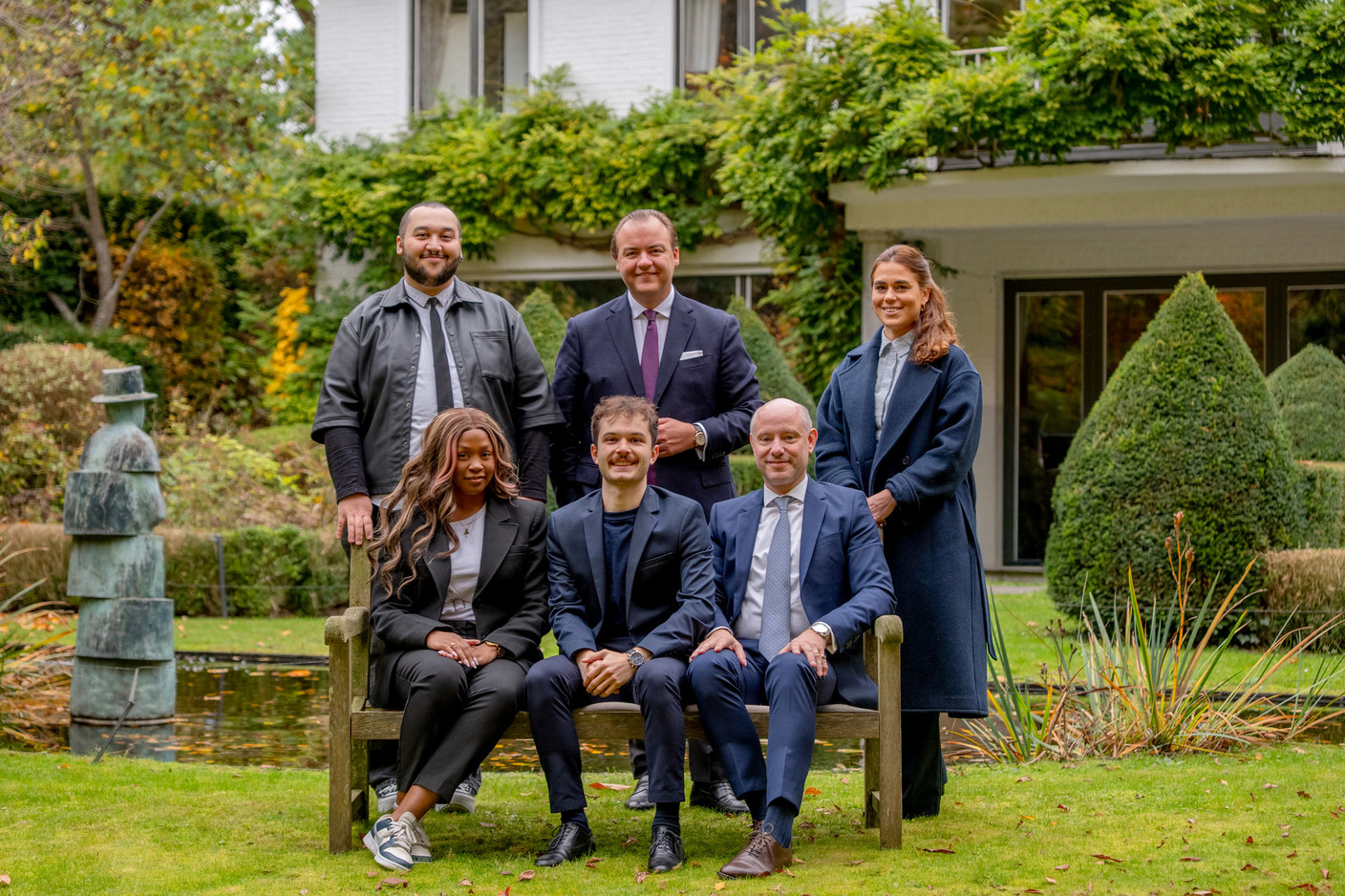
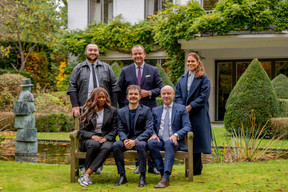
“Only hard-working professionals and enthusiasts will stay in the game.” At Bricksquare, a property consultancy, the message is clear. After more than 20 years of virtually uninterrupted growth, the dynamics of the Luxembourg market have changed. For Bricksquare managing partner 
However, the managing partner is not talking about a systemic crisis. Rather, he is talking about a normalisation after a long period of euphoria. “There are opportunities in all asset classes. Even small investors can find their place,” he insists.
“Crisis of confidence”
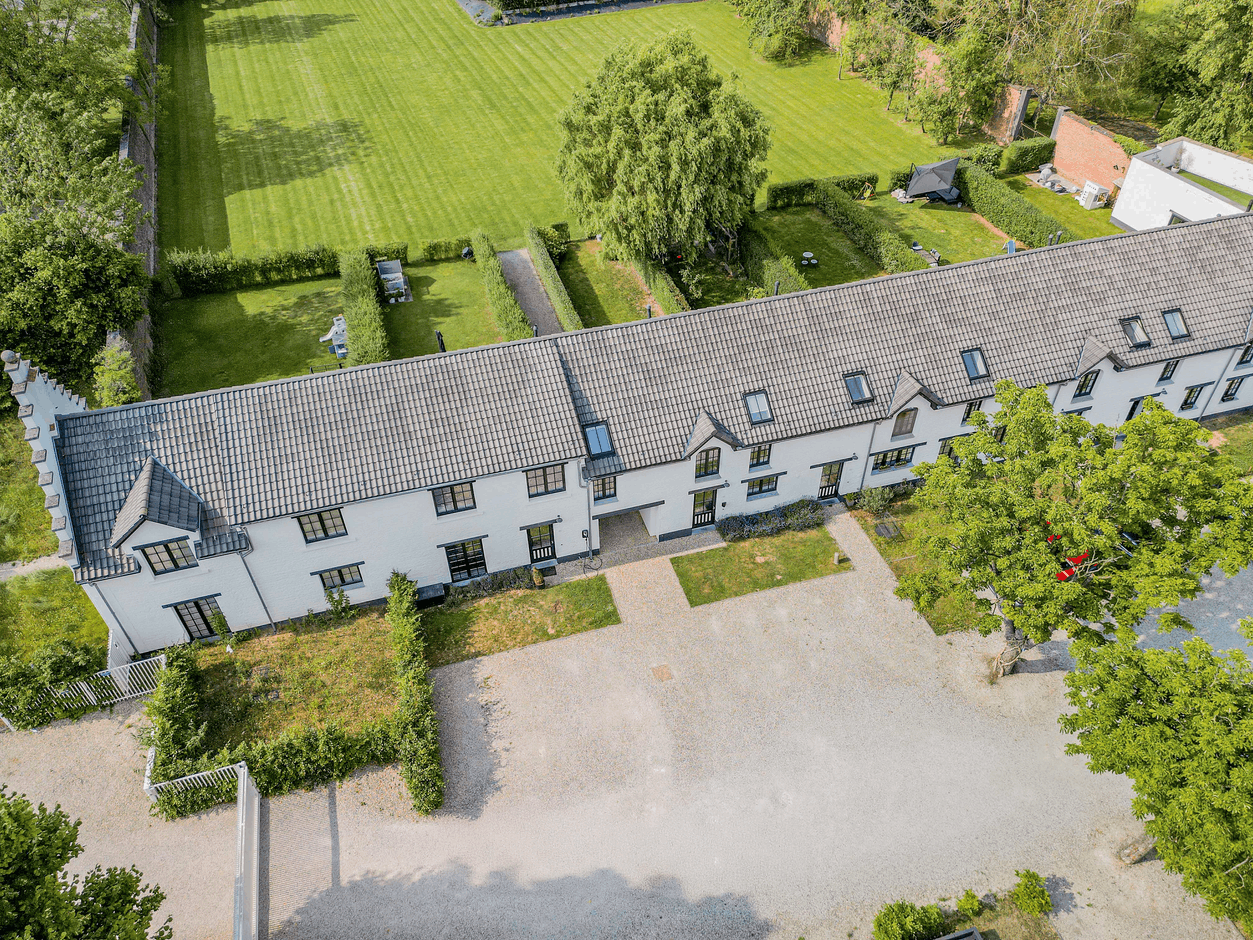
In Rodolphe De Blieck’s view, residential property remains a solid base. “Rental demand remains structurally strong. Luxembourg City and its suburbs continue to attract people and the country’s attractiveness has not disappeared. Against this backdrop, investing in an existing rental flat is not an excessive gamble. The risk is measured, as the need for housing remains real. The demographic dynamic has slowed, but it has not reversed. The market is not collapsing, it is rebalancing.”
Today, the sector is staring into the distance, wondering who, the seller or the buyer, is going to give up first…

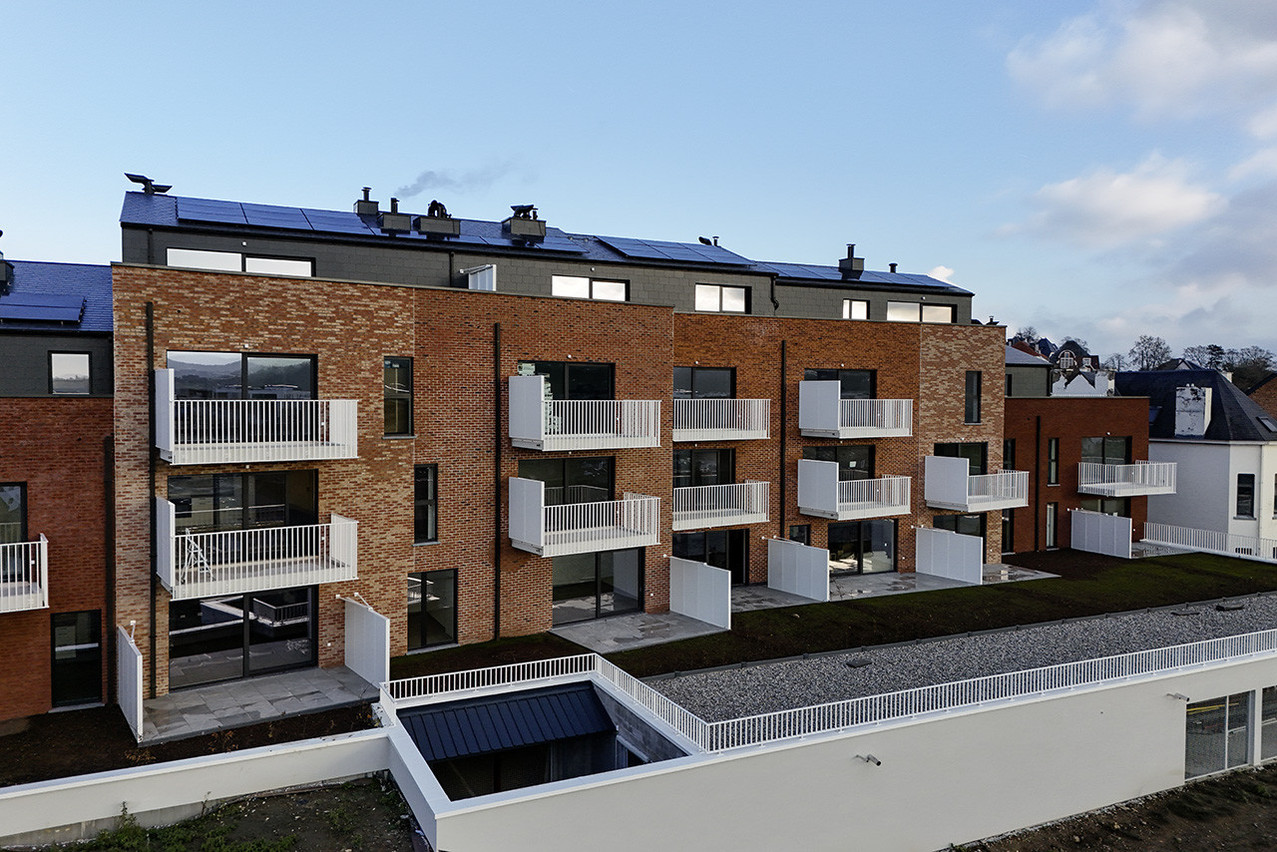
On the new-build segment, Rodolphe De Blieck qualifies. “Land acquisition costs have been high. Not all developers have the same scope for adjustment. Some off-plan developments have suffered from bad publicity, with a number of high-profile bankruptcies fuelling mistrust. But these are isolated cases! Many solid players are continuing to operate.”

Buying new today means acquiring a property that is energy efficient and benefits from high technical standards. And sometimes on more attractive terms than two years ago. Quality is still a differentiating factor.
Partner at Bricksquare, Harry Chkolar agrees with the correction, but places greater emphasis on the psychological dimension: “The market is going through a crisis of confidence above all. Today, the sector is staring at each other in the face, wondering who, the buyer or the seller, is going to be the first to give up… The break-up was brutal after ten years of continuous growth. Each player is watching the other. Will the bank relax its conditions? Will the seller agree to lower his price? Will the buyer increase his contribution?”
Transactions are sometimes painful and some sales are the result of external pressure (end of credit, banking constraints, need to release capital, etc.). However, Harry Chkolar has noticed a movement since the end of December. Buyers with their own funds are returning to the market. Less dependent on bank financing, they are acting more quickly. “This is an encouraging sign for 2026.”
No decline, just a rebalancing
The two professionals refuse to talk about a decline. They talk of a rebalancing. Luxembourg is not losing its appeal; it is adjusting its pace and prices are stabilising. The national average is around €6,000/m². Growth is no longer exponential, but it is not becoming negative.
For first-time buyers, the approach is pragmatic: “You have to avoid being too ambitious at the outset, and accept smaller areas in order to get your first foot on the market. Studios of 35 to 40m², compact flats, properties on the outskirts—the opportunities are there if you’re willing to compromise. Not to mention the fact that one of the country’s advantages, free mobility, makes it easier to move away geographically.”
On the subject of long leaseholds, Harry Chkolar is somewhat reserved: “The main advantage often lies in the price of access, but the discount compared with full ownership remains limited. In the end, the real benefit is mainly for the landowner.”
As far as investors are concerned, new segments are emerging. There is growing interest in coliving, and hospitality in the broadest sense is once again attracting attention. As a result, a number of projects stalled by rising interest rates could be revived.
The service sector also offers targeted opportunities. But price expectations need to be aligned with reality. Negotiation is once again central… as is patience.
The responsibility of estate agents
Finally, the two partners emphasise the profound changes in their profession. “The days of easy money are over. Brokerage is no longer a race against time. It’s a job of endurance. Projects have to be beyond reproach, from the point of view of legal, tax, town-planning and energy analyses, as well as technical audits. In short, [they require] exhaustive preparation,” says Harry Chkolar.
Given the current context, our work is now more that of a long-distance runner than a sprinter.

“The slightest grey area can weaken a transaction. Customers expect more added value. More support. More transparency. The current correction is creating windows of opportunity,” continues Rodolphe De Blieck. For Harry Chkolar, confidence is gradually returning: “Luxembourg property is not at a standstill. Given the current context, our work is now more like that of a long-distance runner than a sprinter. It’s changing tempo. And 2026 could well mark the start of a new cycle.”