Energy is no longer just a cost item: in contemporary real estate, it is becoming a strategic backbone of every project. Developers, investors and public authorities are now incorporating energy performance as a major determinant of the value and resilience of assets, a fact borne out by the interest in conferences organised by property law firm Krieger Associates on 10 and 12 February.
The European Nearly-zero energy buildings (NZEB) and Zero-emission buildings (ZEB) standards are redefining the way buildings and neighbourhoods are designed. The aim is no longer simply to optimise a building, but to rethink the energy infrastructure on an urban scale. Geothermal energy, district heating, heat pumps, solar panels and centralised production are becoming structuring elements. A review of the advantages of the different options.
—Passive buildings remain a benchmark. Reinforced insulation, airtightness, dual-flow ventilation: reducing needs takes precedence over production. The benefits lie in load stability and thermal comfort. Its constraints: irreproachable technical execution and controlled initial extra costs.
—The positive energy building (Bepos) has reached a milestone. It produces more than it consumes on an annual basis. Photovoltaics, intelligent control and storage are becoming essential. The difficulty lies in striking a real balance between intermittent production and everyday use.
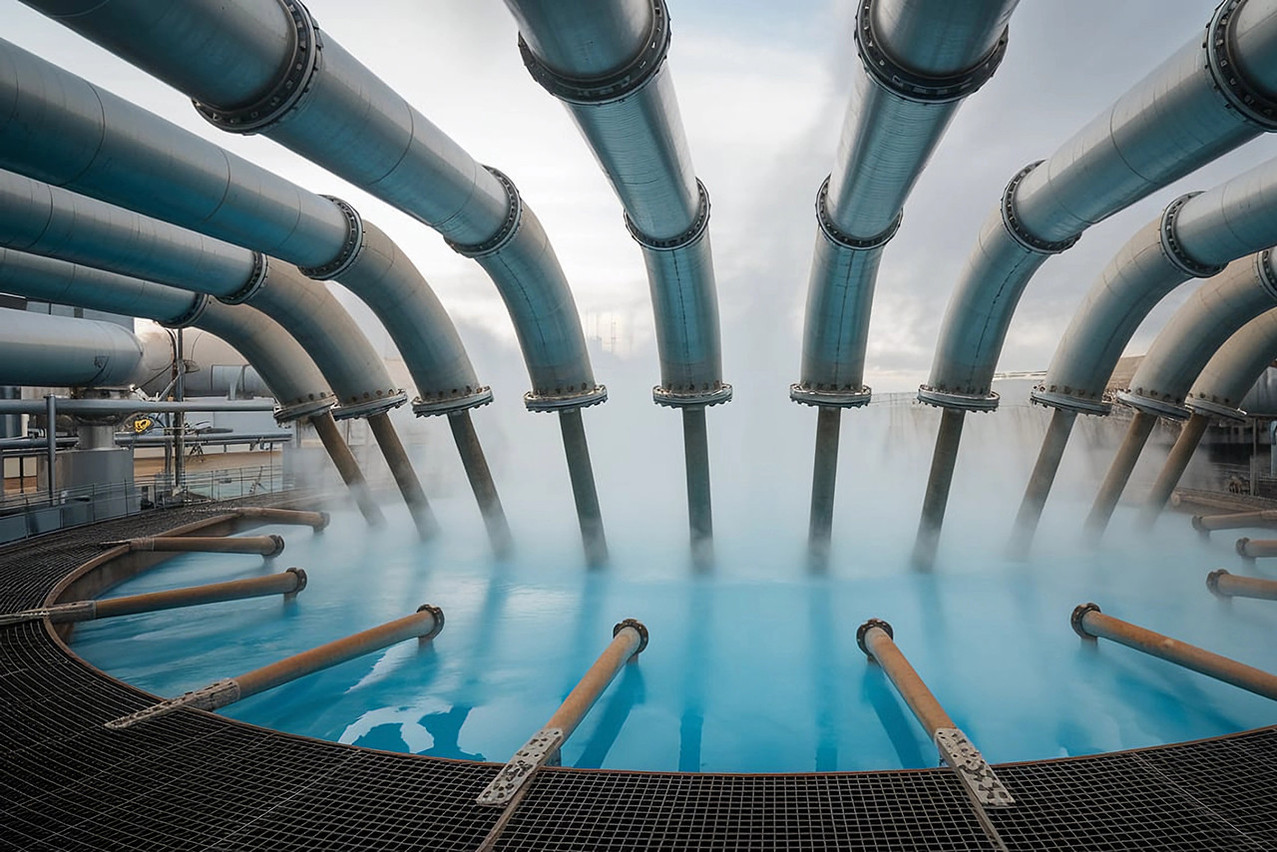
—Geothermal energy is becoming an established part of large-scale projects, offering a stable, low-carbon source. Its economic advantage becomes apparent over the long term. However, it requires in-depth soil studies, specific permits and substantial investment.
—Heat pumps are becoming more widespread. Their performance depends closely on the quality of the thermal envelope. They require distribution systems to be adapted. Their incorrect sizing can compromise overall efficiency.
—Decarbonated district heating networks provide collective leverage and pool production from biomass, geothermal or waste heat. They simplify operation for connected buildings. The key issue remains their ownership, maintenance and installation on public roads.
—Solar power can be integrated into roofs and facades. It reinforces the energy autonomy and sustainable image of the project. Its profitability depends on the regulatory framework and support mechanisms. Its architectural integration requires aesthetic and technical coherence.
—The smart building complements these systems: sensors and technical management systems optimise heating, ventilation and lighting in real time. The benefits are twofold: savings and increased comfort. The constraint then concerns maintenance, cyber security and technological obsolescence.
Scale legal and operational issues
Who designs, finances, builds and operates these infrastructures? Ad hoc companies, co-ownership groups, long leaseholds, surface areas, forced joint ownership or easements: the arrangements are becoming increasingly complex. The future volumetric cadastre could provide new answers.
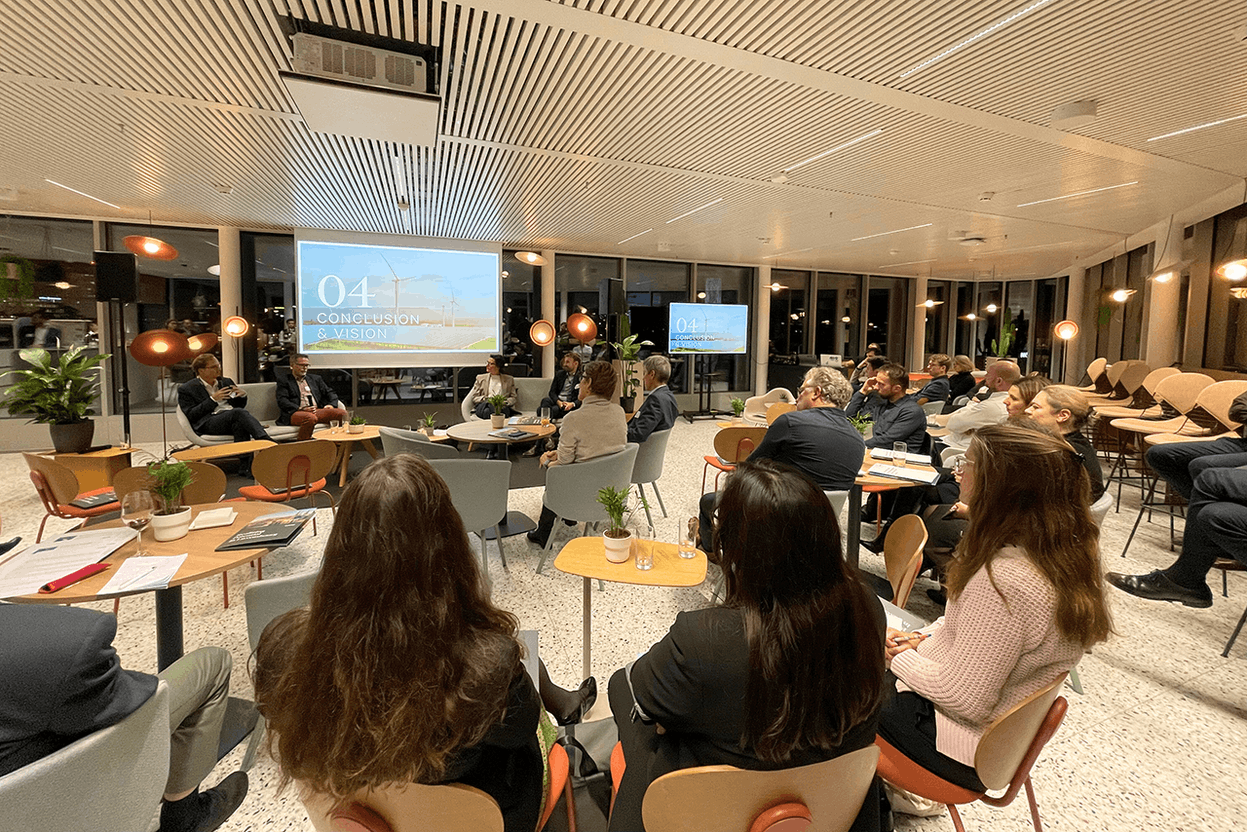
These questions are at the heart of two days of conferences organised by Krieger Associates, in collaboration with IKO Real Estate, LSC360 and Ista Luxembourg, at the Parc Belle-Vue hotel. Focusing on the theme of energy infrastructures for the neighbourhoods of tomorrow, they are a perfect illustration of the sector’s evolution.
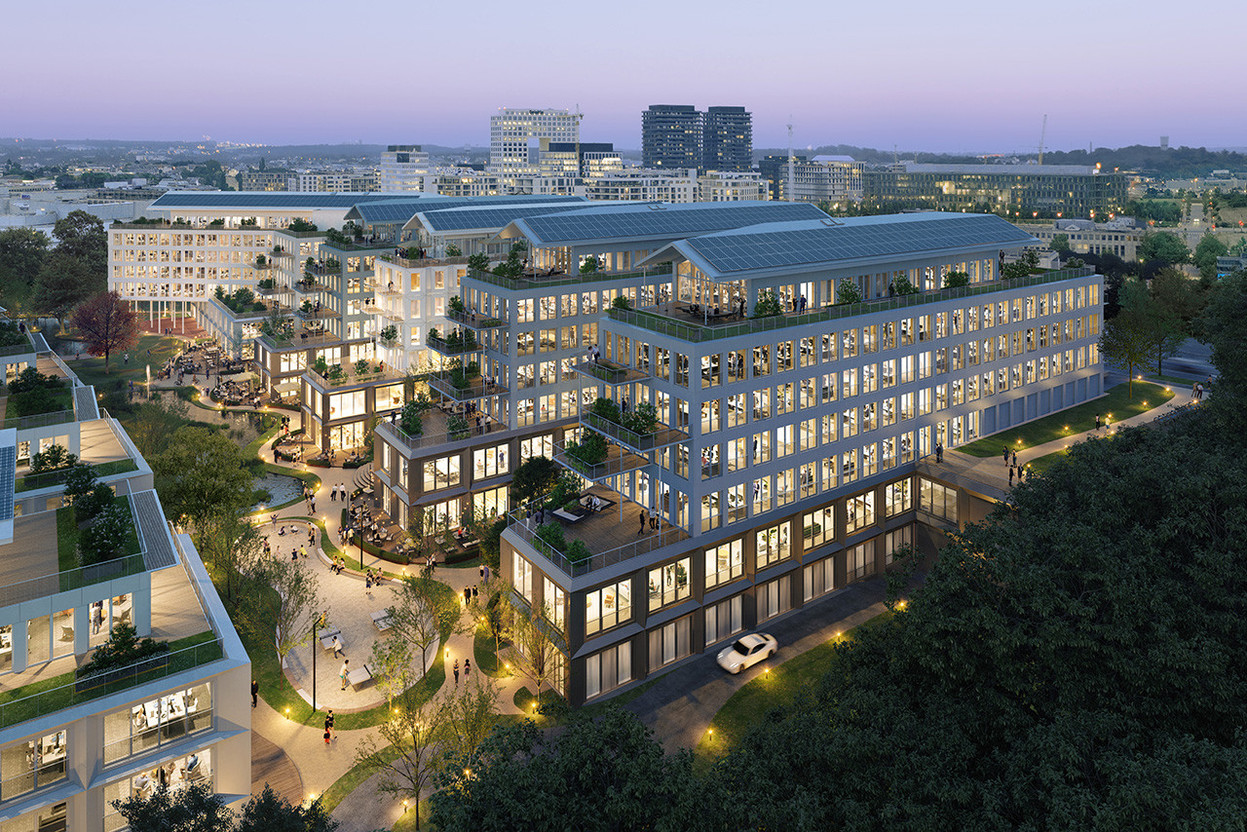
IKO Real Estate will be sharing its feedback on the development of the Rout Lëns neighbourhood, an ambitious project incorporating innovative energy infrastructures. LSC360 will analyse possible concepts depending on the context: existing neighbourhoods, new developments, business parks, public or private projects. Also examined will be the concrete implications right from the planning stage, and then throughout the life cycle: operation, maintenance, repair.
The invisible backbone of tomorrow’s neighbourhoods
A special focus must be placed on future NQ PAPs (special development plans): administrative authorisations, implementation agreements, regulations applicable to geothermal energy, heat pumps or solar panels. Ownership of heating networks and maintenance responsibilities and the management of relationships between co-ownerships and public or semi-public developments are also addressed.
With the assistance of Ista Luxembourg, the impact of the law of 28 November 2024 on divisional metering and the apportionment of the costs of heat, cooling and domestic hot water will be examined. This reform affects both existing condominiums and new residences. It will require technical adaptations to installations and greater vigilance in the drafting of co-ownership regulations.
This event reflects an inescapable reality: energy is no longer dealt with at the end of a project. It is now an integral part of urban planning, governance and heritage value. In a context of accelerated climate transition, energy infrastructures are becoming the invisible backbone of tomorrow’s neighbourhoods.