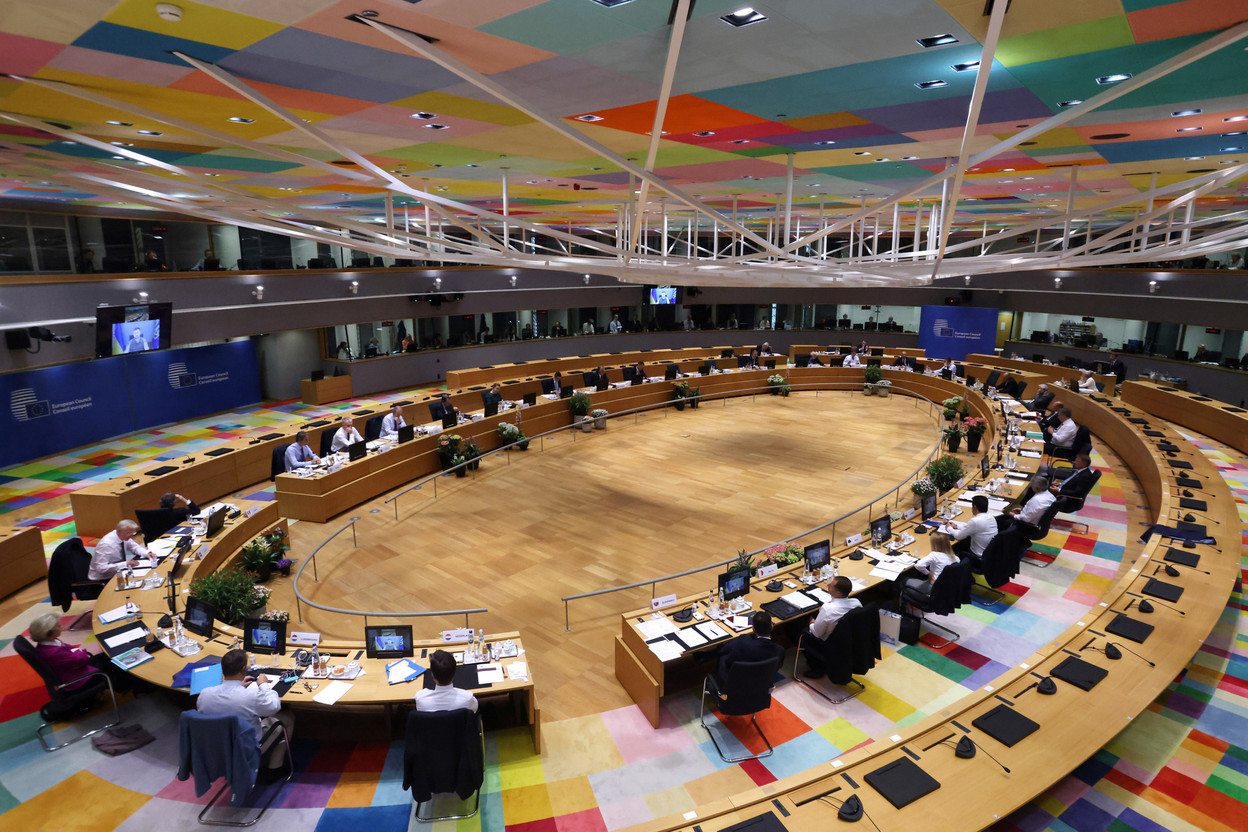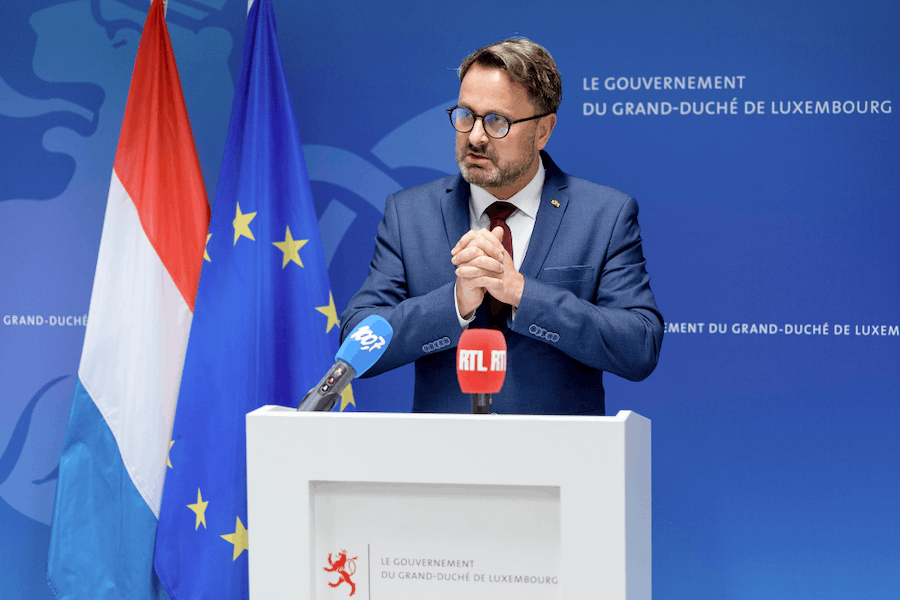
Bettel (DP) was at an extraordinary EU summit in Brussels on Monday and Tuesday, where leaders of EU member states discussed Russia’s attack on Ukraine as well as rising energy prices and other knock-on effects.
“We first have to diversify [our] energy sources, we can’t base ourselves on one source, and we have to also do this to push prices in the long term. And if a supply chain is abruptly cut off, to also have alternatives,” said Bettel (DP) during a press briefing on Tuesday.
The PM however warned that the inflation of prices won’t stop soon: “We can’t hide that--that now, in the short and medium-term--there is a risk that inflation can’t be slowed down. That’s a reality--there is no point in telling people that everything will go down by tomorrow.”
The prime minister also addressed worries of food insecurity, saying that it “isn’t the sanctions but the war” that is creating the problem. Ukraine is one of the biggest global exporters of wheat, but shipments are blocked and future harvests at risk, driving up prices of products in supermarkets in the EU.
Food insecurity in emerging countries risks leading to unrest, Bettel said. Food scarcity, for example, played a central role in the Arab Spring uprisings and could also fuel conflict between countries struggling for resources. “We have to see that we can help them with,” he said of countries, mostly in Africa, which heavily rely on wheat imports from Ukraine and Russia.
With member countries stepping up their defence efforts in response to the war in Ukraine, Bettel said systems must be interoperable between member states and the EU should work on preventing procurement of material that does not connect.