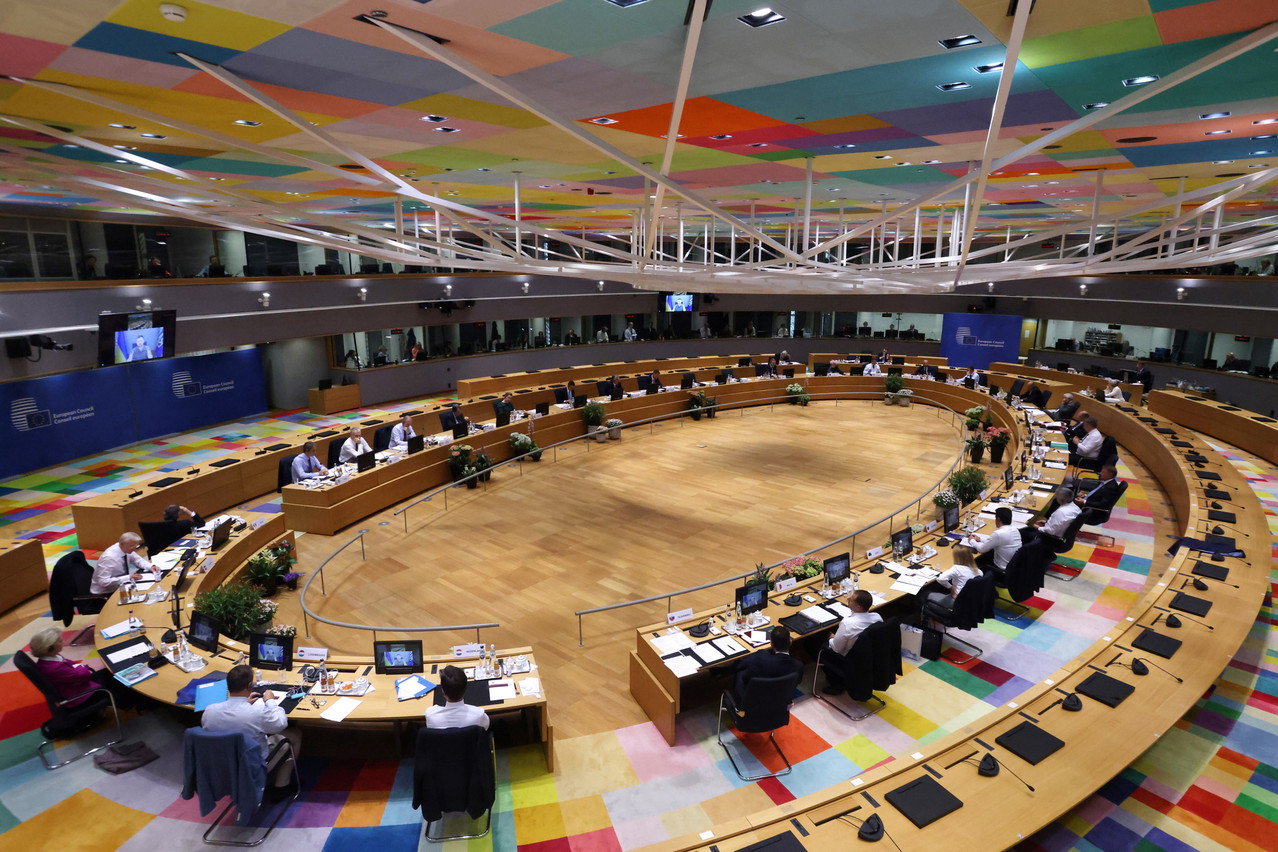
The decision comes after 26 days of discussions, stuck in a deadlock with Hungary insisting it needed more funds and more time to transition from its dependance on Russian oil. Bettel reacted to the agreement which came late on Monday night on 30 May by highlighting the importance of reaching a consensus that works for all member states.
“The aim was to have an agreement--we have it now. That is the most important thing,” said Bettel.
Comrpmise for the sake of agreeing
The agreement will allow Russian pipeline oil export to the EU to continue temporarily while seaborne shipments will blocked by the end of the year. The package of sanctions is expected to immediately impact 75% of Russian oil imports and by the end of the year, 90% of the Russian oil imported in Europe will be banned.
This compromise, however, includes a very important exemption allowing Russian oil to continue flowing to Hungary through the southern section of the Druzhba pipeline. The embargo is still likely to be up for discussion with European Commission president Ursula von der Leyen saying that the European Council will revisit the text as soon as possible.
Despite Hungarian prime minister Viktor Orban’s persistent blocking of the embargo, discussions on which started in April, Bettel did not seem to hold any grudge after the agreement reached.
"The point is that Hungary has time to initiate changes," said Bettel. "I understand that a prime minister insists on his country's security of supply.”
While the deal was still being discussed, however, Luxembourg’s position on Orban’s block was not necessarily positive. Foreign affairs minister Jean Asselborn (LSAP), in an interview with RTL insisted that the EU “must pay the price”, adding that “Hungary is seeking revenge” when it came to the Eastern European country’s insistence on keeping Russian oil flowing to Europe.
Sixth time’s the charm
The oil embargo represents the sixth package of sanctions aimed at punishing the Russian government for invading Ukraine. The EU leaders meeting halfway, and slightly closer to Hungary's vision, has allowed everyone to claim victory. Orban declared his country has been exempt from the rules in a Facebook post, while president of the European Council Charles Michel got to laud the success of the talks on Twitter, although the Council will be back on the negotiation table regarding the embargo. Despite representing a compromise which does not go far enough for some and is not providing enough securities for others, the deal is the EU’s most significant step in restricting revenue to Russian president Vladimir Putin while the war in Ukraine has been going on for now more than three months.
