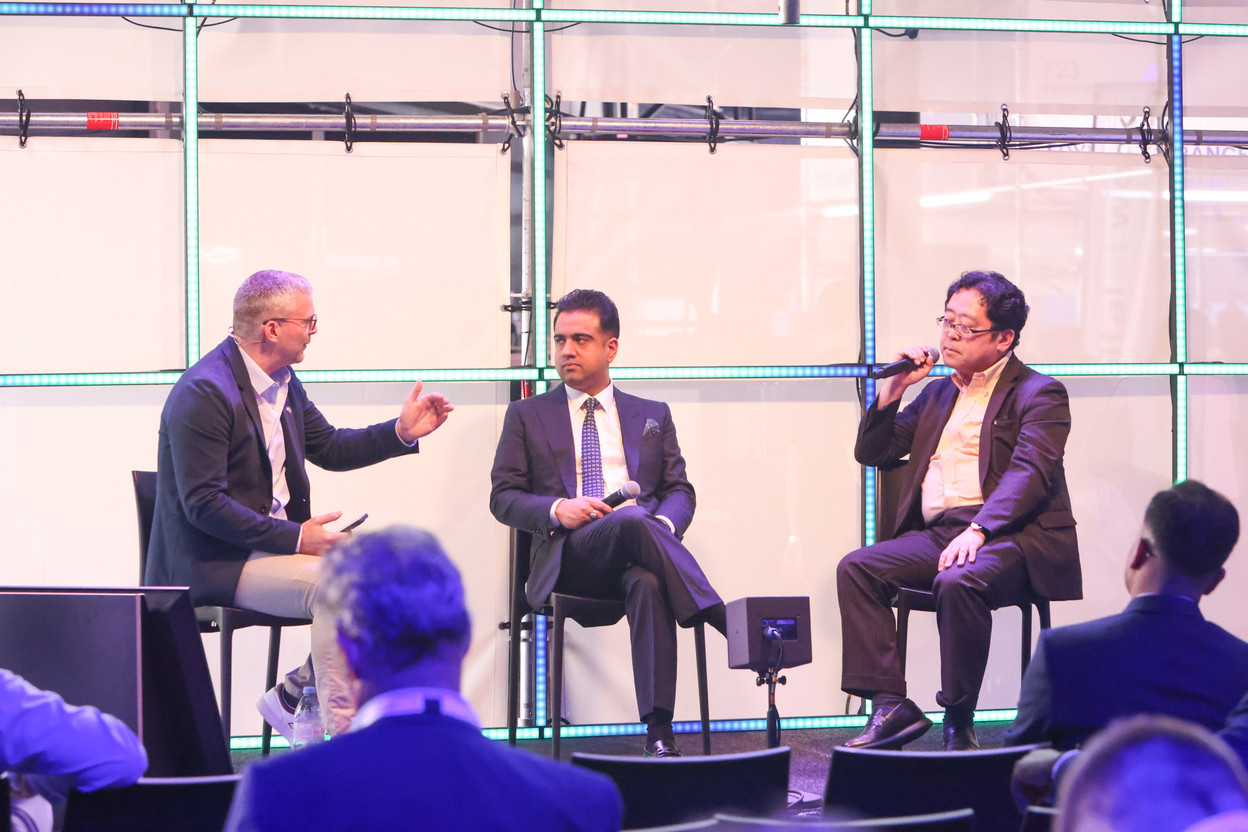
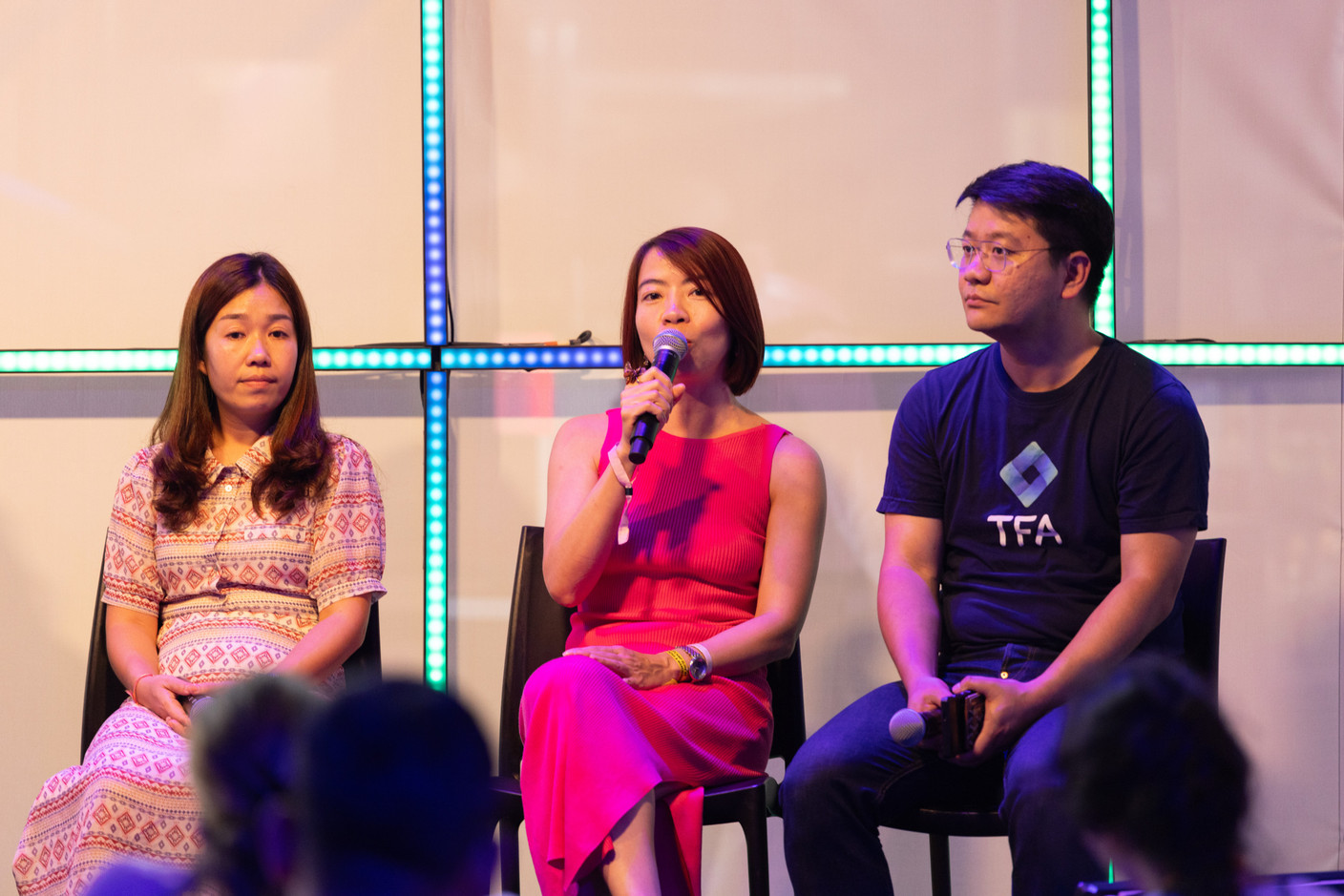
“We are all coming from Southeast Asia, the fastest-growing fintech and digital economy region in the world,” said moderator Amor Maclang from the Digital Philipinas and International Digital Economies Association, introducing her fellow panellists. Representatives from Malaysia, Indonesia, Cambodia, Laos, Vietnam and Thailand shared insights about the fintech scenes in their countries during a discussion at the Nexus2050 tech conference at Luxexpo on 27 June 2024.
Chonladet Khemarattana from the Thai Fintech Association noted that the Bank of Thailand has opened up applications for virtual banking licences in a bid to provide banking services to those who are underserved. In addition, the Bank of Thailand carried out a public consultation on open banking and open data in December 2023 and is working on draft policy on the topic. In this way, he said, we “can serve the underserved much better.”
Malaysia has two regulators and a very developed financial ecosystem, explained Farah Jafaar from the Malaysia Fintech Association. The country’s Securities Commission regulates digital assets, she added, and Malaysia is the only jurisdiction in Asia with digital asset custody and is a “leader” in blockchain. Besides blockchain and tokenisation, Islamic finance is another domain where the country has expertise.
Cambodia has the KHQR, said Weena Llona from the Cambodian Association of Finance and Technology. This QR code is part of a blockchain-based system that can be used for retail payments and transfers across banks, financial institutions and payment service providers. It’s one of the initiatives of the National Bank of Cambodia in working towards financial inclusion and serves as a sort of “small banking system.” In addition, the country’s GDP comes primarily from agriculture, and fintech can be used in this domain to help the country become fully digitised, she added. An example project is farmers using blockchain to sell their rice and verify contracts and payments.



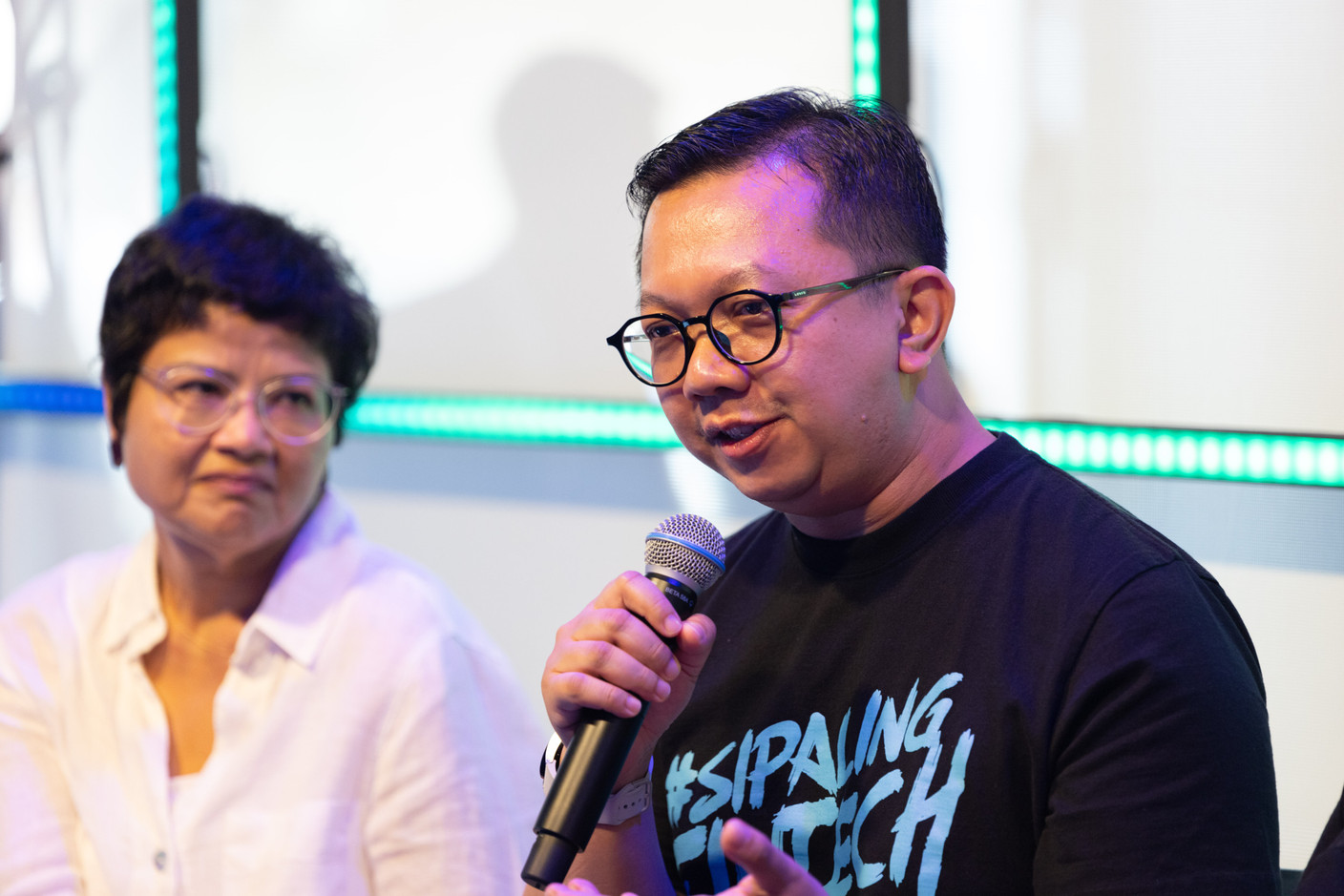





We always want to be “at the front” when it comes to opportunities, said Nicole Nguyen from the Vietnam Fintech Festival, and one such case is Axie Infinity, a blockchain game with an in-game economy that involves ethereum-based crypto-currencies and collecting non-fungible tokens (NFTs). But we also see opportunities in incentivising people to share data via various APIs, she added, and the blue economy is also of interest.
In Indonesia, fintech has helped boost e-commerce and small and medium-sized enterprises to sell products and process payments, said Aries Setiadi from the Indonesian Fintech Association. There’s a “holistic view of the digital economy,” he said. Collaboration and innovation are key.
Finally, Savana Phothilath from the Lao Microfinance Association, highlighted the importance of fintech in boosting financial inclusion, a theme that was echoed by many of the panellists and is one of the priorities as the country holds the 2024 Asean chairmanship.
“Forty percent of global GDP in six years’ time will be from the Indo-Pacific region,” concluded Maclang. “If you want to expand, if you want to grow and you want to take root in this growing global digital economy,” then Southeast Asia is a good “gateway” for doing so.