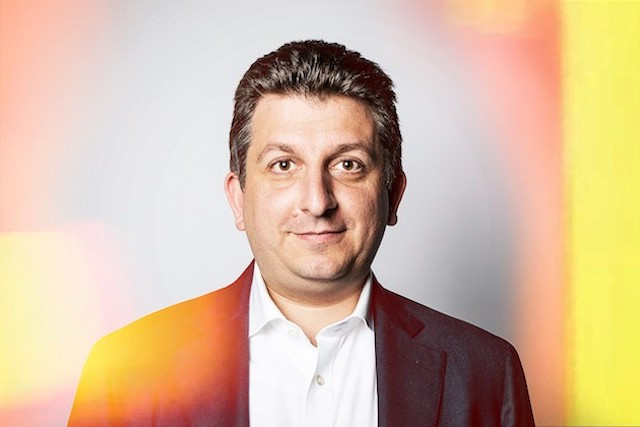
Pascal Martino, Deloitte Luxembourg partner, banking and human capital, argues that business leaders should be taking a close look at “the digital package and usage of digital assets. I believe the current financial place is a bit underestimating this because of other priorities.”
And it's something the sector needs to tackle soon, he argues. “We cannot be a smart follower, but we need to be a smart leader on that, which is maybe a big shift for us.”
“A big challenge for Luxembourg “
In its “Global Tech Trends 2021” report published earlier this quarter, Deloitte identified nine trends it expects will impact businesses over the next 18-24 months, showcasing not just how tech has enabled the transformation required as a result of the health crisis--even proving to be a true source of competitive advantage for some organisations--but also how data can be optimised, and tech expanded for future gains.
The report touches on tools for equity and inclusion, a zero-trust cybersecurity approach, automation and AI, to name a few.
Taking AI, for instance: Martino says it should play a larger role moving forward, although it “will be a big challenge for Luxembourg, as it requires a lot of data points.”
The range of applications is broad, of course. “Asset servicing has a lot of data in Luxembourg so it can use a lot of AI tools,” Martino says, whereas it’s more challenge in areas like private banking, “where you have very wealthy clients, but less volumes, and where the use of AI gets more difficult just because you don’t have the sufficient side of data.”
Digital workplace reboot
But there’s also the human side, and Martino says the “equation” of tech usage versus human interaction is not an easy one to solve, and of course there’s no one-size-fits-all model. In fact, some of the report’s trends question what will happen once the dust has settled: how to reboot the digital workplace? And what will the new physical-versus-digital mix look like, given that needs have changed and there's even more demand for tailor-made solutions?
For its part, Martino says that Deloitte Luxembourg is still considering how this mix will look in the future, but that team members may be asked to connect weekly, even if not for a specific task, but even if just for a virtual coffee. He added, “We had started our virtual wellbeing sessions, where we have now close to 200 sessions per year”, ranging from sports, yoga and more, although he admits it doesn’t replace the physical interactions, or fully transmit the workplace culture to those who have newly joined.
Martino's colleague Sébastien Genco, director of technology strategy and transformation, believes the return to the workplace will be "phygital", a mix of digital and physical, but depending on needs. "Some of the interactions we have in the real world, we will never be able to replace [like] when we need to meet for strong interaction, collaborate on some specific topic [or] have a deep brainstorming session," he says, something that he belives can't ever be fully replaced with VR or AR.