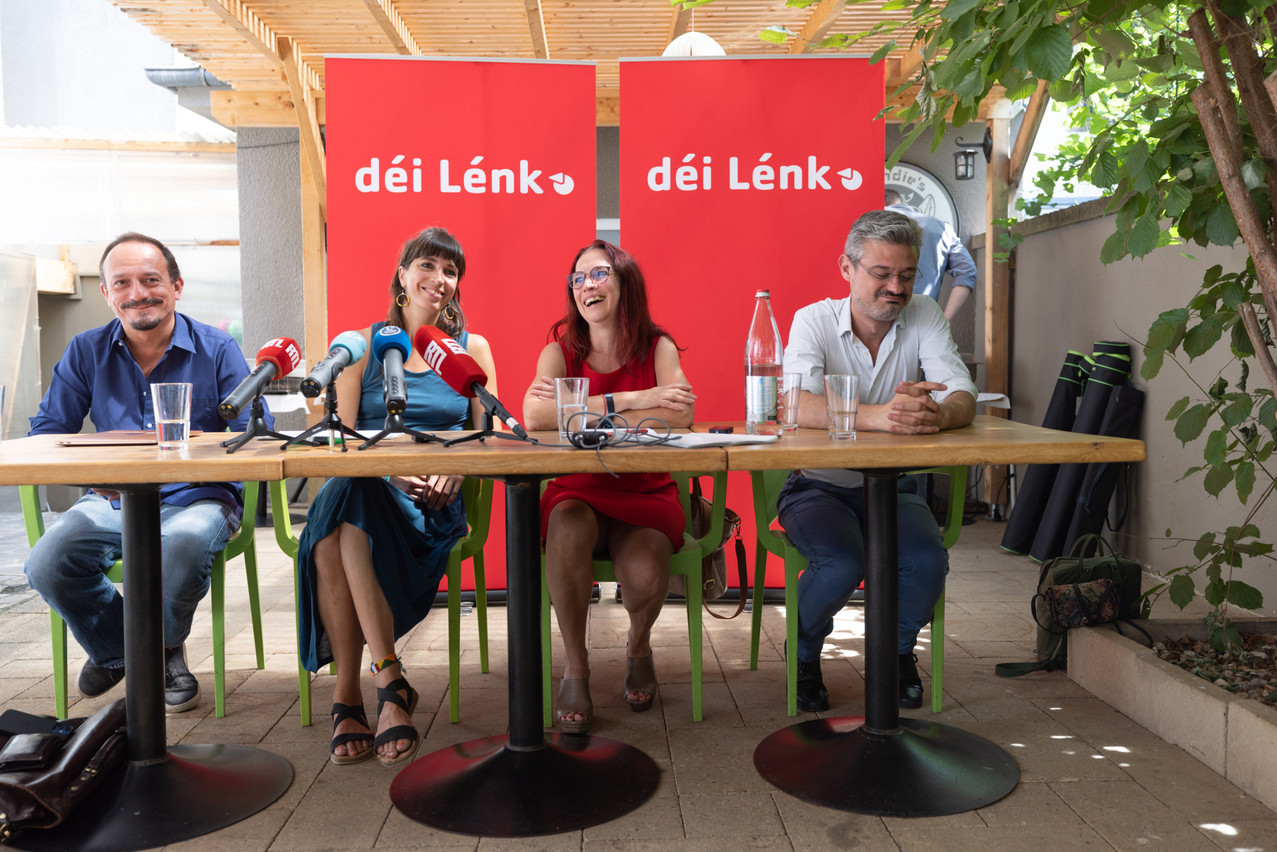
Health and housing crises, inflation, material shortages, climate change... “This government is simply not up to the job,” argued MP 
The state is increasing its revenues due to inflation. Who pays for the crisis? The taxpayers.

The DP, the party of prime minister 


Dei Lénk ranted against banks, fund managers and companies that make huge profits without being made to contribute to the collective good. “They are making profits, the state is increasing its revenues due to inflation. Who pays for the crisis? The taxpayers,” Ceccheti continued.
Taxpayers are in difficulty in Luxembourg, where the at-risk-of-poverty rate for workers is 17%--the second highest in Europe. “We should be ashamed of this,” Ceccheti said.
MPs, ministers, are privileged people who do not feel the housing crisis in the same way.

For her part, Oberweis said she does not expect much from this government, and certainly not from the property tax reform announced for the autumn. The housing crisis would even, according to her, be little taken into account by the political sphere. This seems paradoxically logical in her eyes. “I say it: we, MPs, ministers, are privileged people who do not feel the housing crisis in the same way. If it gripped the members of the coalition parties, things would move. It doesn’t.”
Déi Lénk would like to strike faster and harder in this area. By making the right to housing a fundamental right, enshrined in the constitution. By putting in place the necessary constraints to reach the 10% of affordable housing. By increasing the minimum social wage. By progressively affecting multiple owners in a fiscal way. By inventing the notion of “social collective property”.
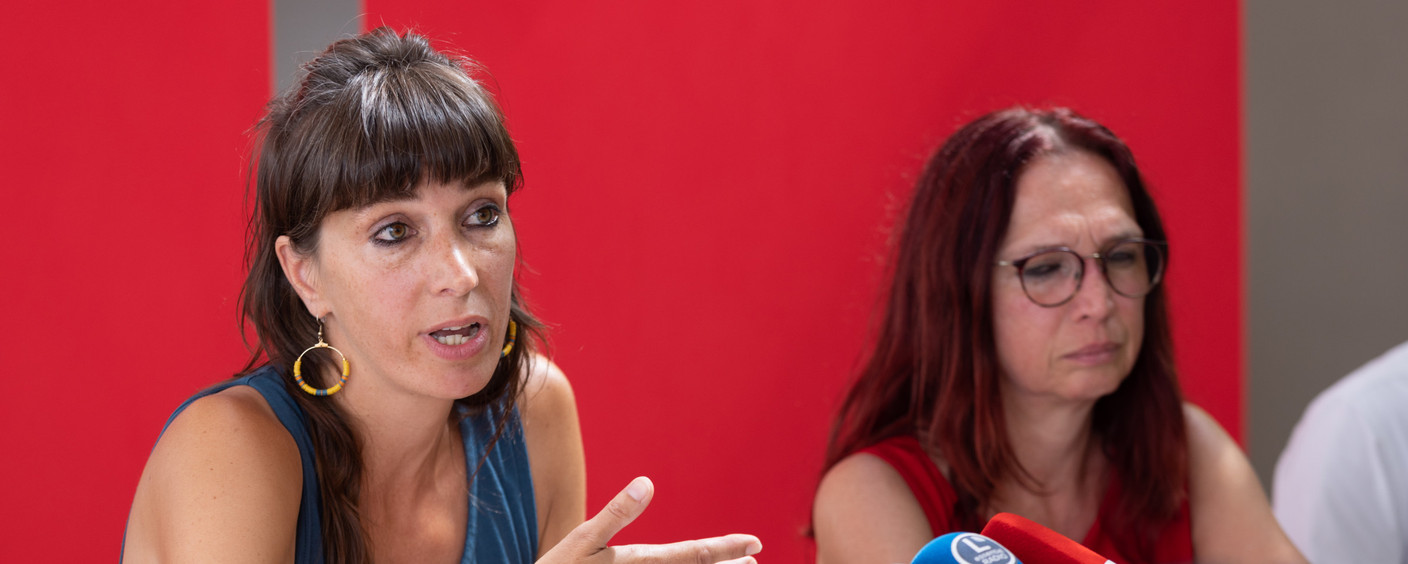
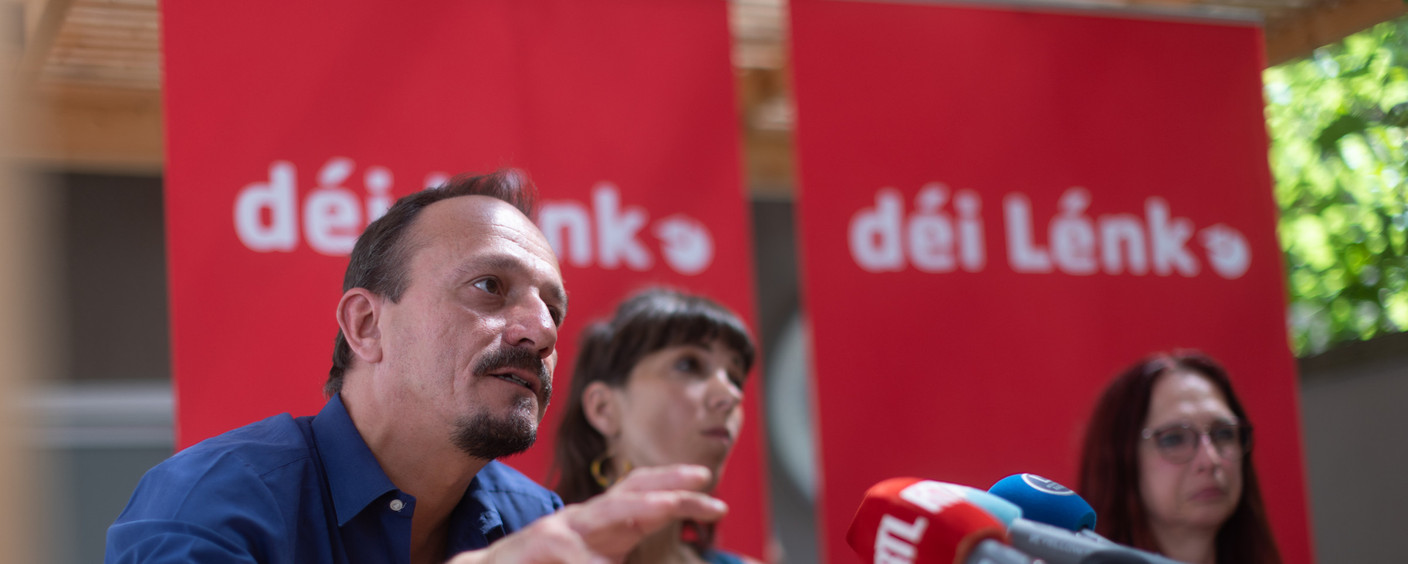
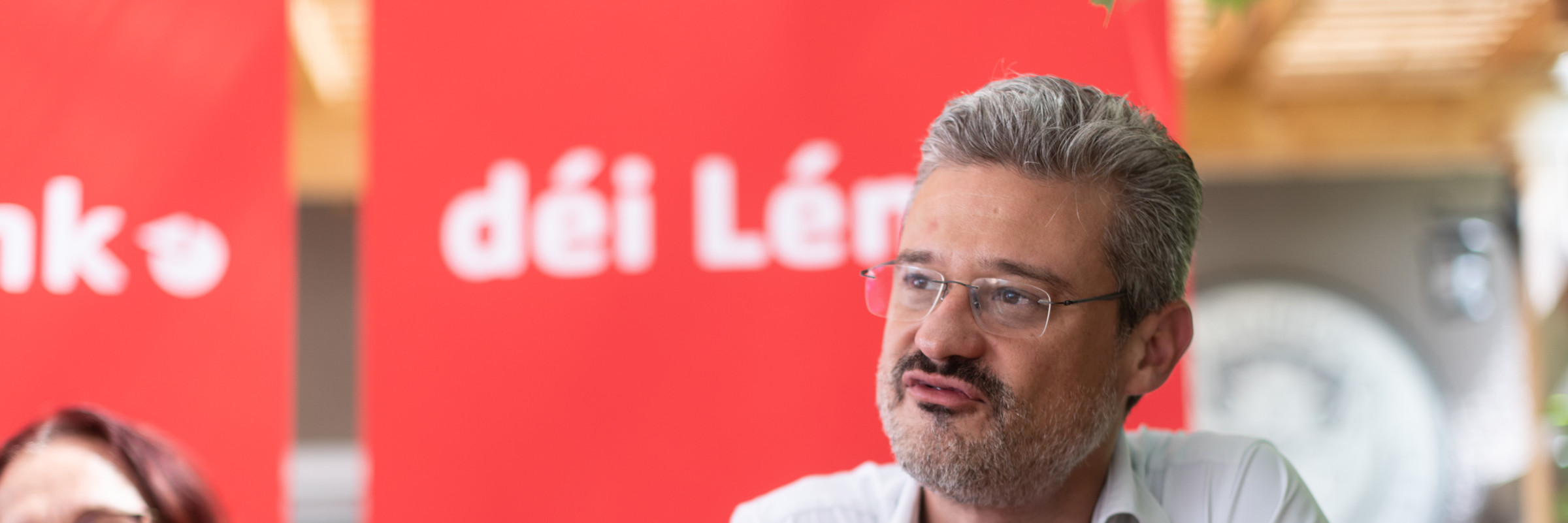

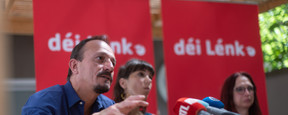

These themes will obviously be developed during next year’s election campaign. Déi Lénk hopes this time to get five elected members and to form a fraction, with a change of people in mid-term.
The urgencies in Luxembourg society make the party believe that this is possible, much more than the polls. As former MP 
This story was first published in French on Paperjam. It has been translated and edited for Delano.