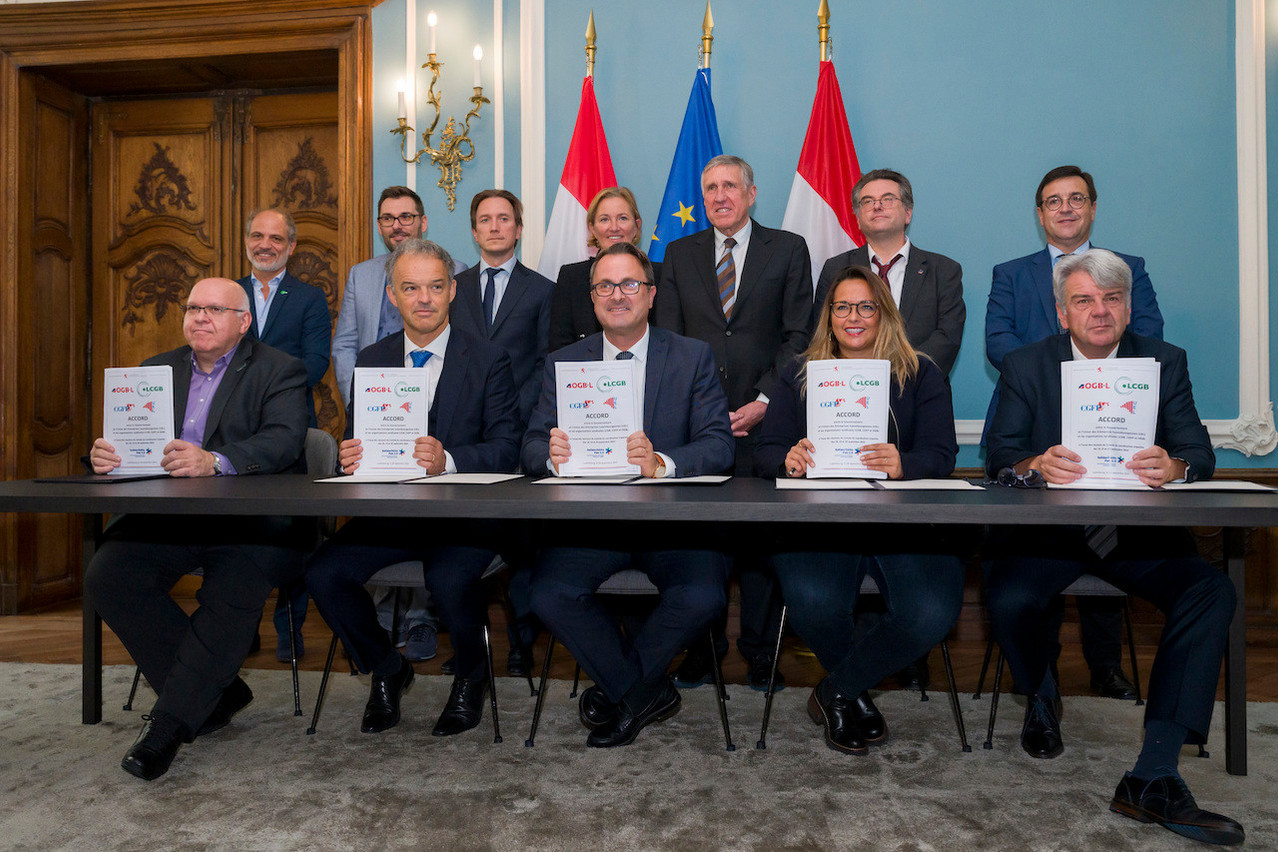
The tripartite deal signed on Wednesday sweeps away the terms of the previous agreement, reached in March, that resulted in delays to the automatic indexation of salaries if more than one occurred in a calendar year.
Details of the final text reveal that the agreement will cost the state a hefty, but manageable €1.1bn. That is higher, as a share of GDP, than many similar packages taken in other countries, Bettel told parliament on Wednesday afternoon. “But it is a sum that we can afford thanks to our stable financial situation.”
One of the main points of the agreement is the reintroduction of the indexation mechanism. Bettel explained that the automatic salary increases, which kick in when inflation reaches 2.5%, will be paid out according to the law.
But that comes with caveats. The new deal states that if a third indexation is due this year, the tripartite will be convened again. And, crucially, the state will pay companies compensation to cover the full impact of the 2.5% increase in salaries. The budget draft bill, which will be presented to parliament on 12 October, will include calculations to this effect.
The agreement will see the price of gas capped at 15% above the current rate while electricity prices will be frozen completely.
In addition, the cost of heating oil will be reduced by 15 cents per litre and the government will also introduce a temporary reduction of VAT that will see the standard rate cut from 17% to 16%, the intermediate rate from 14% to 13% and the reduced rate from 8% to 7%.
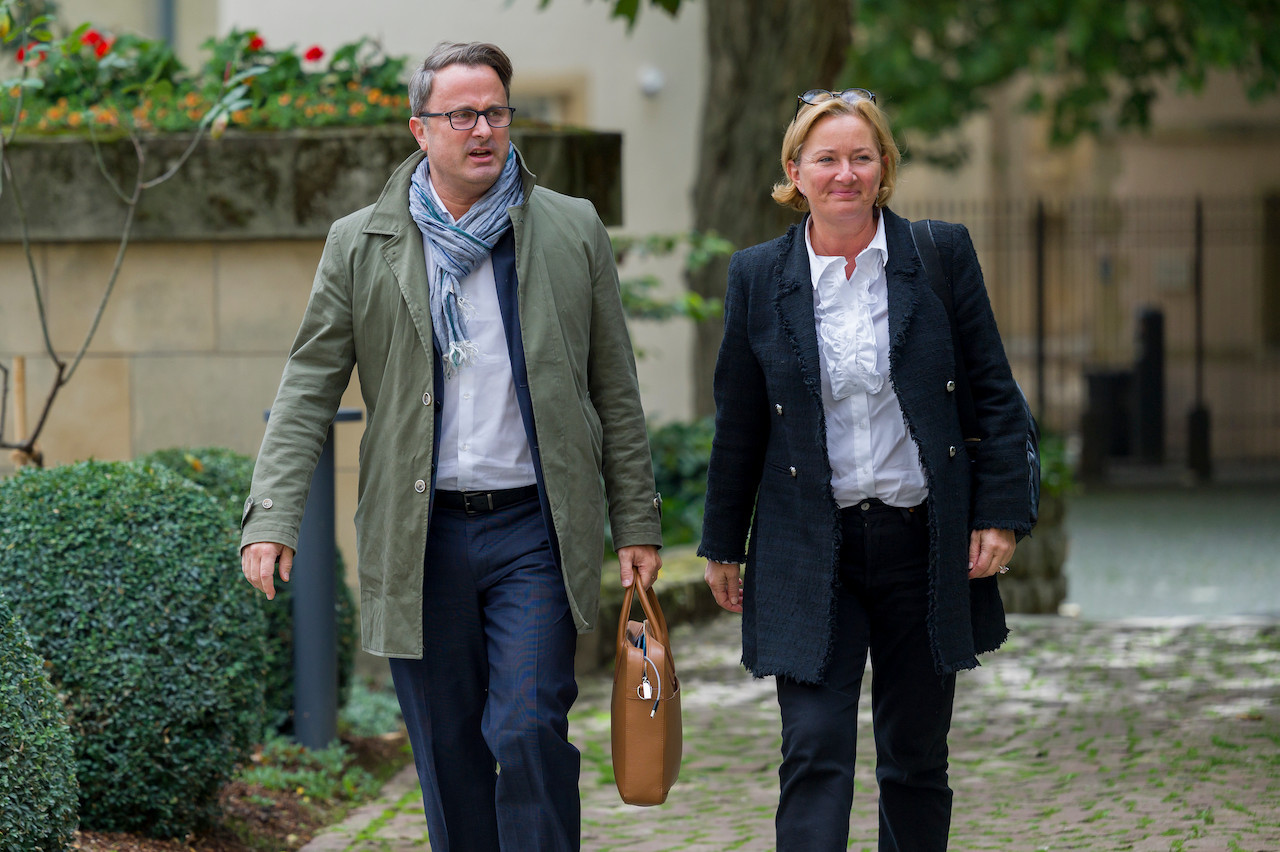
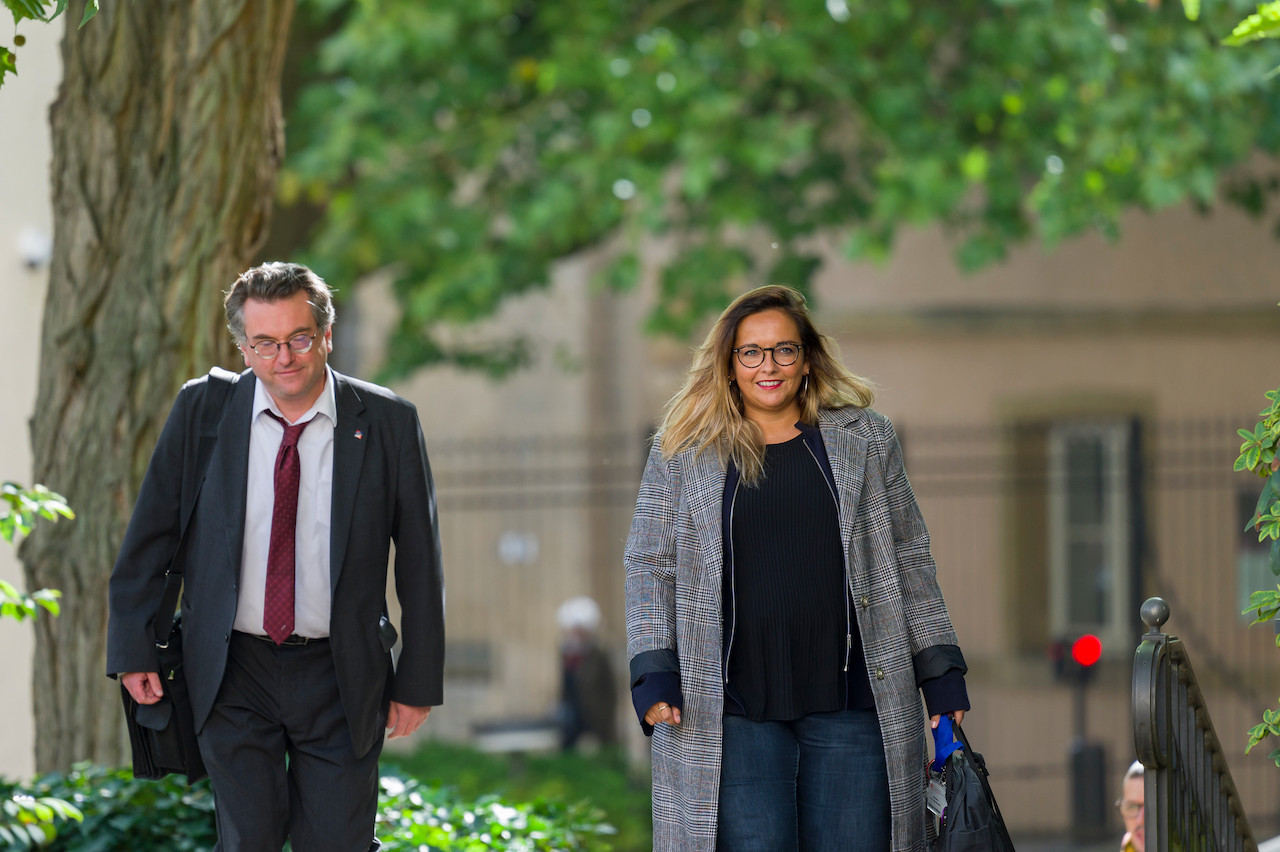
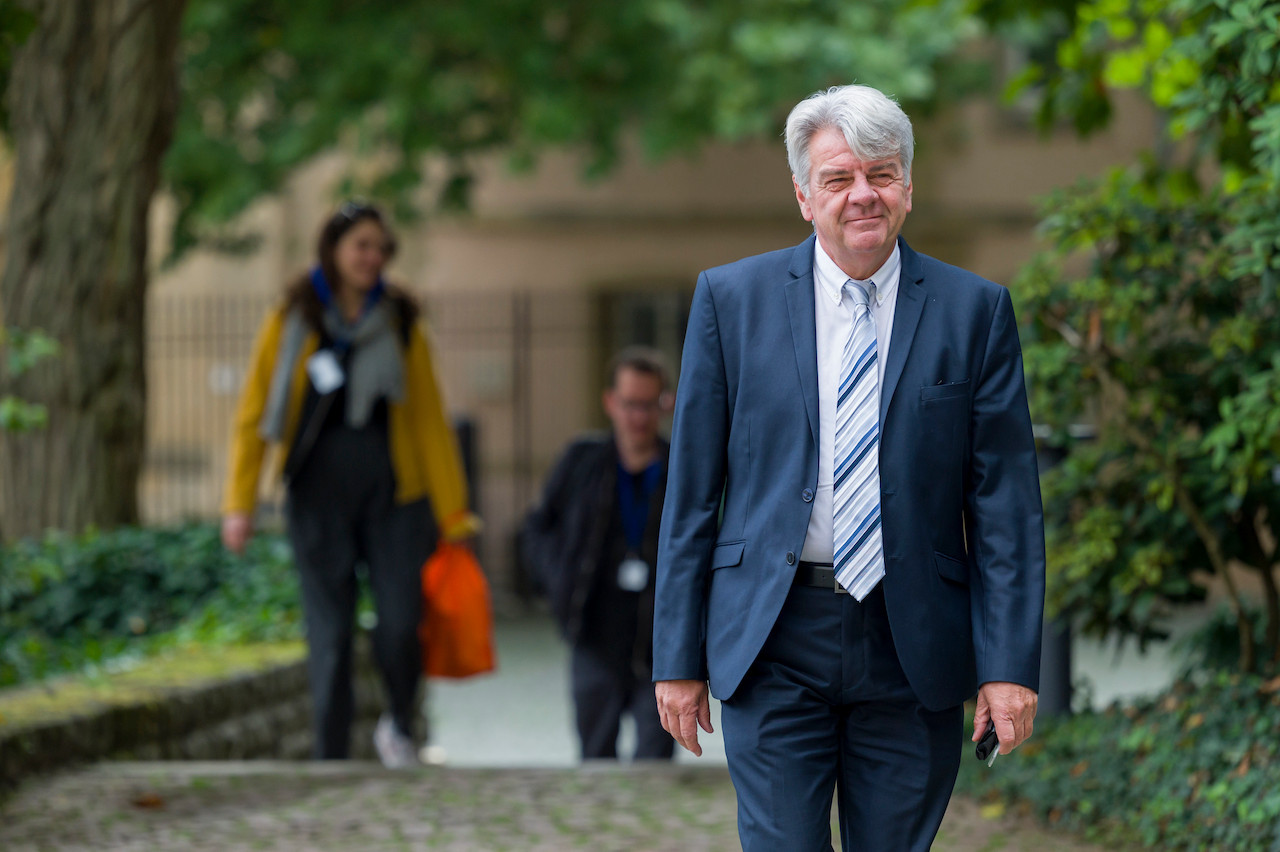
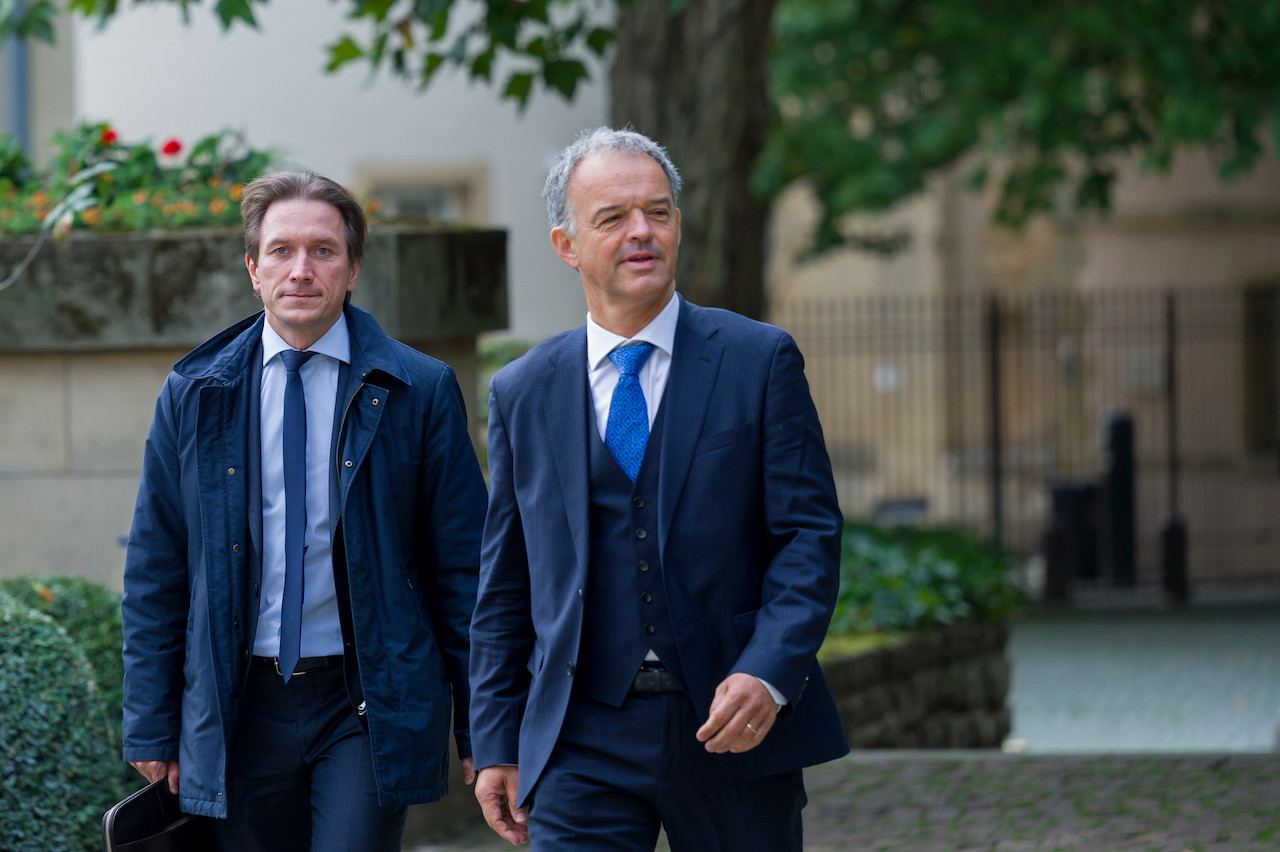

The prime minister’s address to parliament on Wednesday afternoon required an unusually early opening for the Chamber of Deputies, which traditionally reconvenes after the summer on the second Tuesday in October. But the urgency of the tripartite deal pushed forward the official opening, overseen by speaker Fernand Etgen, by close to two weeks. Bettel even thanked the MPs for clearing their agendas to attend the sitting.
“Almost half a year ago I stood here to present a successful tripartite, worth half a million euros,” the prime minister said. “We were aware then that the situation could worsen, but we explicitly said in that agreement that we would make arrangements to meet again if necessary.”
We are best when we are united.

Indeed, holding two tripartite meetings in a year is highly unusual. But the fact that all three sides managed to find agreement again shows that the Luxembourg model of social dialogue works, Bettel said. “We are best when we are united.”
Stifling inflation was paramount
The negotiations were not easy, however, Bettel admitted. But compromise was required to help households and businesses as soon as possible, and the final agreement will provide some certainty in balancing budgets. The prime minister conceded that the package was not as selective as some critics would like. “We had to tackle the problem at its roots. All scenarios were examined, but the final agreement will have the biggest impact on keeping inflation in check,” Bettel claimed. In any case, some selective measures to help low-income households were included in the final text.
Announcing that the price freeze will take effect in October, and that any increase already paid in advance on bills for next month will be reimbursed, Bettel reiterated a slogan he had used before the tripartite negotiations began. “Heating cannot be luxury.”
The package also includes a series of aids for households and businesses looking to install alternative energy sources. “We won’t take our eyes off energy transition,” Bettel said.