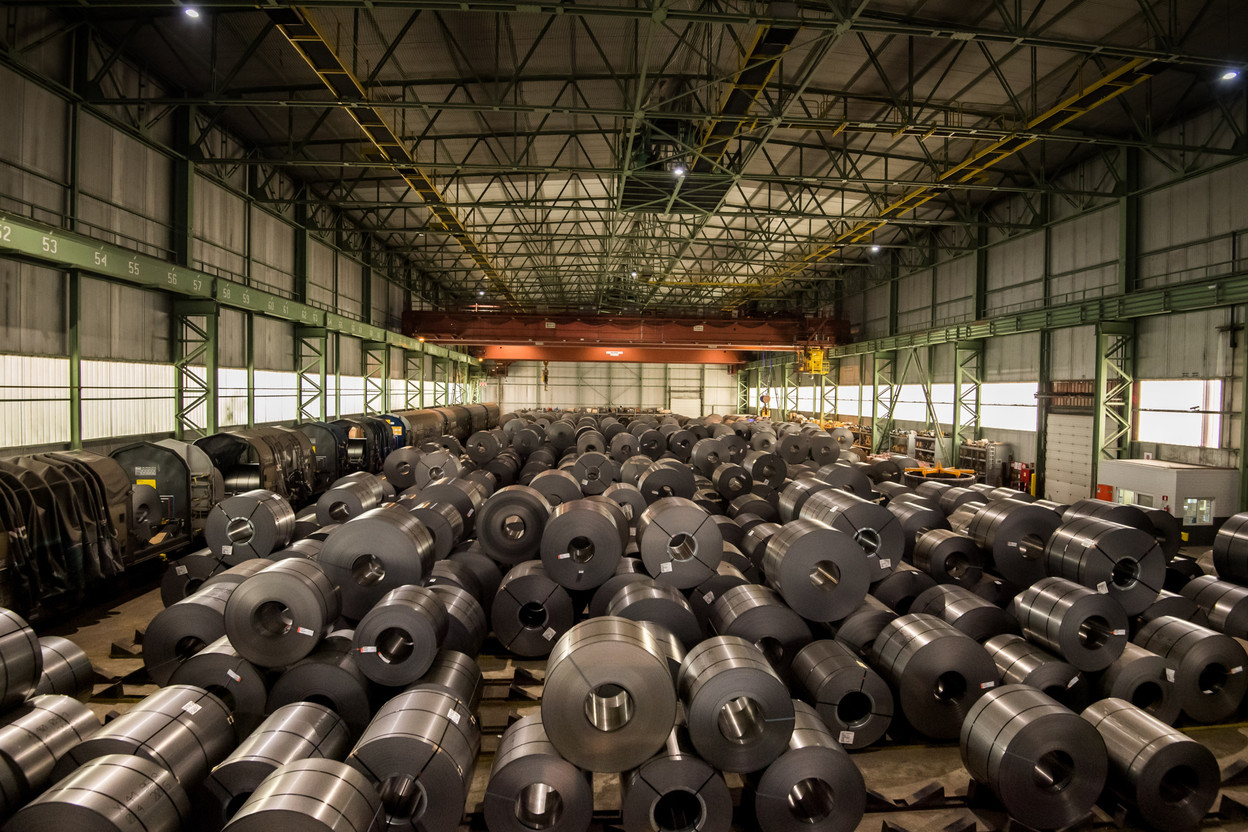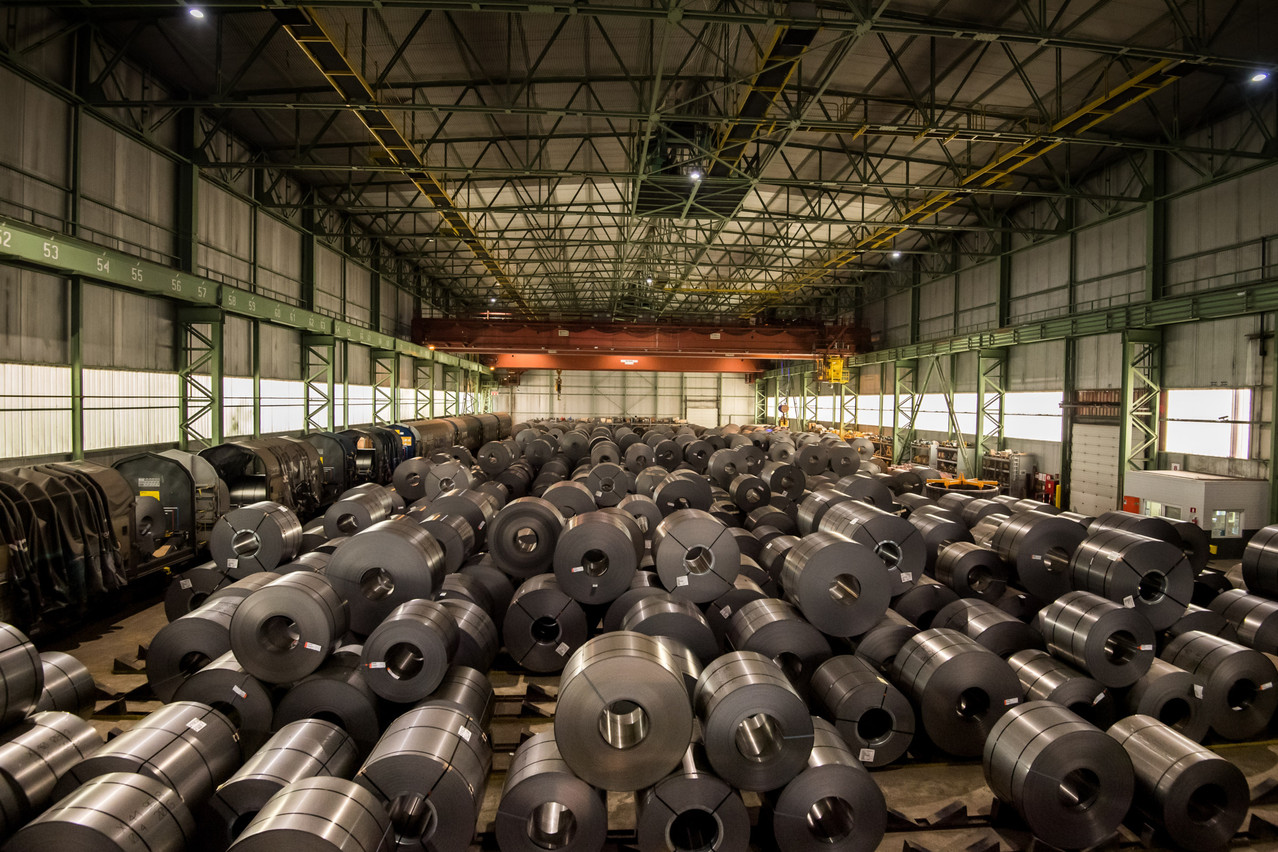
The future of the Liberty Steel Group’s production site was on the agenda of the parliamentary committee on the economy. This was an opportunity for Fayot (LSAP) to give an update on the increasingly complicated situation of the steel company.
The latest events to befall Liberty Steel in Liège are of great concern to the economy minister, since the Tilleur and Flémalle plants (near Liège) are essential to the smooth running of the Liberty Steel plant in Dudelange. He reported on elements endangering the willingness, or even the financial capacity, of Liberty Steel to honour the commitments made last November to turn around the group on the banks of the Meuse, and above all to avoid liquidation.
“More and more uncertainties are appearing. In consultation with all parties concerned, we are continuing to address the challenges arising from this complex situation. Together with our various interlocutors, we are evaluating on a case-by-case basis the modalities to be implemented in order to maintain steel activities in Dudelange,” the minister said.
“The noose is tightening on Liberty Steel and the first quarter of the year will prove decisive,” said the trade union.
The latest manoeuvre of the steel company in Liège has left observers, trade unions and political actors perplexed. As a reminder, last November Liberty Steel presented a financial and industrial recovery plan aimed at restarting activity at its two sites in Liège while setting up a schedule for repaying its debts. But at the end of last year, the steelmaker missed its first payment--of around €3.5m--after its Romanian subsidiary, which had undertaken to provide fresh money, defaulted.
This episode called into question the recovery plan approved by the Belgian courts. A few days later, however, the steel group did a U-turn, assuring that it would be able to meet the next deadlines and relaunch activity on the banks of the Meuse, after having found about €10m.
Belgian unions remain wary
But for the Belgian unions, the manoeuvre creates a breach of confidence. “This money will be enough to pay January salaries and ensure the purchase of raw materials for one week’s production, no more,” explained Jordan Atanasov, regional secretary of CSC Metea, at the beginning of the year.
Alongside the recovery plan, Liberty Steel also presented a social plan to reduce its workforce in Belgium by 90 people. The estimated cost of the operation is €13n. To this must be added the cost of the recovery plan to pay off the steelmaker’s creditors at its two sites in Liège, estimated at €73 million over four years. “We are therefore talking about €86m to be found over four years just for the social plan and the repayment of creditors,” Atanasov said, explaining that the money would still have to be found to relaunch activity and keep the tools up to standard. For the moment, 690 workers are employed on the two Liège sites.
“There is also a monitoring committee set up by the courts. If this committee considers that Liberty Steel has not respected its commitments, there is a real risk for the maintenance of the activity in Belgium and therefore the viability of the Dudelange site in Luxembourg,” says Robert Fornieri, deputy secretary general of the LCGB.
This article was originally published on Paperjam. It has been translated and edited for Delano.