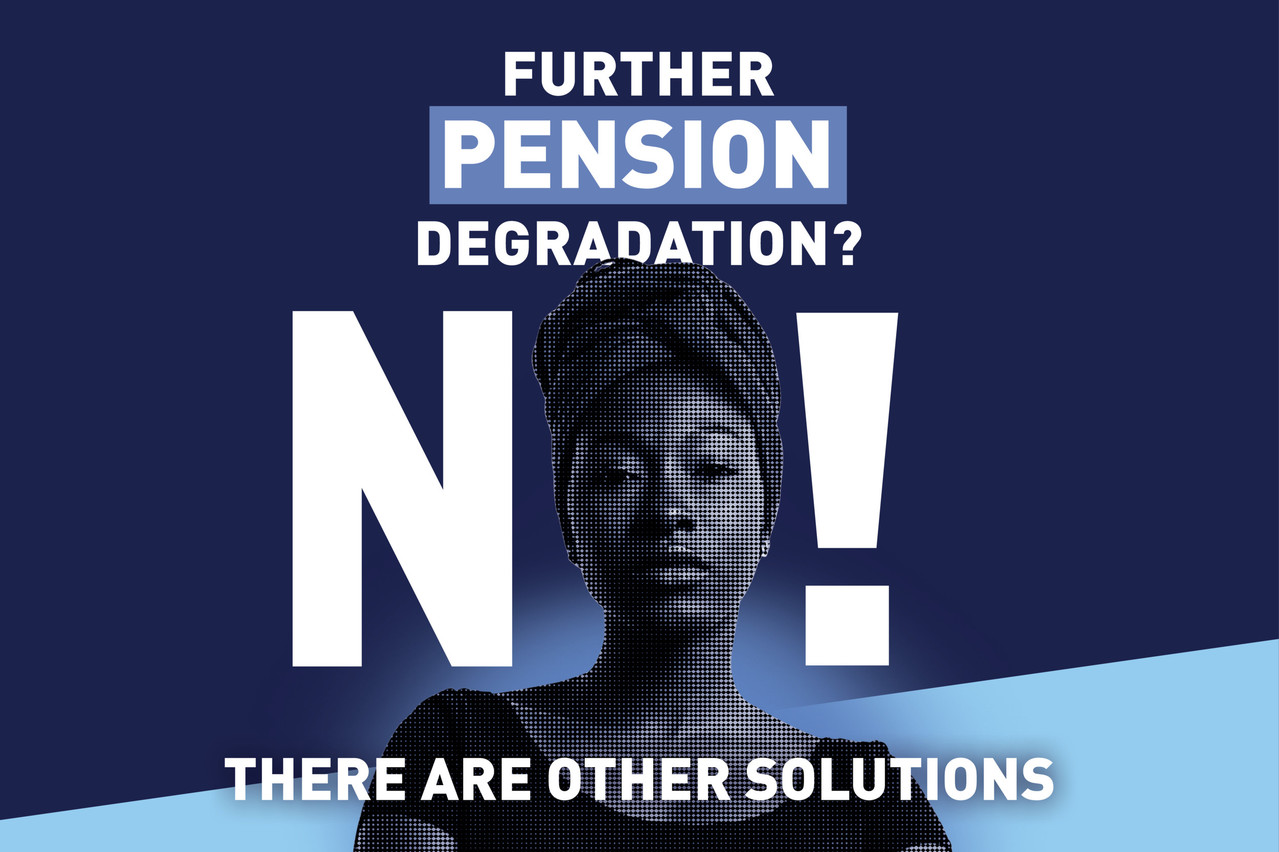
The Prime Minister recently outlined the key elements of a pension system reform. While his speech refers to financial sustainability and intergenerational fairness, the proposed measures reflect a direction that risks deepening social inequalities and weakening the solidarity at the heart of the current system.
Among these measures, the extension of the contribution period is presented as inevitable. Yet this strategy, though seemingly pragmatic, is a deceptive solution. It would have only a limited fiscal impact while significantly increasing disparities among insured individuals. Requiring longer careers for everyone – regardless of vastly different professional paths – means heavily penalizing those who started working early, often in physically demanding jobs. For them, working longer would come at the cost of hard-earned retirement years.
The government also aims to promote complementary private pension schemes (second and third pillars). Here again, these proposals overlook the need for fair and balanced financing. Shifting more responsibility onto individuals weakens the public pillar – the most effective and equitable component of the system. This ideological shift challenges a core principle: that retirement should be a collective right, funded by all.
The Luxembourg public pension system is not in crisis. It still holds reserves exceeding 30 billion euros, and future spending increases are largely due to demographic ageing – not to an uncontrollable surge in pension costs. In fact, Luxembourg remains one of the European countries where pension spending growth – relative to GDP and the number of retirees – is among the most restrained. Nevertheless, some actors appear eager to exploit the forecasted deficit to push through an unjust reform.
The real issue is not how to contain spending at all costs, but how to adapt the system’s financing. A modest and targeted increase in revenues – through adjusted social contributions or a broader contribution base – would help share the effort more fairly across society. This would be a just solution, especially in a country where employers enjoy historically low social charges and generous tax conditions.
Pensions are, above all, a political matter. Should we protect a public and solidarity-based system, or pave the way for a growing privatization of social rights? The government seems to have made its choice – at the expense of social equity. But alternatives exist. There is still time to pursue them.
More information on csl.lu.