CBRE surveyed 94 corporate property decision-makers from organisations with office space across Europe, 40% of whom work for groups with more than 10,000 employees. Their responses paint a picture of a decidedly more selective market: companies are seeking spaces that are conducive to collaboration, flexible and more energy-efficient.
However, these European figures alone do not indicate how many offices meeting these criteria are available in Luxembourg. On this point, CBRE relies on the observations of its local teams.
Companies are not necessarily looking to reduce the size of their premises; they want […] offices that are ideally located, sustainable and of a high standard.

According to Clémence Lett, director Occupier leasing at CBRE Luxembourg, “supply is tightening in the most sought-after areas, notably the city centre, the Gare, the Cloche d’Or and the Kirchberg, and the challenge is particularly acute for companies looking to move in quickly. Companies are not necessarily looking to reduce their floor space; above all, they want offices that are ideally located, sustainable, of high quality and offering genuine flexibility of use,” she explains.
A rarity which, according to CBRE, could help to sustain rents in the best properties.
An office you’ll want to come to
Why do employees still go into the office? In the European survey, 85% of respondents cited collaboration with colleagues, 81% a productive workspace and 77% interactions with management. Ease of access was also among the key factors, at 69%.
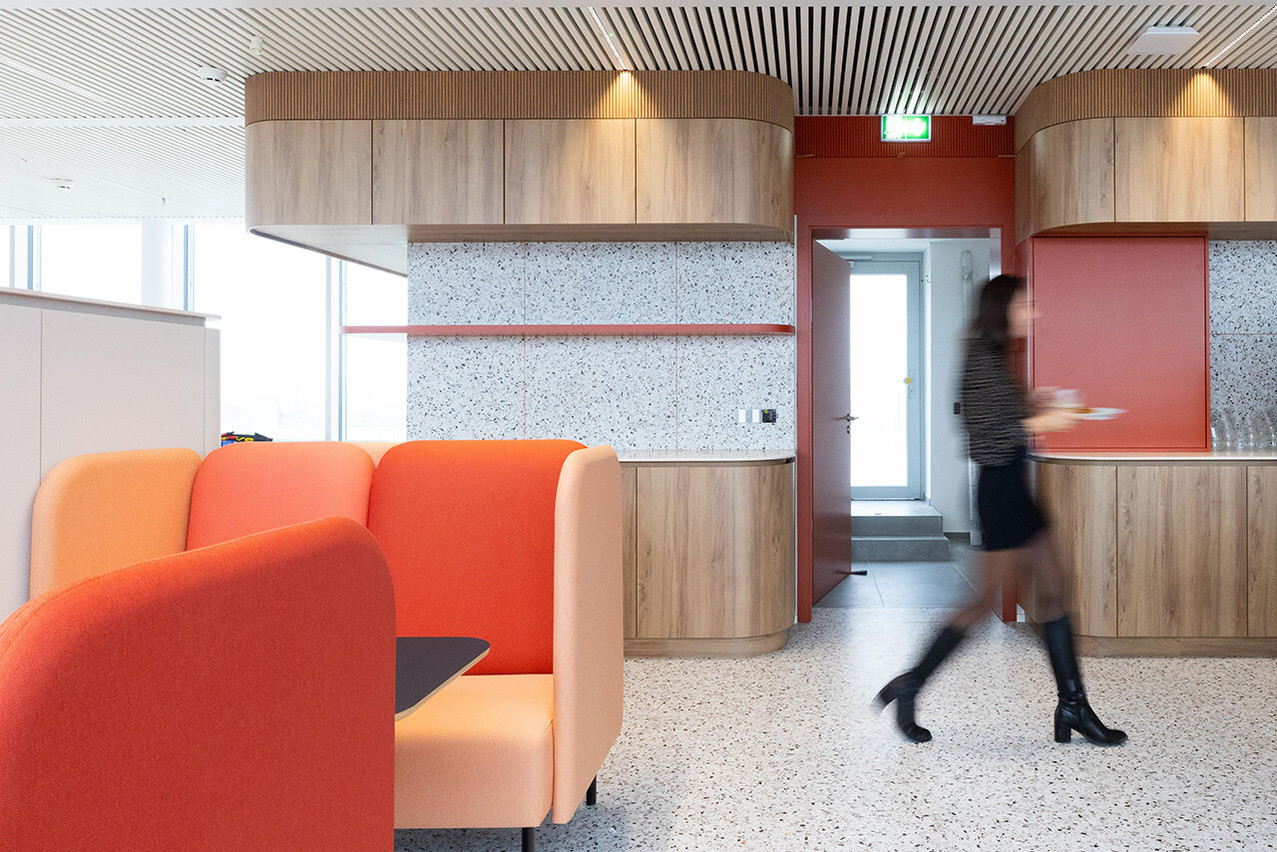
These expectations influence the design of the premises. “We no longer look for offices based solely on square metres per person; we are rethinking the layout to prioritise spaces for interaction and collaboration that combine new technologies with flexibility,” emphasises 
However, property strategies vary. Growing companies prioritise collaboration and the employee experience. Those reducing their footprint are primarily seeking to make better use of their space and keep costs under control.
In the survey, 65% of respondents plan to relocate part of their property portfolio over the next three years.
AI and carbon are reshuffling the deck
Artificial intelligence (AI) could also change office space requirements: 61% of occupants surveyed believe it will have an impact on their property needs within the next two years. More than half anticipate a reduction in their space and staffing requirements, although CBRE believes this effect may be overestimated.
Environmental performance is also becoming a topic for negotiation. In the survey, 45% of companies are aiming for carbon neutrality by 2030. In Luxembourg, Dylan Feber says he is seeing more tenants asking their landlords to invest in improving the building’s energy performance, particularly when renewing their tenancy agreements.
Rising demands, tight budgets
Companies want better-equipped buildings, but not all are prepared to fund their own refurbishment. Nearly 80% of occupiers surveyed prefer to remain in their current premises; only a third plan to invest significantly in their refurbishment. At a European level, CBRE estimates that the proportion of office buildings less than five years old could fall from 9% today to 6.8% by 2028.
Start thinking about your property arrangements at least 18 months before your tenancy agreement expires.

For Luxembourg-based companies looking to relocate, CBRE’s advice is to plan ahead. Dylan Feber recommends: “Start thinking about your property arrangements at least 18 months before your lease expires. This gives you time to compare properties, negotiate any necessary refurbishment work and, above all, avoid being limited solely to properties that are immediately available.”