With the news cycle monopolised by Vladimir Putin's desire to gobble up Ukraine , relatively few news outlets have mentioned a turning point in 50 years of research: the complete mapping of the 12,590 cells of the intestinal epithelium by researchers at the University of North Carolina associated with the Magness laboratory, an in-house spin-off named after its manager.
Using 4.5 to 9 metre pieces of intestine from three deceased donors, the researchers isolated the RNA from each cell until they knew how many genes and in what quantity were in each cell. Ending up with 11,000 individual samples per cell and several thousand cells, made up of 20,000 active and inactive genes. That is 144 million data points for the 12,590 cells studied.
These calculations were made possible by RNA sequencing technology acquired several years ago for the creation of the Advanced Analytics Core Facility through the UNC Centre for Gastrointestinal Disease and Biology. The researchers used algorithms that allow them to filter the data to retain the relevant ones.
Rebalancing the diet individually
For those who wonder what predictive medicine and the technology that goes with it can be used for, this publication is the best example.
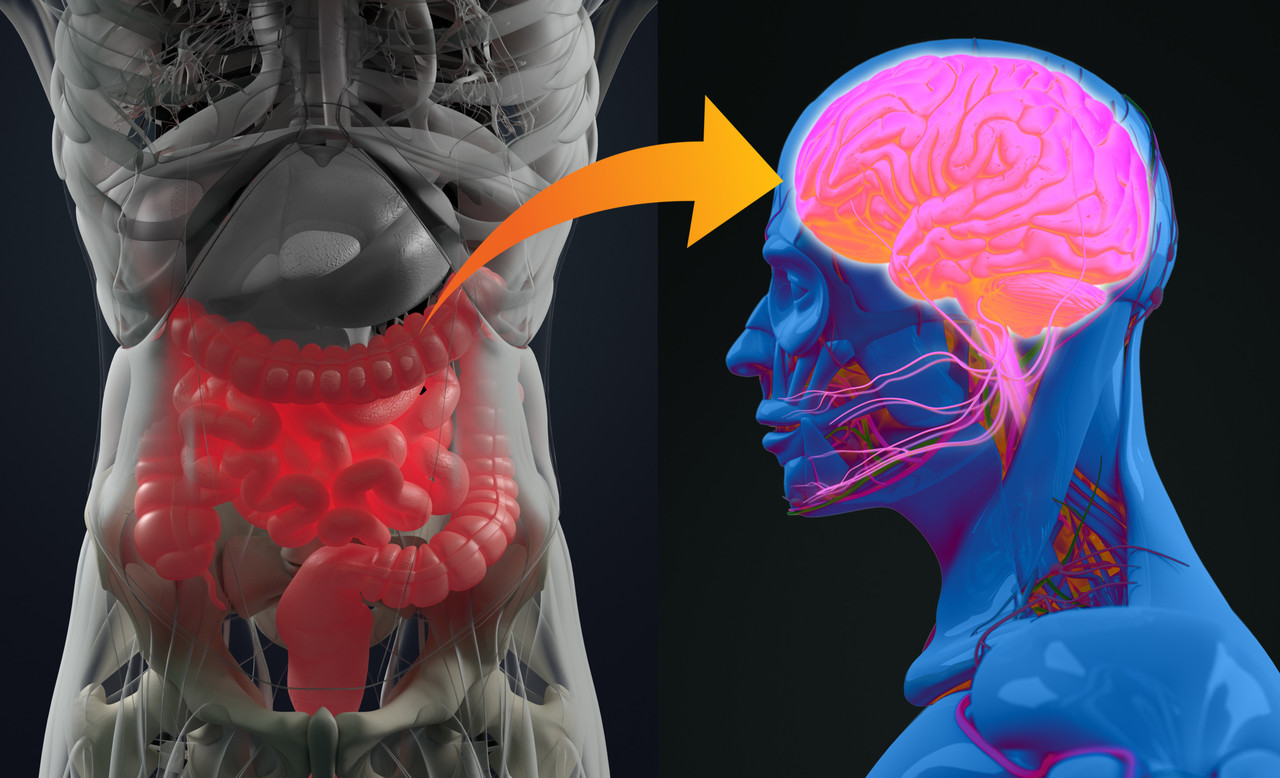
Why? Because the stomach, dubbed the 'second brain', is believed to be the source of many diseases, from depression to certain cancers. Being able to establish a map, from 144 million possibilities, of each epithelium of the intestine - the part between the intestine and the rest of the body in about 900 folds - would probably make it possible to rectify the situation before it is too late, in particular by rebalancing the diet individually, according to the DNA of each person.
This is the gamble taken in Luxembourg by Nium, a spin-off of the Luxembourg Centre for Systems Biomedicine, which is part of the University of Luxembourg. In December, the start-up and the LIH launched "Luxfico", a study of Luxembourg residents who were fed either a high-fibre or a low-fibre diet. The project is one of six research projects that the National Research Fund has decided to support.
Applications are still open until June.
Nium rebounds in the US
On Monday, LIH researcher Helena De Franco, who has just completed a Master's degree in Nutritional Sciences at the University of Bordeaux and her Master's project under the supervision of Prof. Mahesh Desai, was awarded the FNR Industrial Fellowship, €200,000, to fund her PhD on the individualised effect of fibre on the gut microbiota. This study could serve as a basis for the development of personalised recommendations based on each individual's metabolism, which Nium has in mind.
The start-up has also announced another development, in Arizona, where it has partnered with the Arizona State University College of Health Solutions, AZ WearTech Center and Aventyn for a pilot study of nutritional support for outpatients with cancer. "We will use our Nutrida solution to provide tailored nutritional support to patients and their care teams."
This story was first published in French on Paperjam. It has been translated and edited for Delano.