Environment Minister 
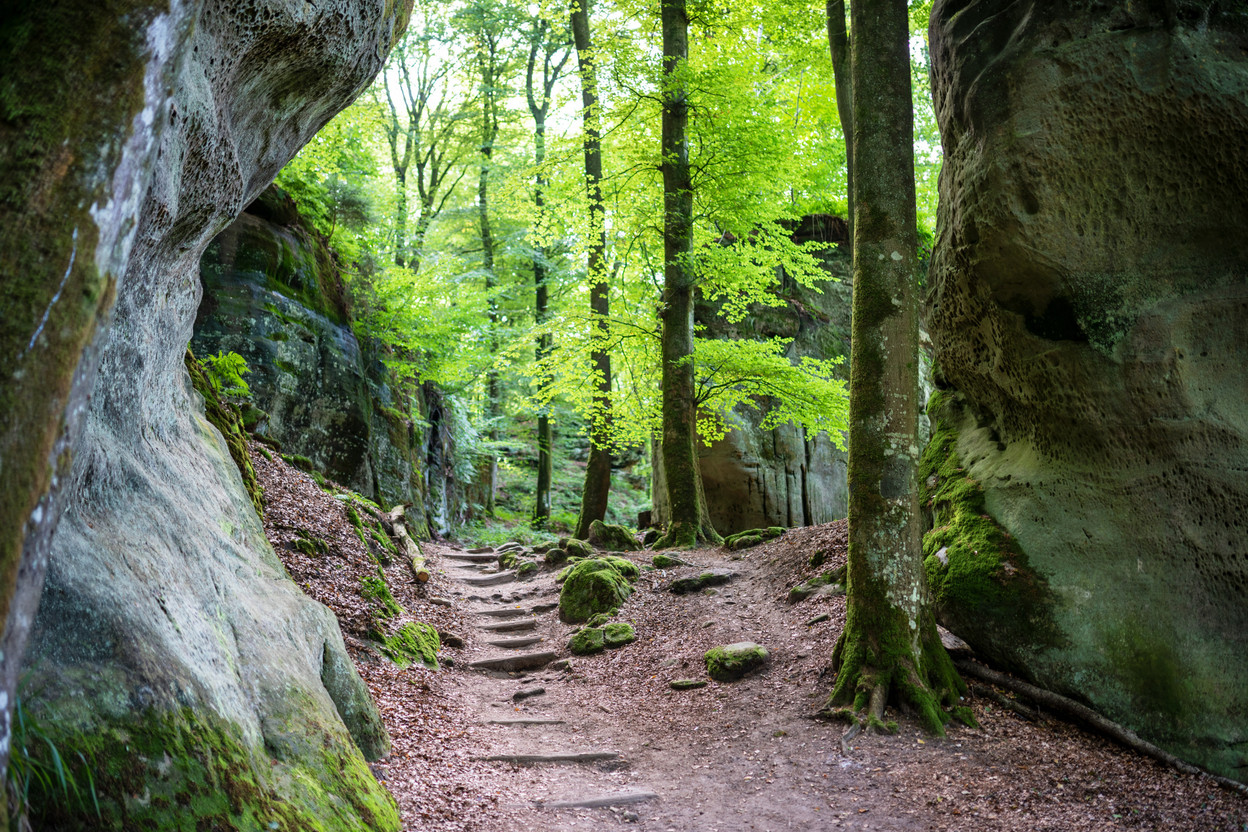
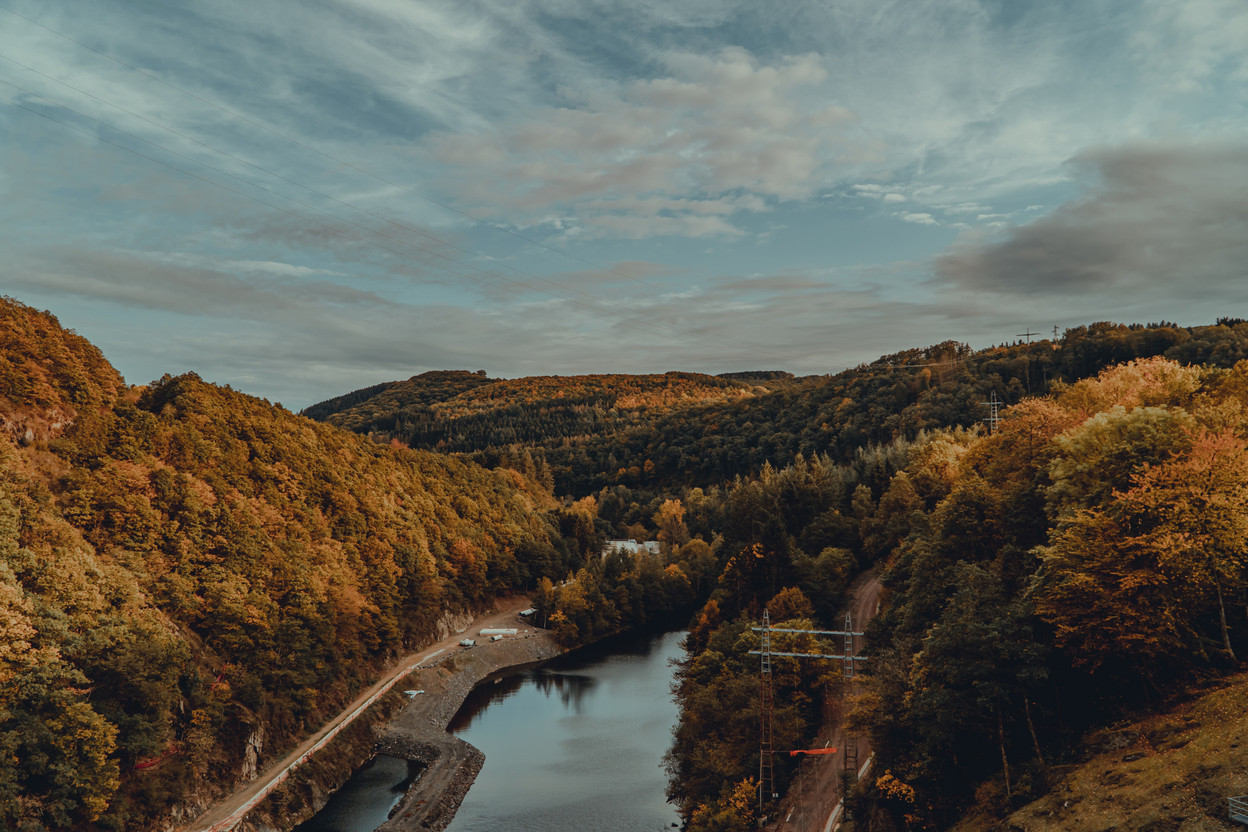
The figures speak for themselves. The forests, which cover 36% of the country, are seeing their resilience eroded: 85% of trees were damaged in 2023, a record that reflects the cumulative effect of drought and pest attacks. Even more worrying, none of the country’s water bodies achieved good ecological status by 2021 - an unprecedented finding, blaming agricultural pressures, physical alterations to watercourses and diffuse pollution all at once.
96 million euros invested
Species are following the same trend. A third of reptiles, fish and breeding birds are now threatened with extinction. Butterflies, the silent thermometers of open environments, are seeing their ranges shrink for almost a third of the species assessed. As for vascular plants, 35.2% are now classified as threatened, a worrying jump on the last red list.
Faced with this tight diagnosis, Luxembourg is clearly putting its hand in its pocket. National spending on biodiversity protection has increased by a factor of 2.6 between 2008 and 2022, reaching 96 million euros. Financial transfers - subsidies, investment grants and funding for municipalities via the Nature Pact - have almost tripled since 2013, driven in particular by strengthened management plans. The production of biodiversity-related services has also risen to almost €90 million, supporting more than 800 jobs, the vast majority in the public sector. An undeniable budgetary effort, even if it remains out of step with the scale of the pressures observed. It remains to be seen whether this now annual snapshot will serve as a trigger or a reminder of the real state of Luxembourg’s biodiversity.