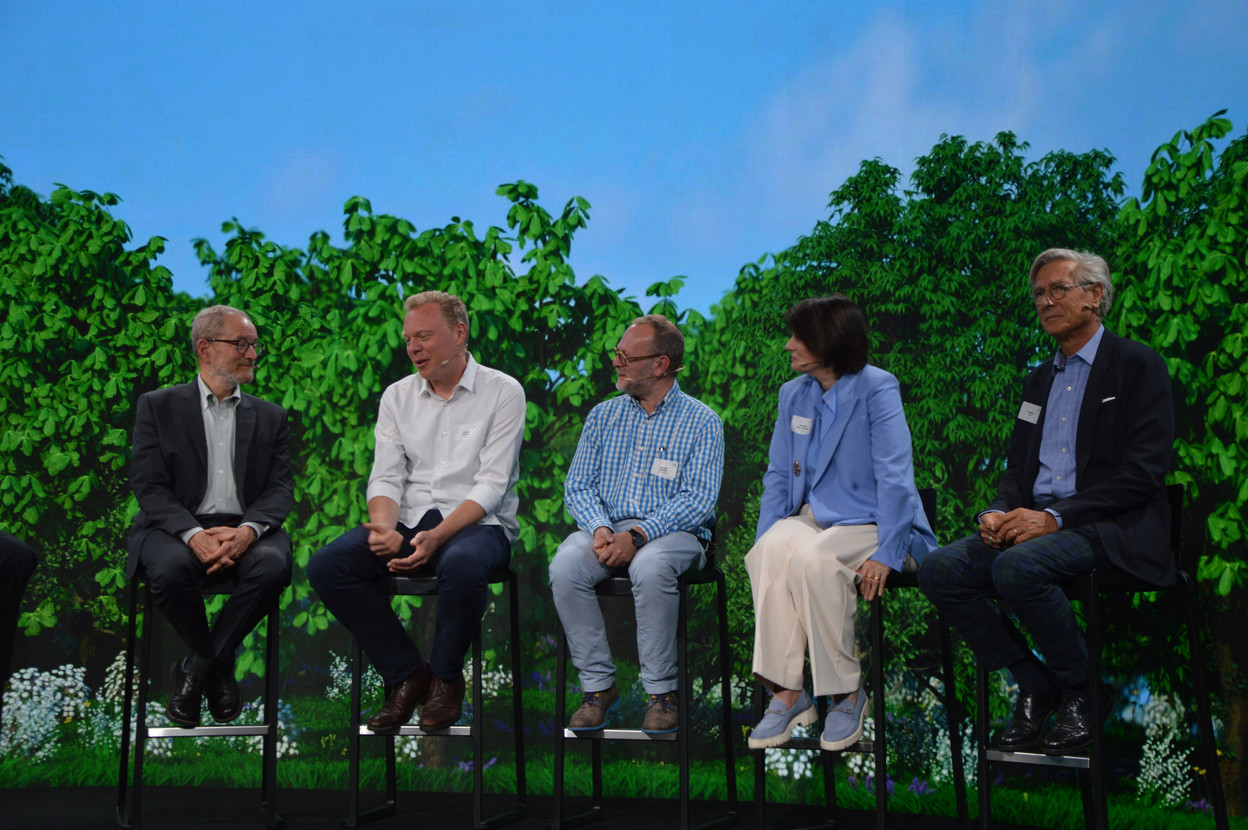
The need to preserve nature, so dear to us all, is more topical than ever, with the UNature foundation running its conference on the subject until 23 May, and today--22 May--being International Biodiversity Day.
Hëllef fir d’Nature points out that the ecological emergency is upon us--the facts show it. Here are five figures.
-5%
This is the change in the state of conservation of habitats and species in the country, according to data from the Natural Environment Observatory. This is despite protection and various conservation plans.
29%
Luxembourg protects 29% of its surface area, thanks in particular to the Natura 2000 network. The country has 67 such areas covering a total of around 72,000 hectares. Of these areas, 49 are classified as habitat areas and 18 as bird areas. Seventy-seven other sites are identified as protected areas outside the Natura 2000 network. An individual management plan is in place for each Natura 2000 area. These plans include conservation and renaturation measures.
80%
This is the proportion of animal and plant species that live or evolve in a state deemed unfavourable or precarious, in particular because of human activity, such as intensive agriculture
85%
This was the proportion of damaged trees in Luxembourg in 2022. Three years on, the health of Luxembourg’s forests continues to deteriorate. There are several reasons for this, both natural and humanmade: extreme weather events, the presence of harmful organisms such as bark beetles, and deteriorating soil quality.
95%
This is the proportion of the country’s grassland that has been destroyed, as a result of ever-greater consumption of land “and some of the highest fragmentation in Europe,” as Hëllef fir d’Nature notes. For example, between 2017 and 2021, 8km2 of grassland disappeared.