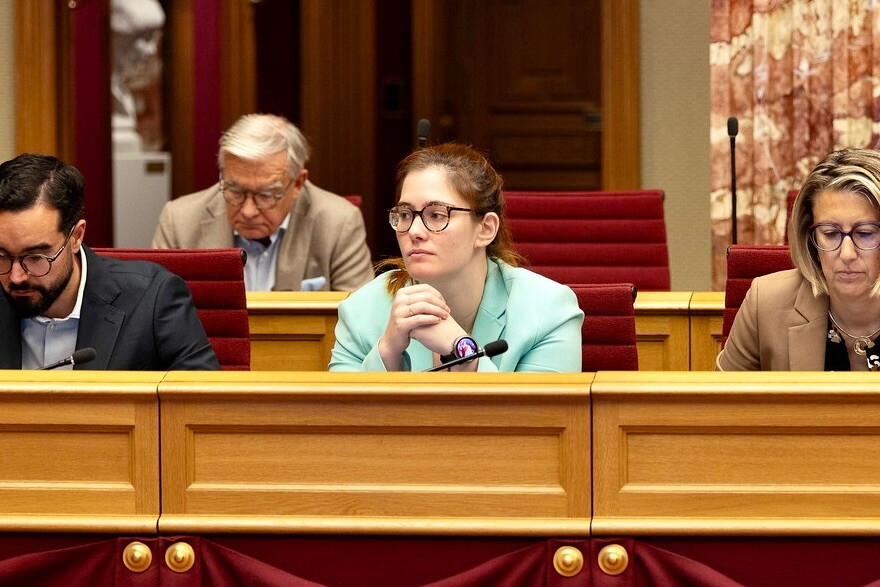
Three rapporteurs, one from each of the Benelux countries, are being brought together to prepare a report on Belgium’s planned road charge, Françoise Kemp, president of the Luxembourg delegation to the Benelux parliament, told Paperjam in a telephone interview on Wednesday 25 November. The objective is to draw up a recommendation, although Kemp said it was too early to determine what it would contain.
Monday’s meeting of the Luxembourg delegation had dealt primarily with organisational matters rather than the substance of the Belgian proposal, she explained. The project had been presented at a committee meeting in October, but detailed discussions would begin early next year. As Paperjam reported on Tuesday, the finance and mobility committee and the cross-border cooperation committee have included the charge among their proposed priorities for 2027, which are due to be put to a vote on Saturday.
Speaking in a personal capacity, Kemp said she would prefer Belgium to abandon the proposed charge altogether. “But I think we could already be pleased if there were an exemption for the Greater Region,” she said. In a subsequent text message to Paperjam, Kemp stressed that the opinions and positions she had expressed during the interview were her own and did not represent those of the Luxembourg delegation.
The Luxembourg government had asked Wallonia to consider establishing a charge-free border zone to preserve everyday journeys for work, shopping and access to services. Walloon Mobility Minister François Desquesnes rejected a geographical exemption in an interview with L’Essentiel in October, arguing that anyone using the road network should contribute to its maintenance, regardless of where they live.
Pressure ahead of May
“We will certainly apply pressure to ensure that we intervene early enough,” Kemp said. She believes there is still time to influence the Belgian legislation. The Benelux parliament can issue recommendations to governments, which require a two-thirds majority in plenary but do not in themselves amend national legislation.
The dispute extends beyond relations between Luxembourg and Belgium, with the Netherlands and Germany also affected, Kemp pointed out. She considers the Benelux parliament a suitable forum for discussing the issue. According to Kemp, members of the committee she attended in October understood Luxembourg’s dissatisfaction but had not expressed a position beyond that. Asked whether any concessions were currently under discussion, she replied that there were none.
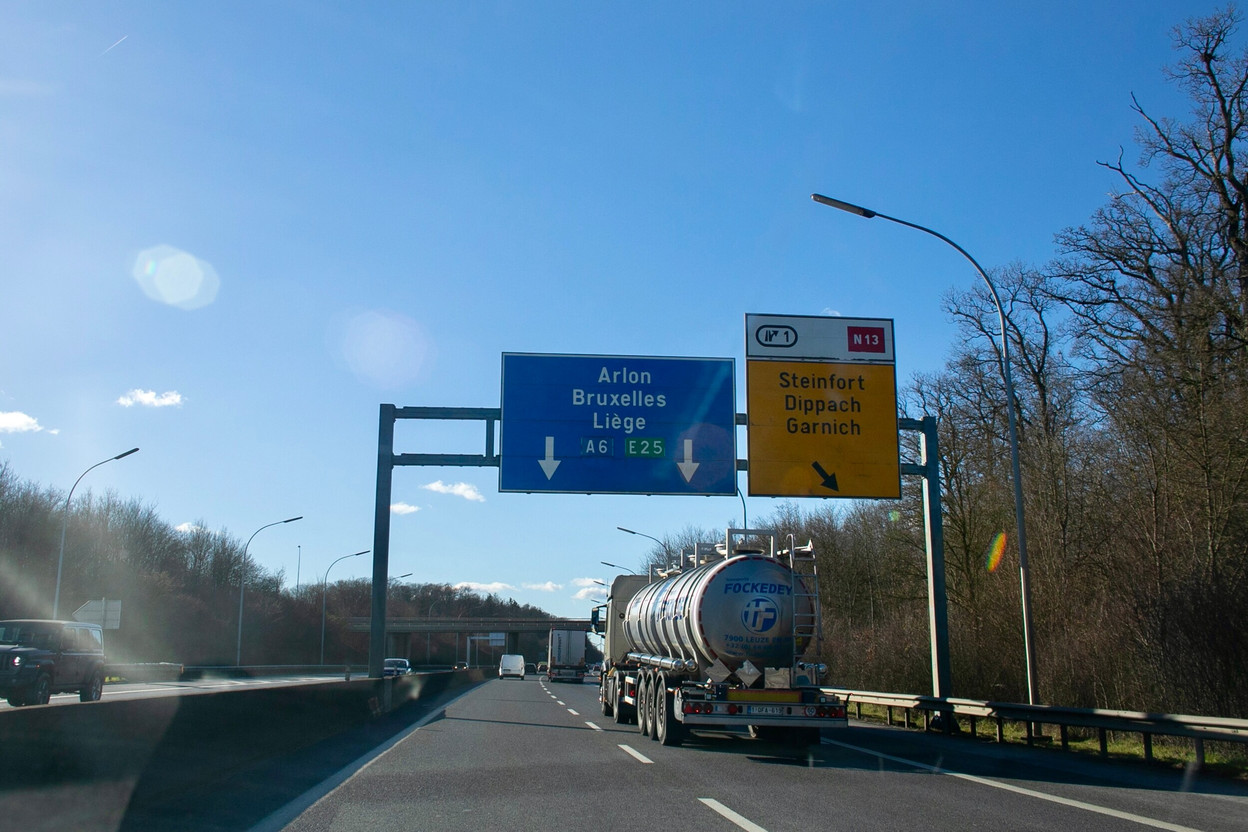
Under the plans reported by Paperjam in October, a single digital road tax sticker would cover the relevant road networks in Wallonia, Flanders and Brussels. The announced annual charge was €100 for vehicles meeting Euro 4 or more recent emission standards, €125 for Euro 0 to Euro 3 vehicles and €90 for zero-emission vehicles. Occasional visitors driving vehicles meeting Euro 4 or more recent standards could purchase a 24-hour sticker for €9.
Assessing the impact
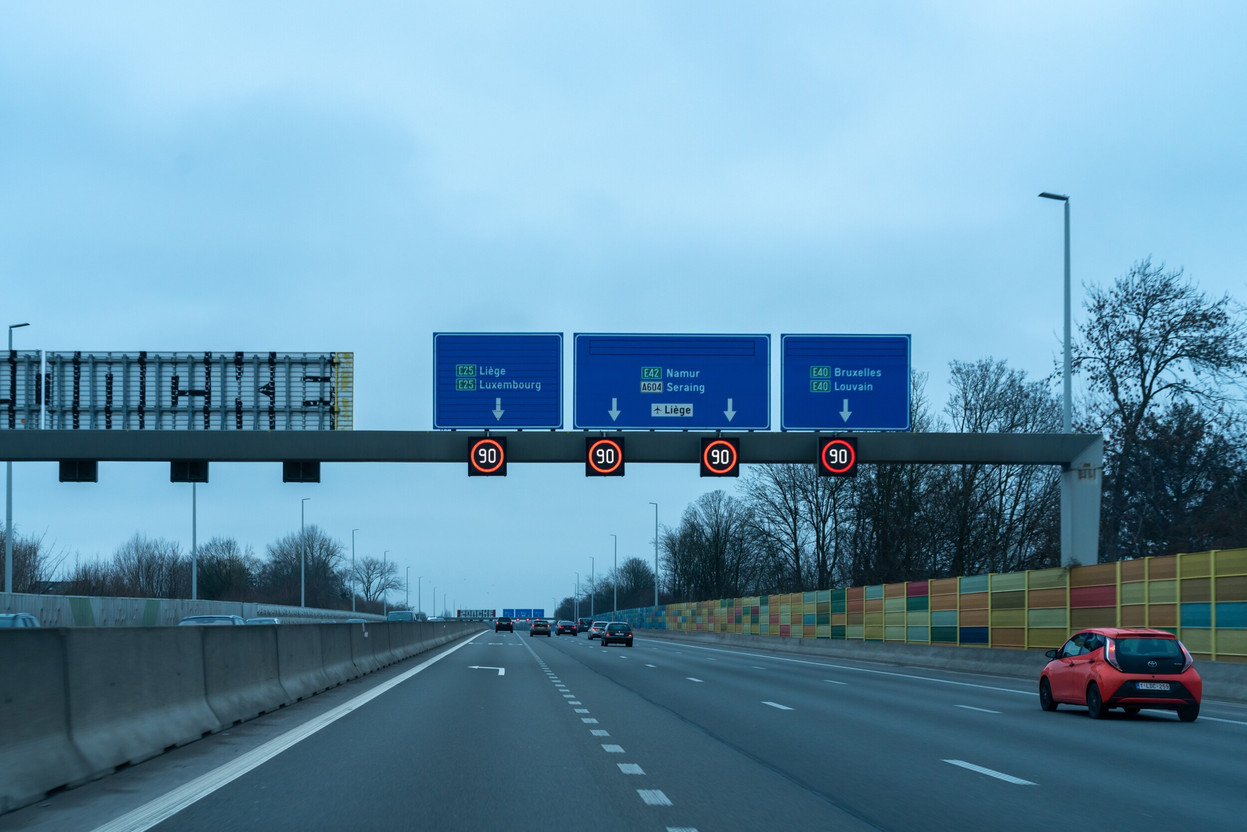
Kemp fears that drivers will leave motorways to avoid paying the charge and instead use smaller roads through border communities. “There will be much more traffic, more noise and greater risks,” she warned. Cross-border shopping patterns could also change, with consequences for small businesses in the area, she said.
“So far, we have not received an impact study, but we will certainly request one,” Kemp said. The Luxembourg government had already asked Wallonia in August for any assessment of the economic, social and environmental consequences of the road charge. Kemp also wants to establish precisely which rules and exemptions will apply and to examine whether the proposed system respects European non-discrimination requirements.
Kemp said she intended to coordinate the parliamentary work with Mobility Minister Yuriko Backes. With Belgium taking over the rotating presidency of the Benelux parliament from Luxembourg, she considers it important that the assembly continues to provide a forum for airing disagreements between its member countries.