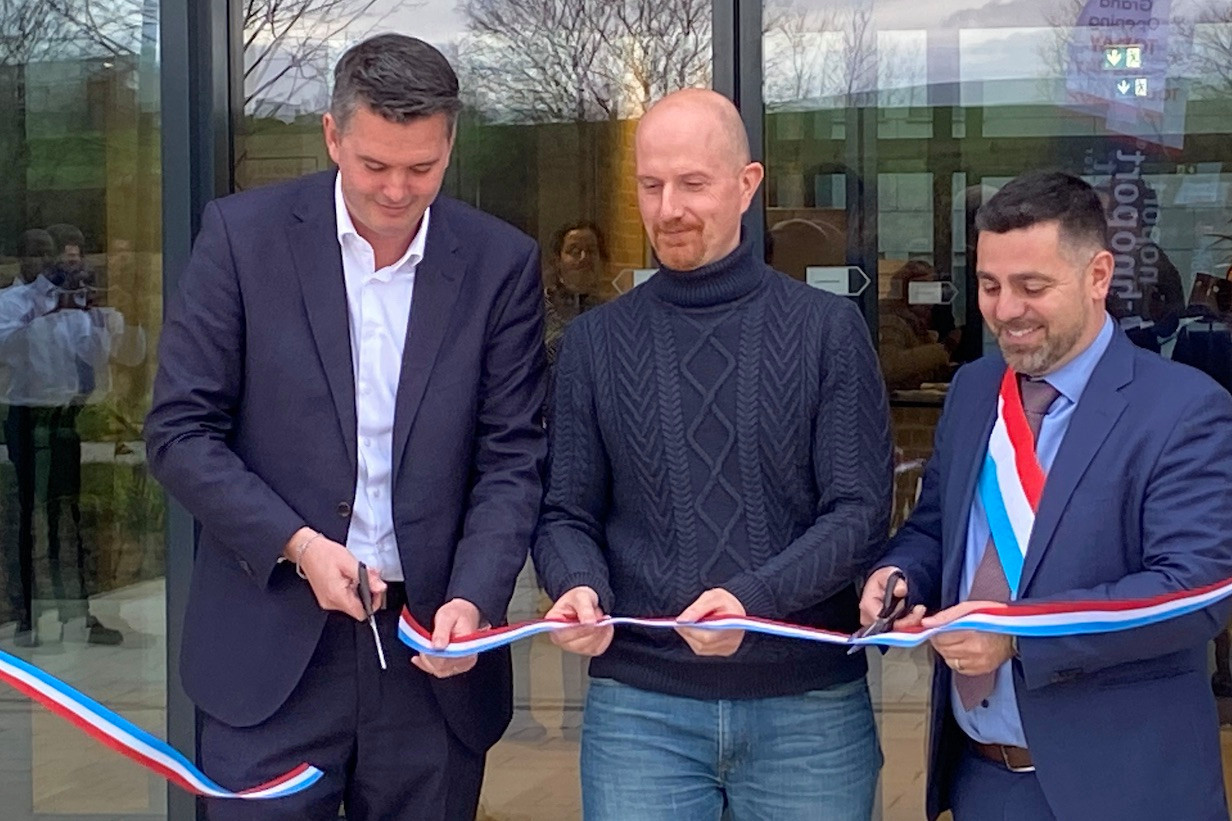
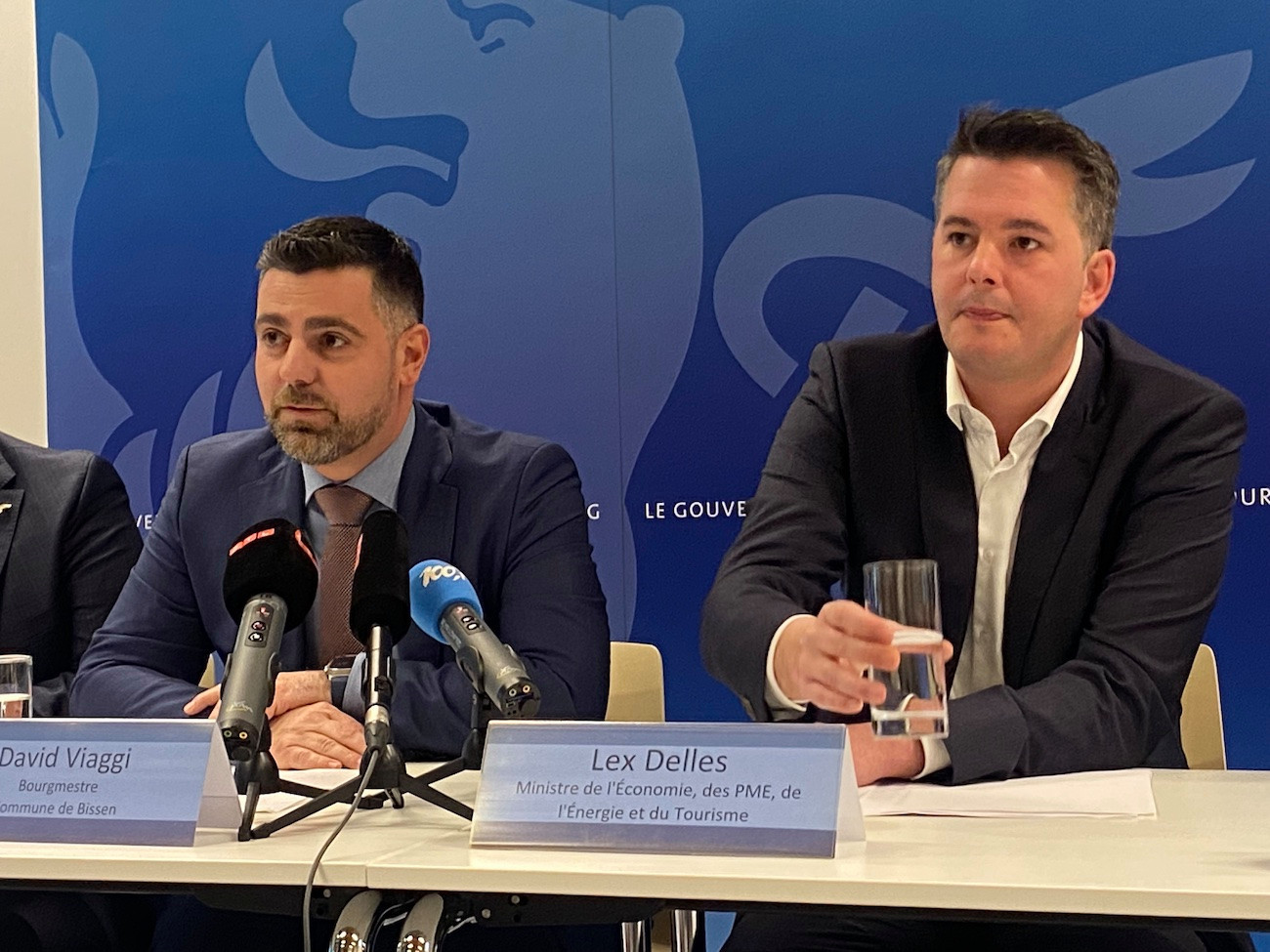
“We haven't ruled out the idea of one day hosting Google’s data centre.” The mayor of Bissen, David Viaggi, barely had time to respond to this modern-day technological sea serpent before the minister for economic affairs, 
And yet the probability of a new European manufacturer being born on this campus, producing the cars of tomorrow, is close to zero. The likelihood of a company making spectacular progress in the field of tyres, car materials, autonomous cars or infrastructure management, where tens of thousands of people lose one to three hours a day in traffic jams, is much higher. Of course, Luxprovide is not far away, and an extension of the site is not out of the question, but Luxembourg will need one more cutting-edge infrastructure in view of the on-board electronics and the data it generates on a continuous basis.
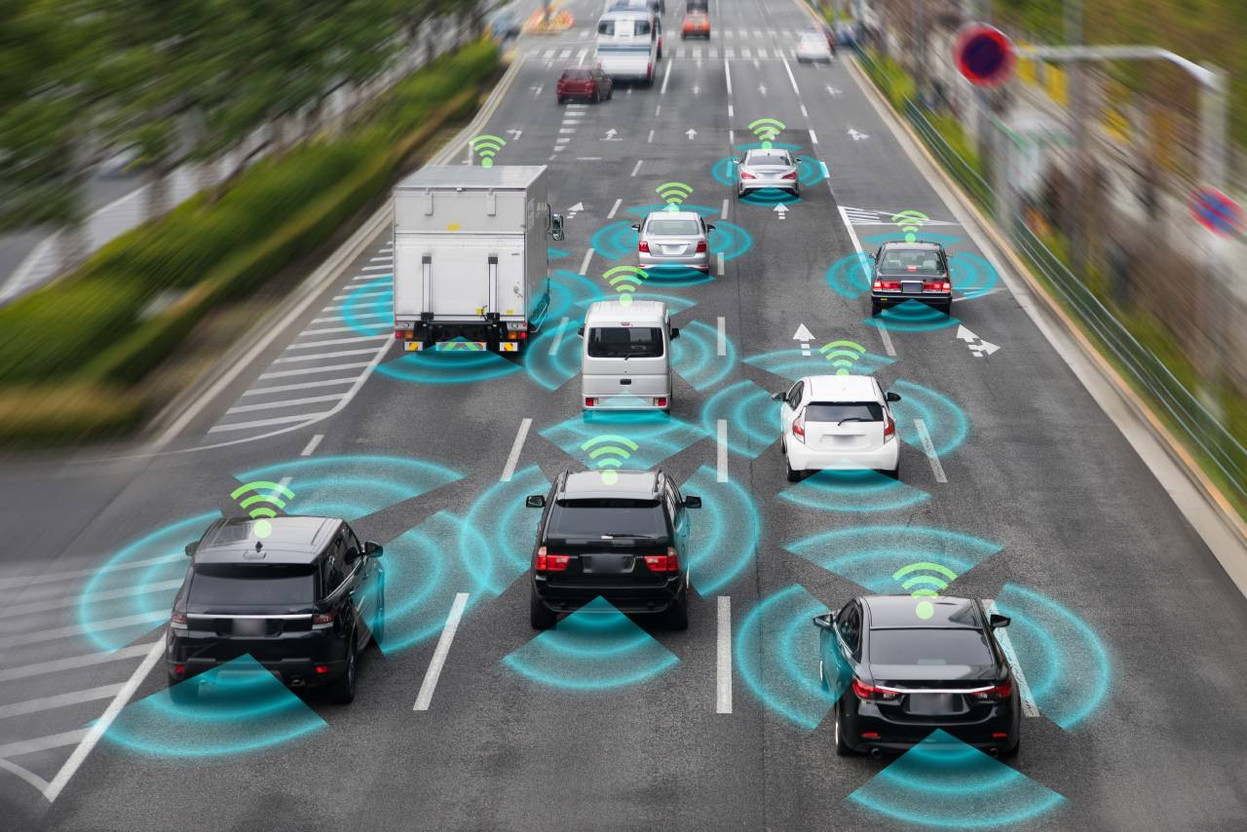
Luxembourg has a card to play with autonomous driving.
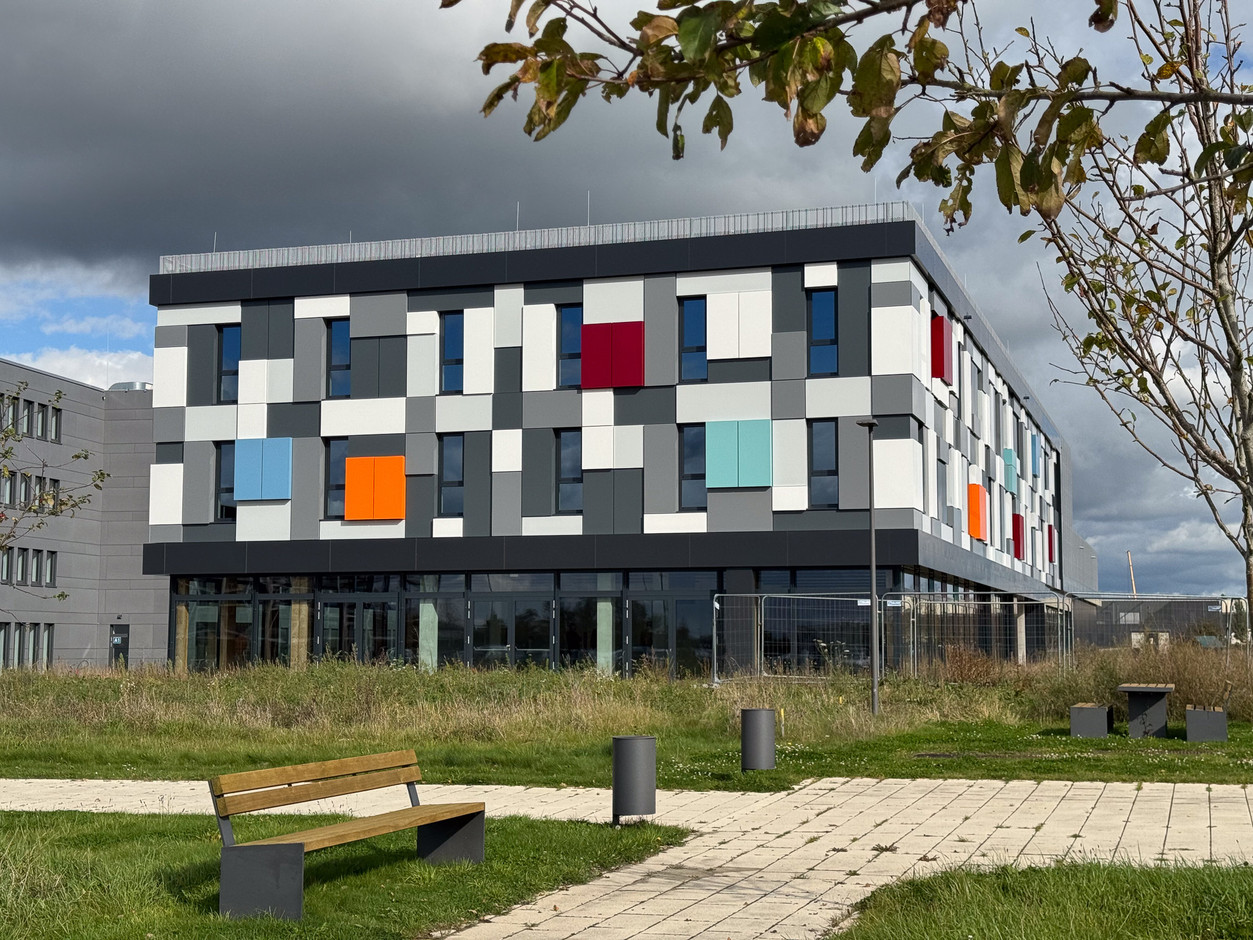
Five years after IEE played a pioneering role by setting up on this campus, where Solarcleano’s solar panels can be found, a second giant will occupy part of the 14-hectare site, which includes 2,100m2 of offices, 400m2 of laboratories and a canteen and should eventually accommodate more than 4,000 people. Goodyear at the end of 2026 will bring together its Luxembourg teams (around 350 people), for whom it is currently renting premises. Although the global giant has a highly structured policy for protecting intellectual property, Goodyear’s EMEA vice-president in charge of the commercial product business unit, Xavier Fraipont, admits: “We can’t do everything on our own. In the same way as we are doing with List [Luxembourg Institute of Science and Technology], I hope that this will enable our teams to exchange ideas with entrepreneurs and startups and that this will lead to more serious partnerships.”
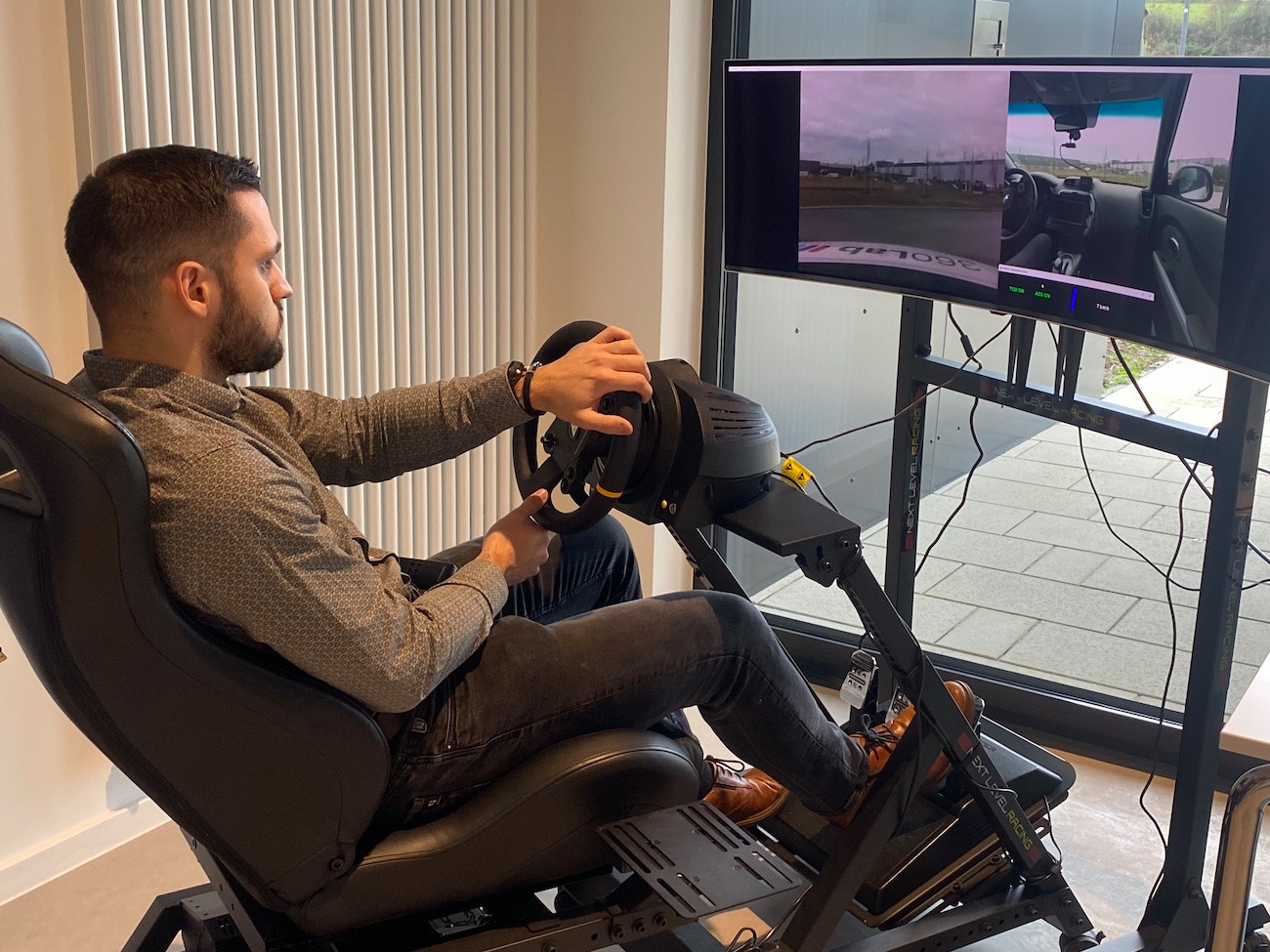
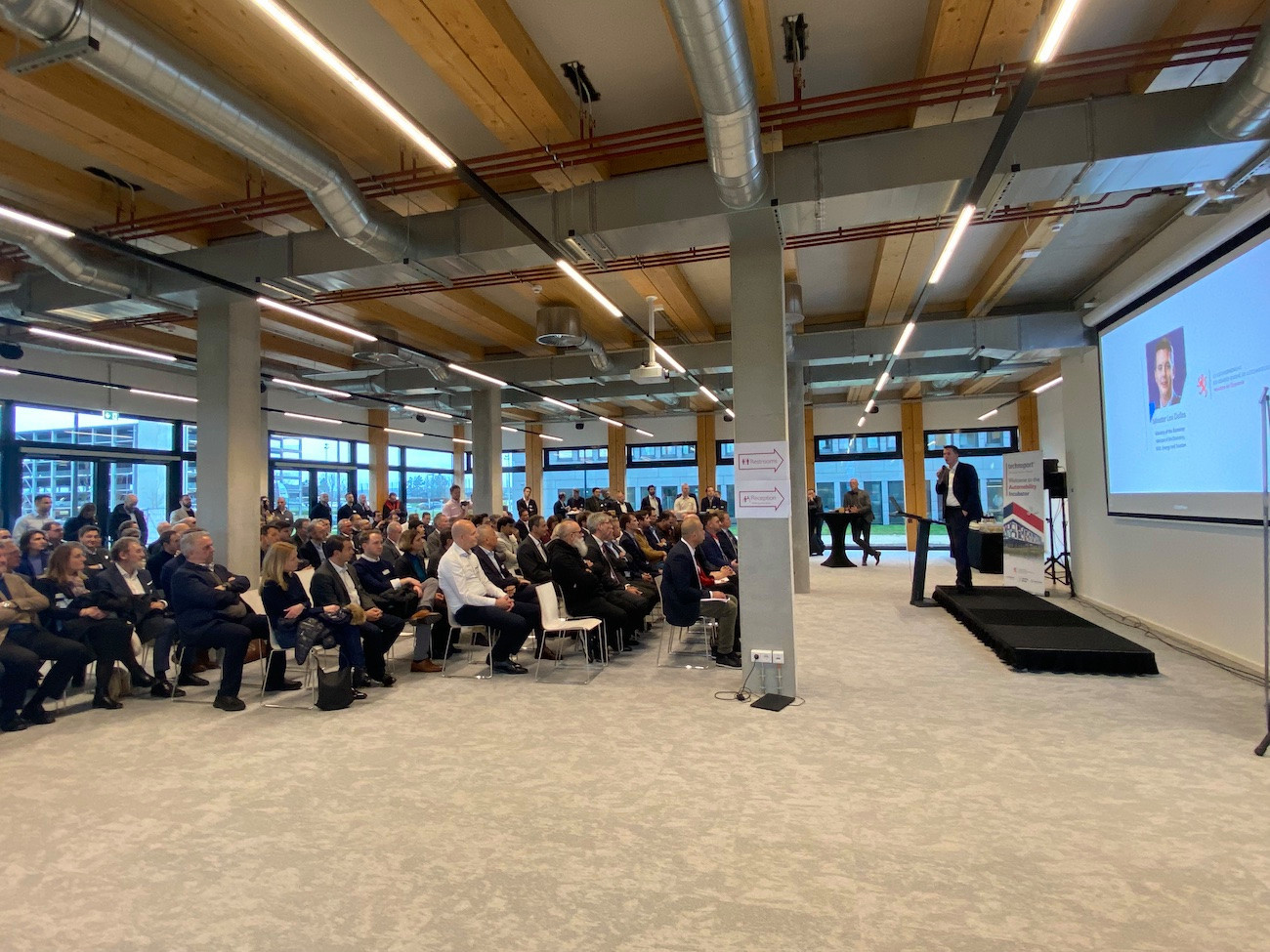
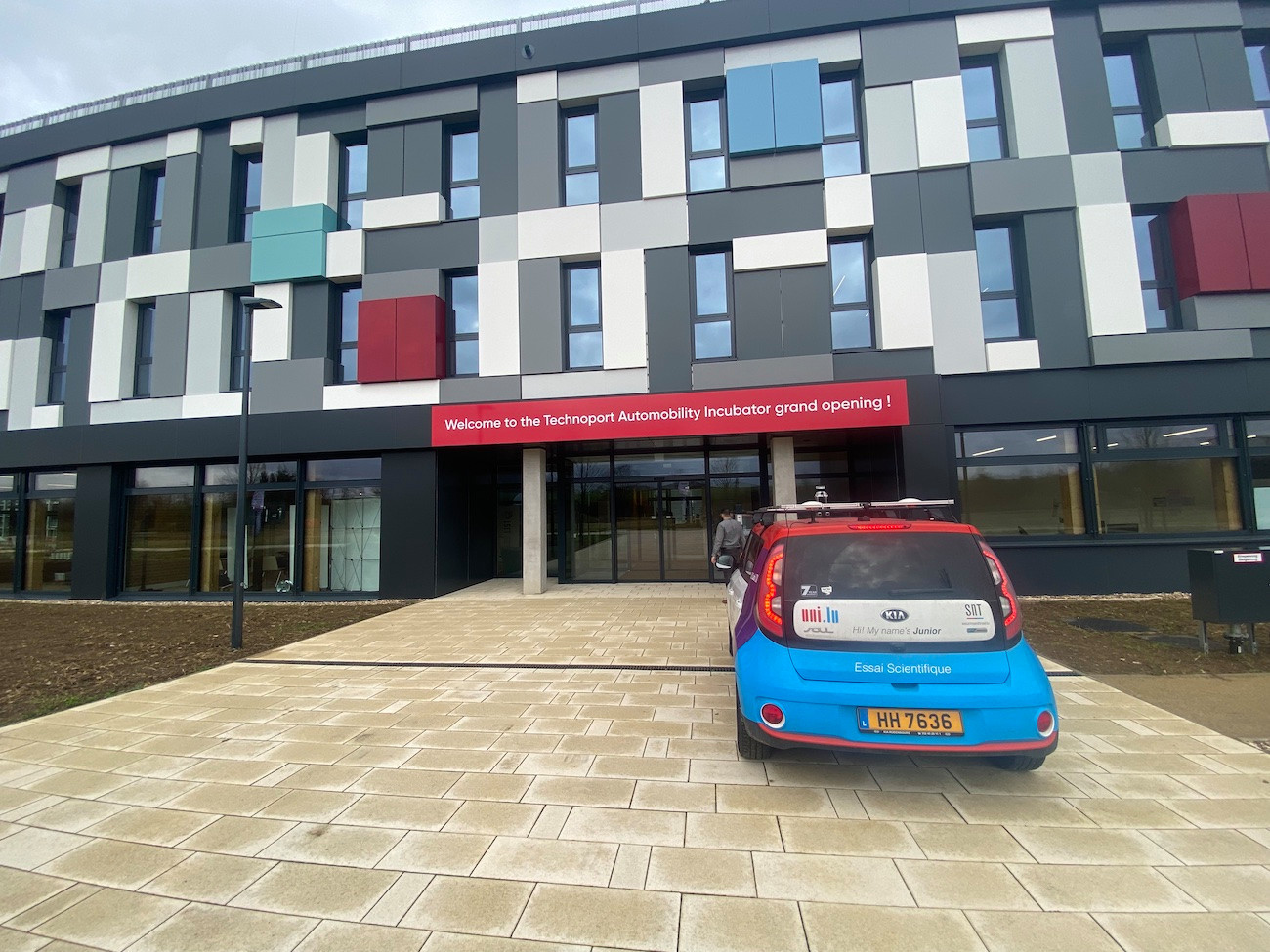

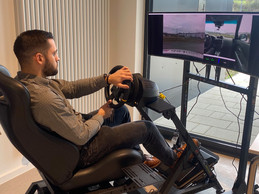
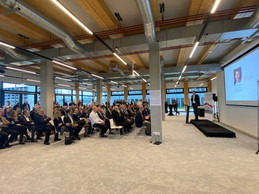
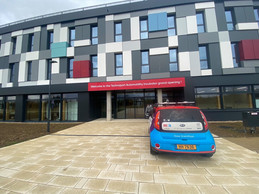
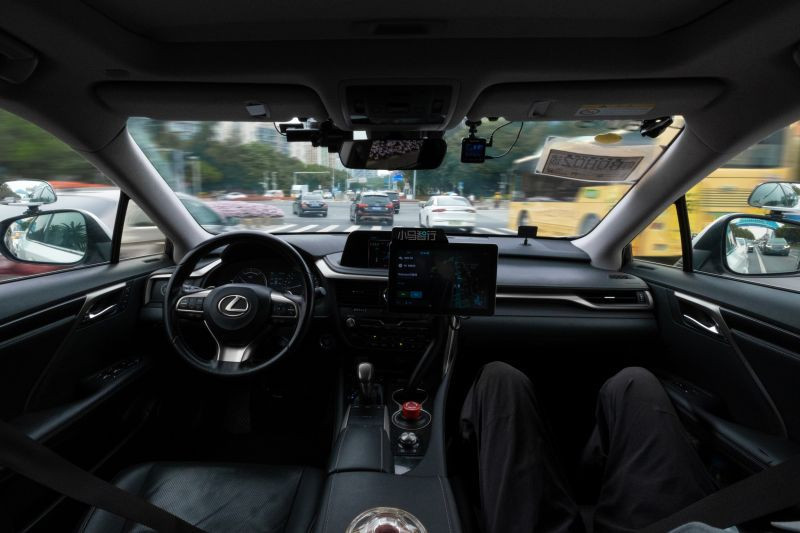
And the government was proud to announce the arrival of China’s Pony.AI, an autonomous driving company that will make Luxembourg its European home for the time being. Provided, we imagine, that the government puts some oil in the legislation to authorise the presence of autonomous vehicles on public roads other than in more or less ‘remote’ places.
“Autonomous driving is a long way off here,” admitted the minister, “but in San Francisco, where I was at the beginning of the year, or in China, from where I’ve just come back, taxis run without drivers. Luxembourg has a card to play with autonomous driving. With the minister for mobility and public works 
Read also
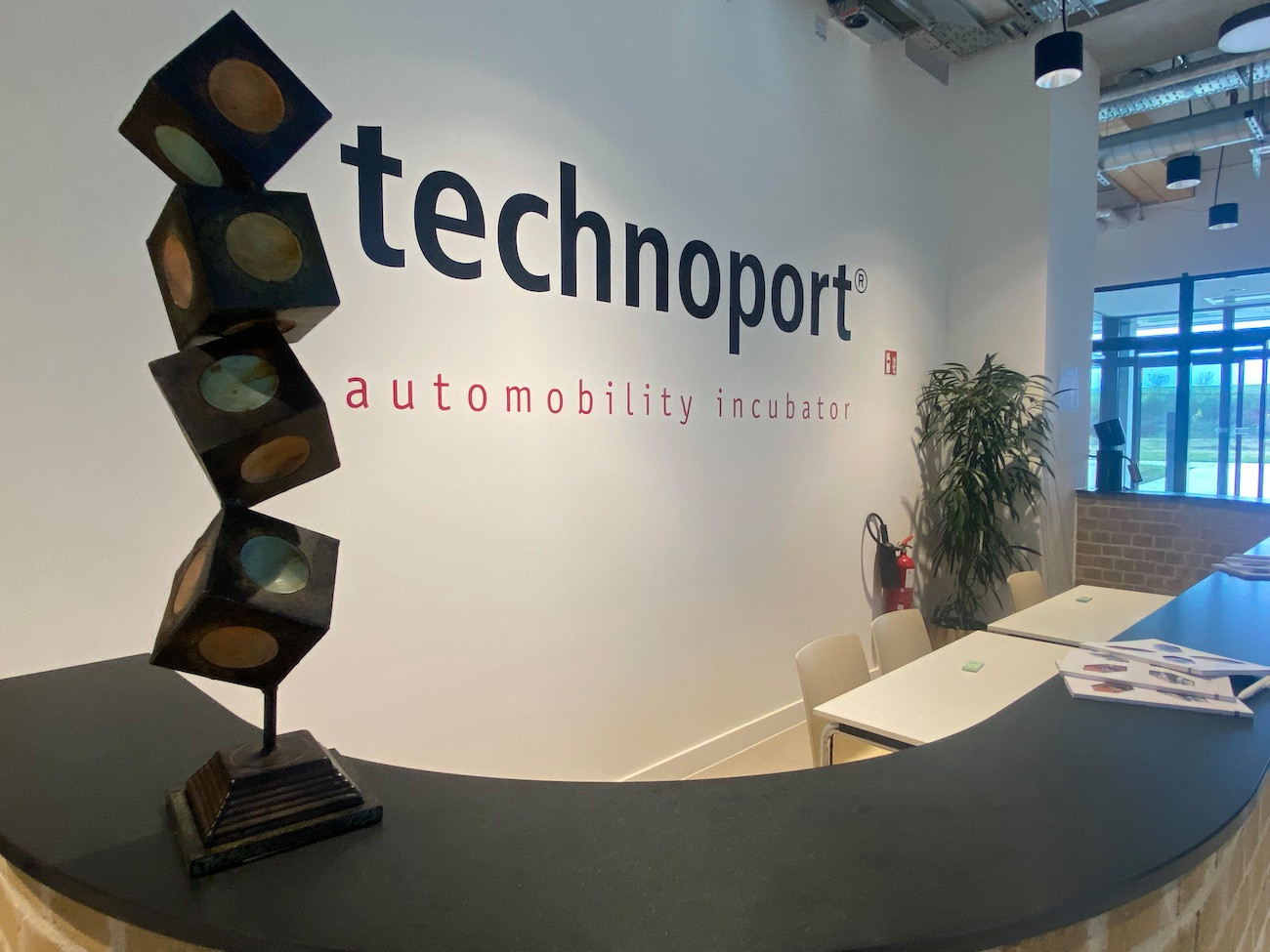
As the Automobility Incubator building, built according to the rules of circularity, took two years to complete, Technoport CEO Diego De Biasio and Bissen’s specially recruited Technoport director Erez Arye have had time to carry out “proactive scouting since the spring to attract entrepreneurs to Luxembourg and see how Bissen could fit into their strategy. We’ve met the heads of 70 companies, and discussions are still underway with a dozen of them. Three have already signed a pre-contract, including Pony.AI, Voltcore and Right Energy, who will be arriving in the first quarter of 2025.” Others could follow fairly quickly, while those that are potentially in the automotive sector but based in one of the other two Technoports--half a dozen companies, said De Biasio--are not necessarily expected to move.
The government has invested €40m in this project, €21m for the incubator, €10m for the first eco-designed car park and €8m for the infrastructure.
At a time when the rapid development of electric cars in China and of Tesla are putting a strain on European carmakers, the timing of the opening is obviously peculiar. But every crisis, as speakers kept repeating, is an opportunity. The event’s keynote speaker, Cosmicgold co-founder Julia Holze, also reminded the audience of this proverb. According to Holze, $3trn of the $12trn that innovation will add to the economy will come from mobility.
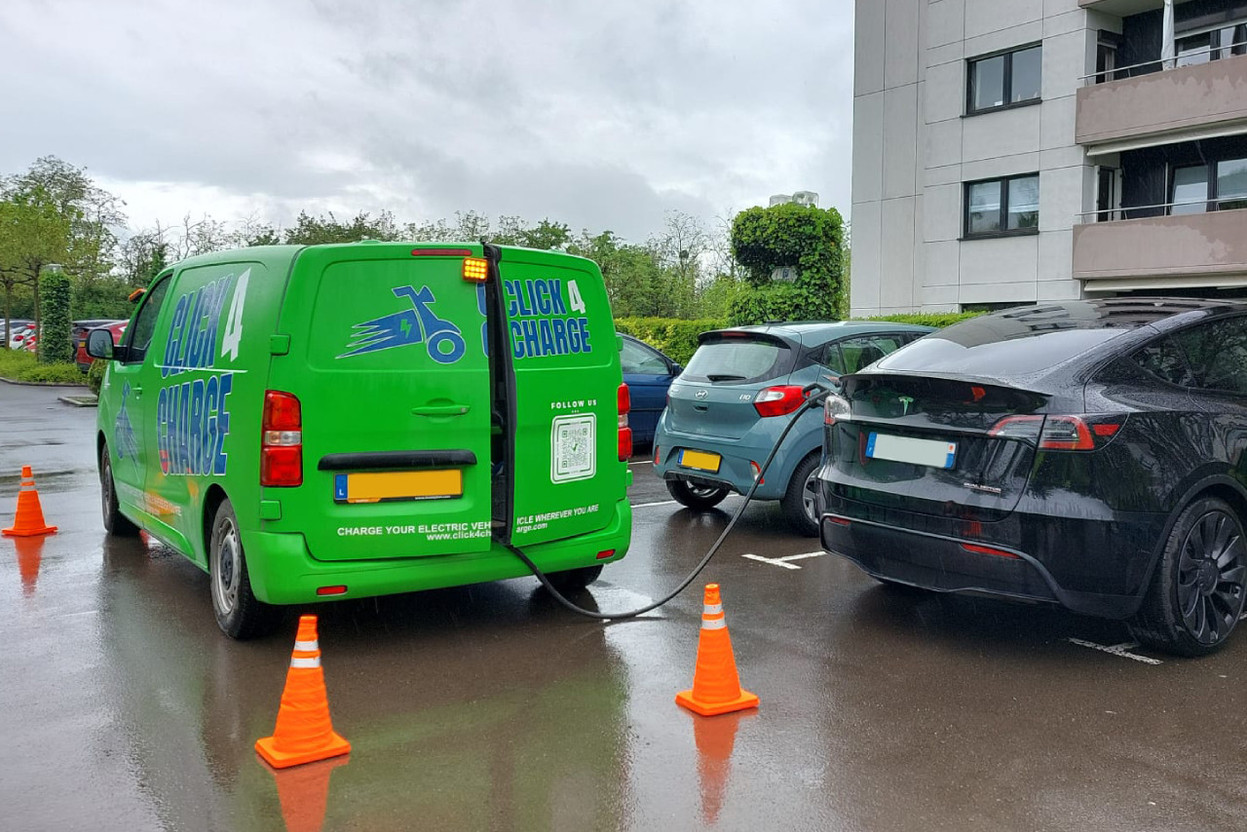
This is what the ambitious are going to have to get to grips with. After the press conference and before the inauguration event, the delegation went from stand to stand to get an idea of the depth of the ecosystem: CDCL, Cebi, Accumalux, List, SNT, Ecomobility, Circu Li-ion, Carraro, Thermal Design Solution, Fleetlab, Right Energy, Voltcore, Fanuc, Fujitsu, Rotarex, Incert, Webasto, Phinia, Ohmio&CFL, Goodyear, IEE, Pony.AI, Click4Charge and Swio+Simdle were represented.
This article was originally published in French.