The debate over the future of Findel is gaining momentum. The Luxembourg Aeronautical Federation (FAL) and the Aircraft Owners and Pilots Association (AOPA) Luxembourg issued two similar press releases on Thursday 25 June to defend the role of “general aviation”. This category encompasses private flights, flight schools, flying clubs, light business aviation and certain sporting activities. Both organisations fear that the continued growth in commercial and cargo traffic may ultimately push these activities into the background.
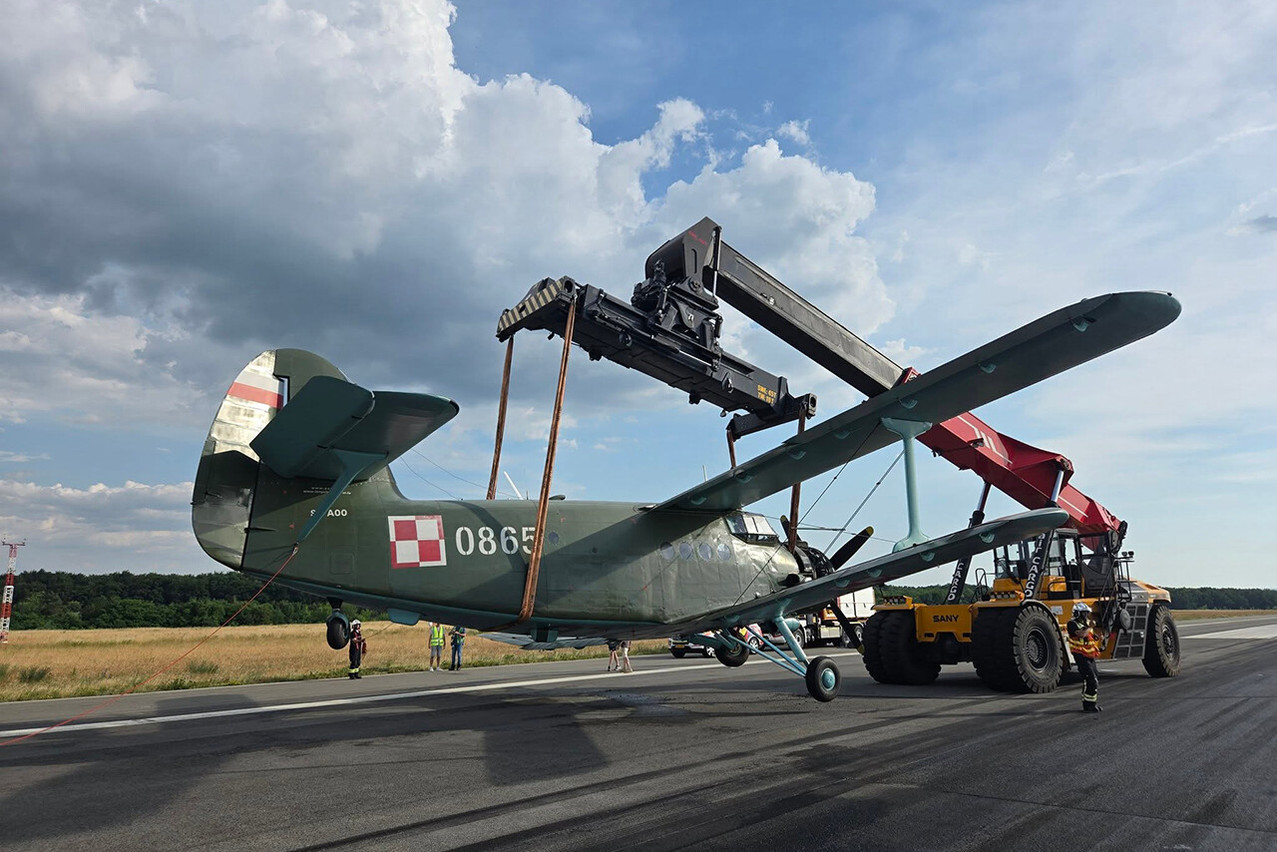
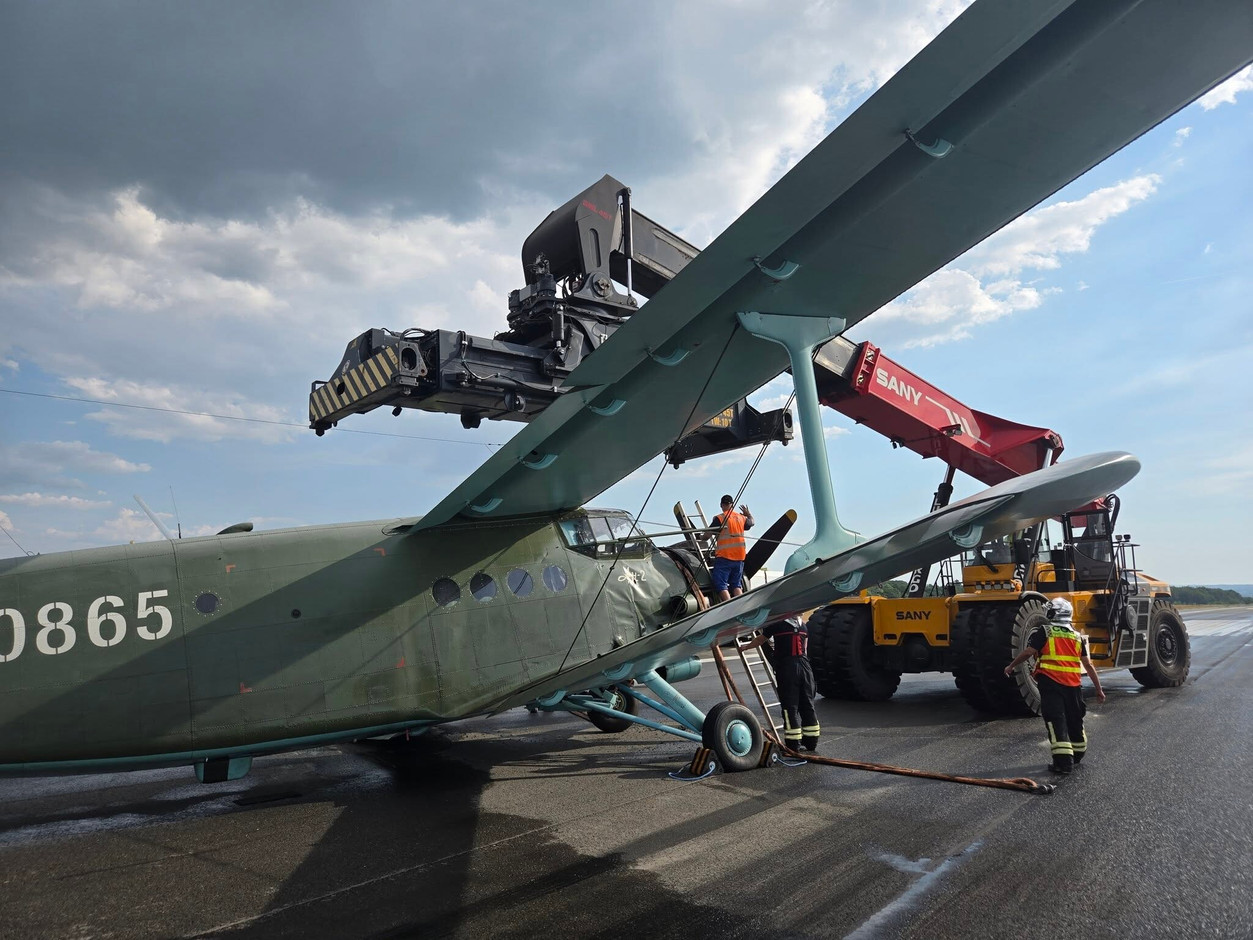
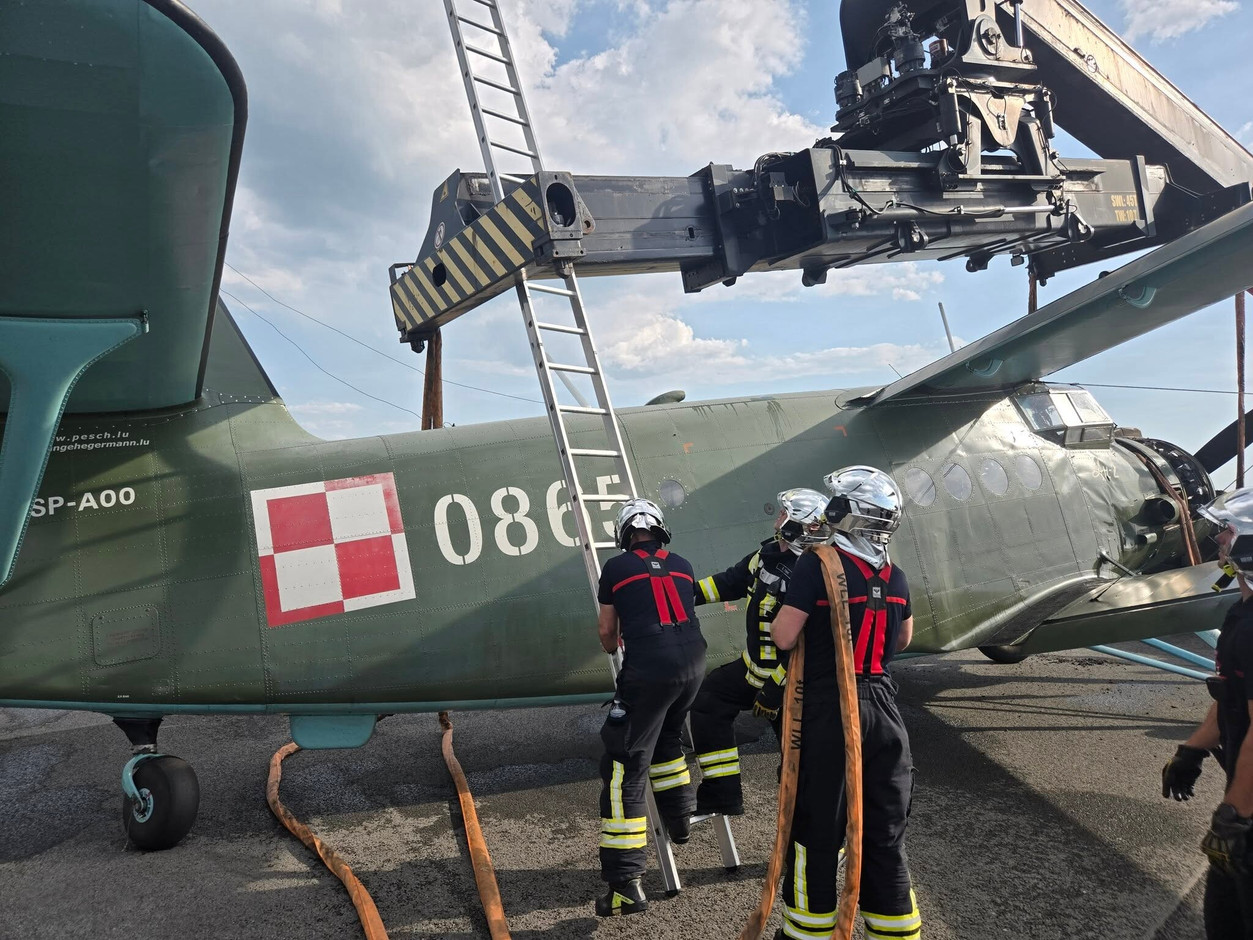
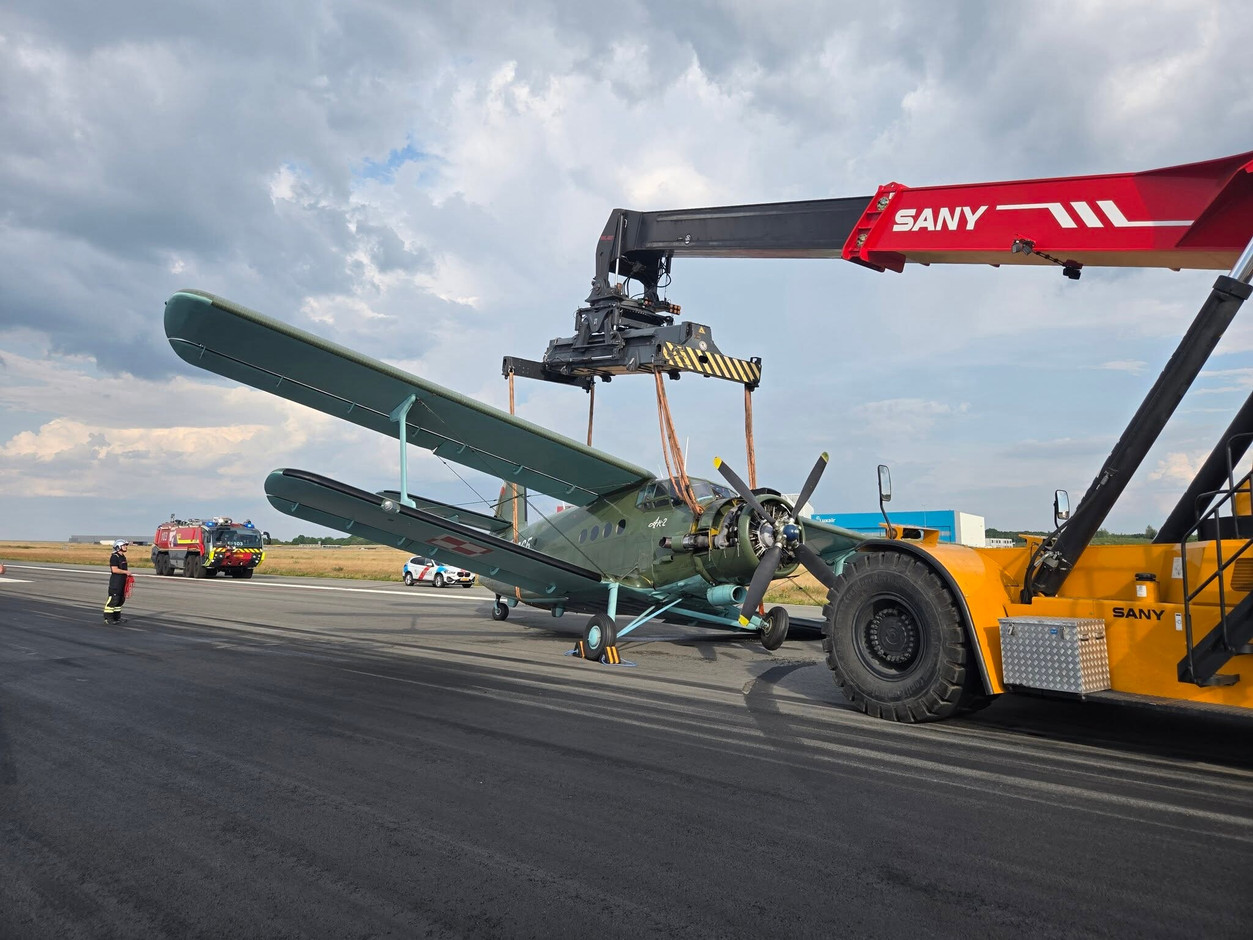
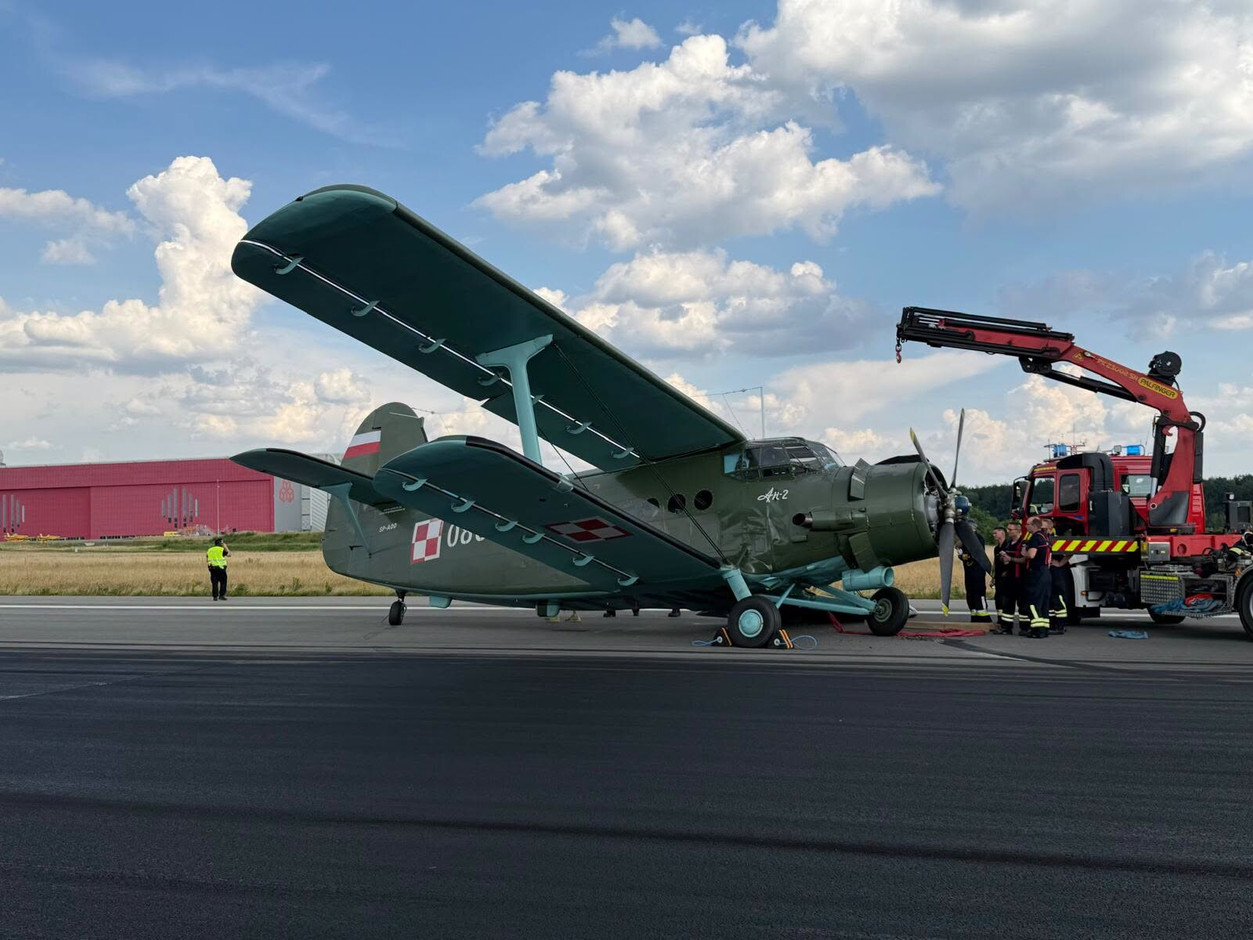
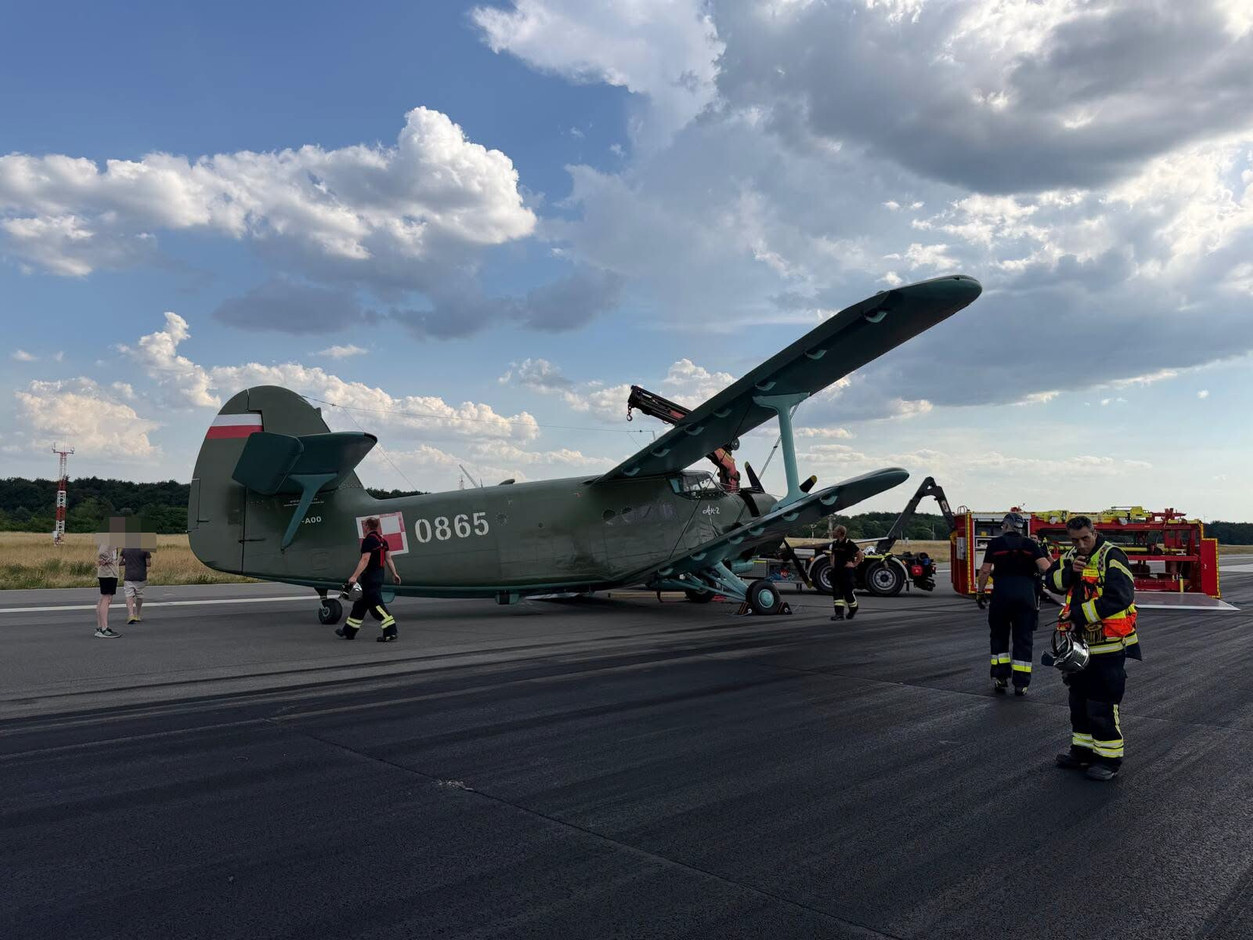
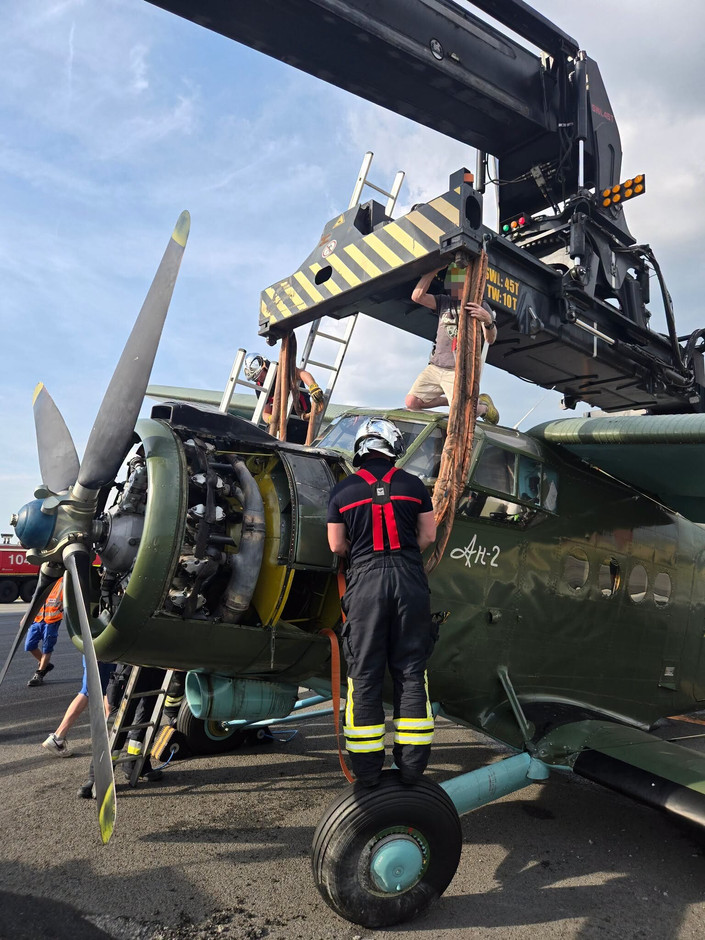
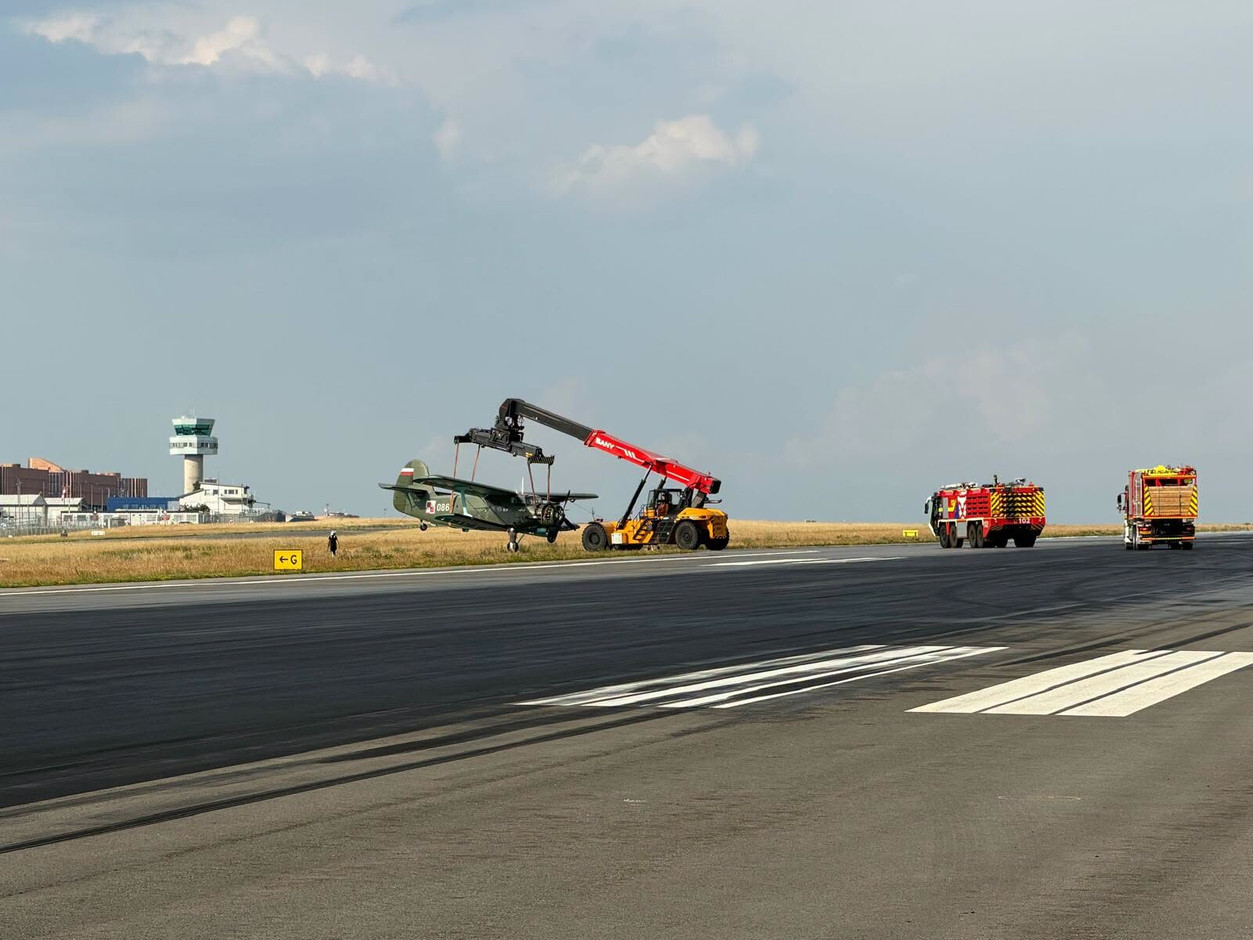
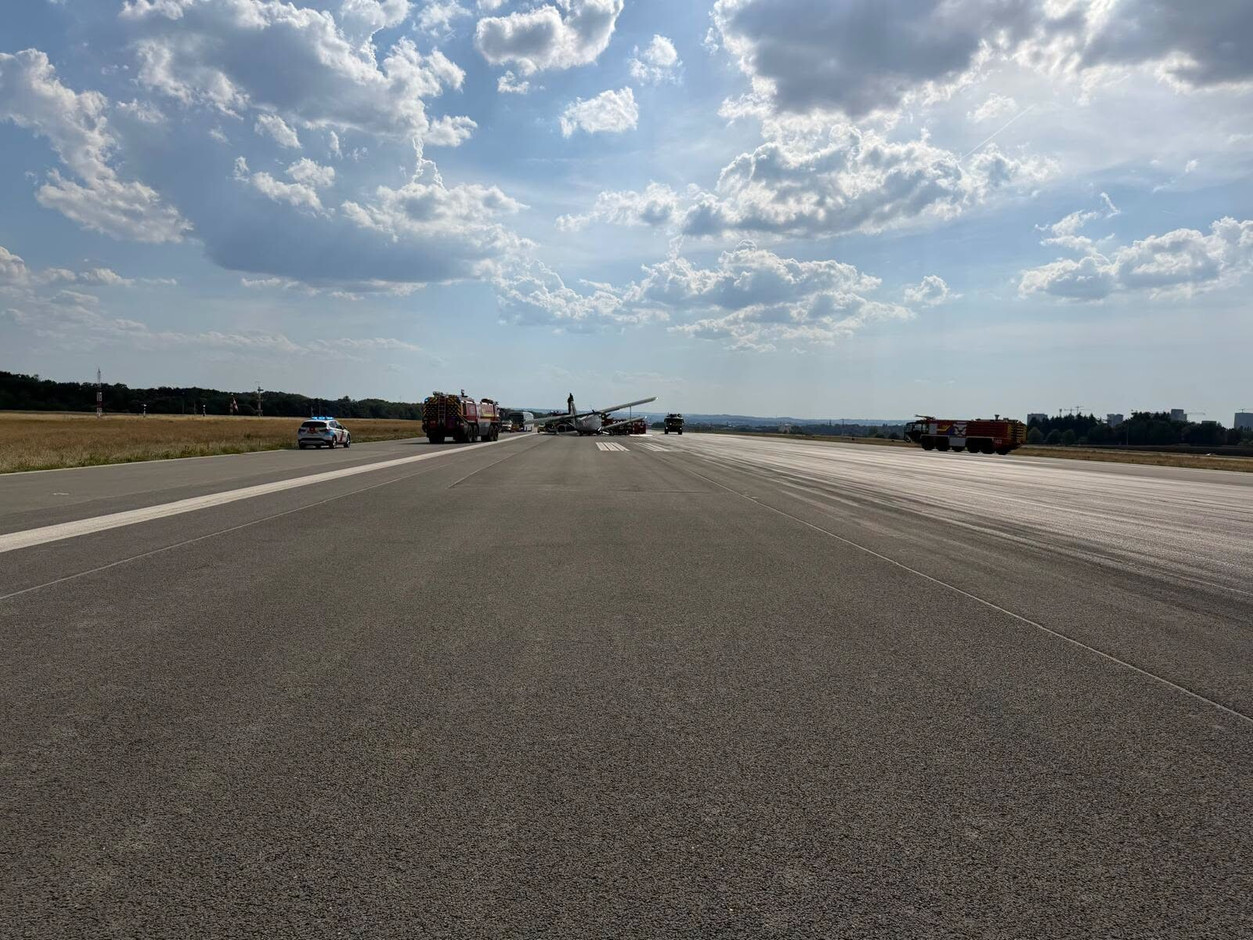
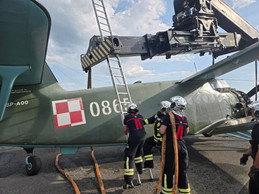
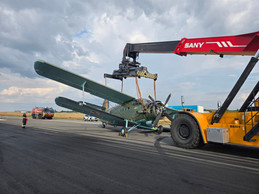
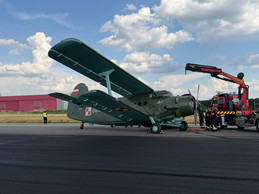
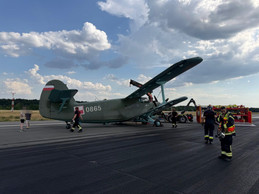
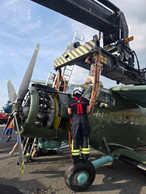
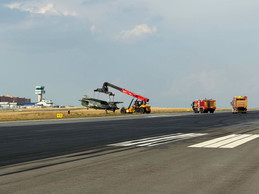
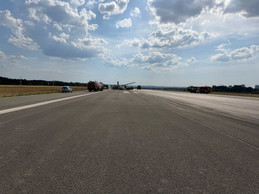
Their response comes a few days after the incident that took place on Sunday 21 June at Lux-Airport. Shortly before 5 p.m., a privately-owned Antonov AN-2 dating from 1968 sustained significant damage during a failed landing. According to the Grand Ducal Fire and Rescue Service (CGDIS), the aircraft spun round before coming to a halt at the edge of the runway. The 12 people on board escaped unharmed and the fire brigade removed the aircraft using a container forklift. Less than three hours after the incident, the runway was operational again.
Whilst the consequences were limited, the incident has reignited questions about the coexistence of commercial and general aviation. The CEO of Luxair, 
Two opposing views
In an interview with L’Essentiel, the CEO of Lux-Airport, 
Both organisations dispute this view. The AOPA refuses to accept that general aviation should become “the sacrificial lamb of a growth strategy designed almost exclusively for major commercial operators”. It believes that an isolated incident, however serious it may be, cannot be used to call into question an entire sector. The organisation also believes that the debate is focusing on small aircraft whilst ignoring the impact of cargo traffic, which is nevertheless central to Findel’s business model. It goes so far as to suggest that commercial operators could also explore other development options, particularly at Metz-Nancy Lorraine Airport.
Not just a “variable for fine-tuning”
Beyond this concern, the two organisations put forward an economic and strategic argument. They point out that general aviation is the first link in the aviation chain. “Pilots don’t just fall from the sky,” sums up the AOPA. Future airline pilots are first trained at flight schools and flying clubs before joining airlines. According to the organisations, undermining this sector would ultimately weaken the entire Luxembourg aviation ecosystem.
The FAL has adopted a more conciliatory tone, but shares the same assessment. It calls for the preservation of “a balanced, safe and coherent aviation ecosystem” and also rejects the idea that general aviation should be regarded as merely an “adjustment variable”. The federation is calling for a comprehensive review of the country’s infrastructure and cites the reactivation of the Noertrange aerodrome as a complementary approach to supporting the development of light aviation.