A company can start using artificial intelligence without launching a dedicated project. All it takes is for a supplier to add a feature to software already in use and for staff to start using it. If this tool ends up processing sensitive data or affecting an essential service, the board must be able to ask senior management who controls its use and who can suspend it.
EY Luxembourg organised “The Boardroom in Transition” in collaboration with the Luxembourg Institute of Governance (ILA) on 19 November. This was the first event held by the ILA’s working group on commercial companies. Nicolas Macé and Amedeo Pedini presented the findings of the 2026 Governance Panorama, produced by EY and Labrador Transparency and first unveiled on 2 October. The meeting used this data as a starting point for a discussion that also covered international groups based in Luxembourg and family-owned SMEs.
Uses are described more often than responsibilities
For its 24th edition, Panorama analysed more than 150,000 pieces of public information relating to the 120 companies in the SBF 120, an index of the Paris Stock Exchange. Of these, 84 per cent publish examples of how they use AI. This proportion falls to 58 per cent when it comes to describing a body responsible for overseeing AI within senior management. It stands at 22 per cent for the identification of a board committee with responsibility for the subject. These figures reflect what companies make public. Oversight may also fall to the board as a whole.
Only 9 per cent of companies publish information on AI-related incidents or on the mechanisms for reporting them. The Panorama notes that, for ethical and compliance alerts, 88 per cent state that reports and the results of investigations are escalated to governance bodies. The reports thus describe the escalation of ethical alerts far more frequently than the handling of AI-related incidents.
Digital technology is gaining ground in local councils
In the space of a year, the proportion of SBF 120 companies reporting that they have at least one director with digital skills has risen from 53 per cent to 69 per cent. Financial and sector-specific expertise remain key. According to the figures presented at the meeting, 34 per cent of the 41 new CAC 40 board members identified this year bring technological or digital expertise. Digital technology, cybersecurity and AI also top the list of areas for improvement identified during the boards’ self-assessments, according to the notes from the event.
In the SBF 120, 88 per cent of companies report having introduced ongoing training for their directors. Sustainability remains the top topic covered. Technology, digitalisation, AI and cybersecurity together account for 33 per cent of the training topics identified. During the meeting, the speakers suggested using each company’s specific practices as a starting point to train directors to scrutinise management’s decisions and its contingency plans in the event of an incident.
One hundred days to establish who is responsible
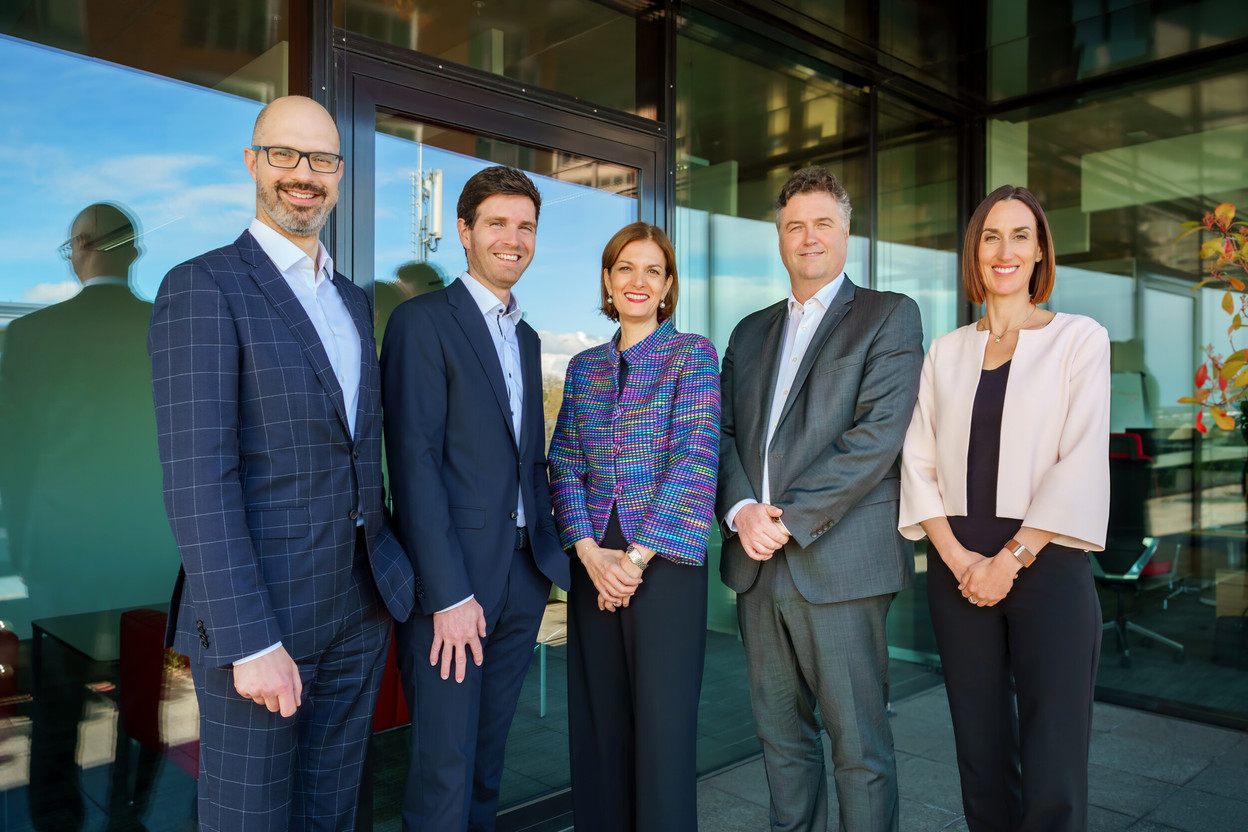
Pierre-Edouard Pouteau and Vincent Bureau, partners at EY France, suggested two starting points. The first involves appointing a manager within senior management, specifying what the board monitors itself or delegates to a committee, and defining the incidents that must be reported to it. The second involves taking stock of current practices, ranging from pilot projects to features built into suppliers’ software and tools that employees adopt on their own initiative.
The programme outlined for the first 100 days then sets out to identify critical uses, agree on an acceptable level of risk, establish a regular reporting framework and train administrators. The discussion also covers investment, supplier concentration, risk coverage by insurers and changes in business lines. One decision sums up the challenge facing the board: if a tool on which an essential service depends produces incorrect results, who can suspend its use and how does the company continue to operate?