On Tuesday 28 June, you presented the first edition of the study for Luxembourg, looking at the attractiveness of various European countries and of Europe in general. How does the image it gives you confirm Luxembourg's potential?

I would like to add that the driving role of the financial centre also emerges from this study, where it is perceived as safe, credible and transparent. This positive perception is due in particular to the work carried out on sustainable finance, with the initiatives of the stock exchange being no stranger to this.
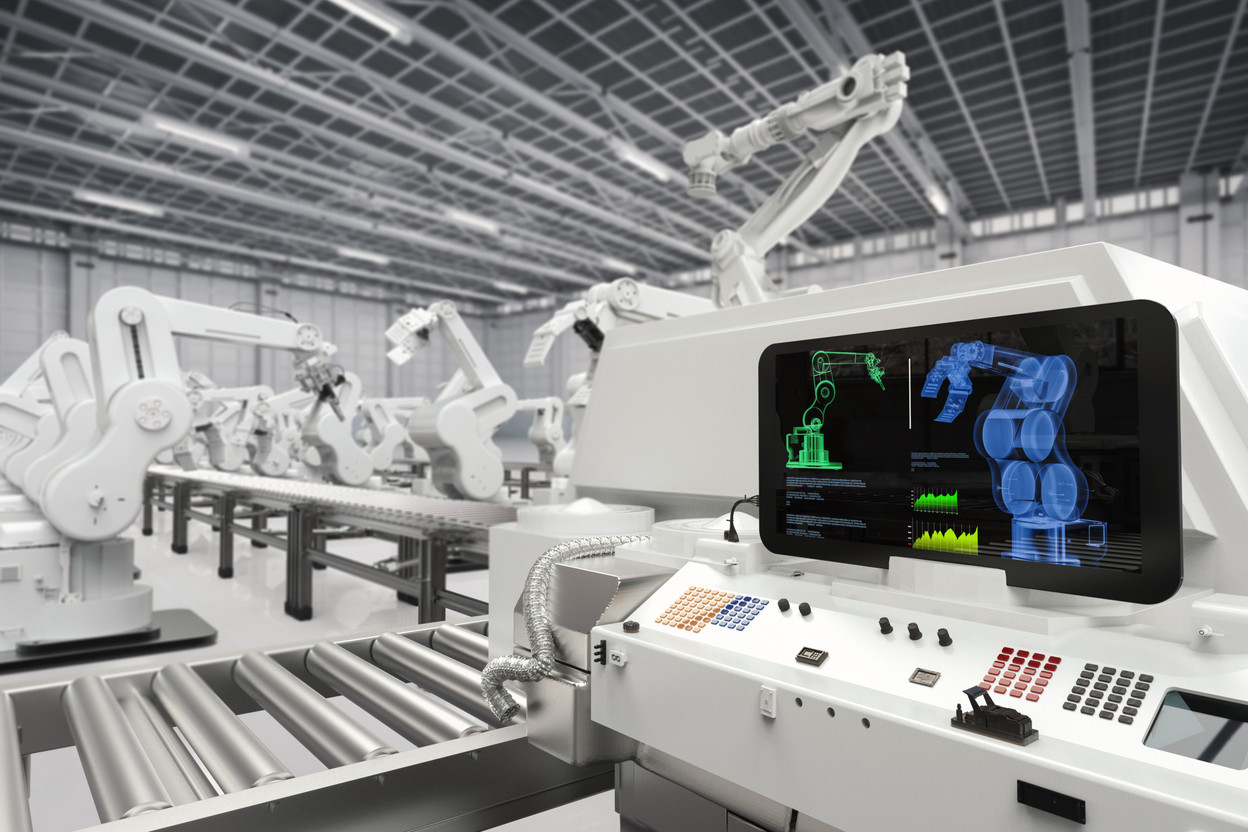
Finally, the country's industrial tradition and logistical assets also confirm its ability to position itself in Industry 4.0, a sector in which foreign investors have rightly told us that they want to increase their presence in Europe.
Conversely, what does the country need to work on to maintain its attractiveness?
Generally speaking--and this applies to every country--nothing is won. In detail, we perceive a certain urgency in terms of talent and taxation, as the two elements are partly linked.
The average income tax rate between 2000 and 2021 increased for all household categories only in four OECD countries, including Luxembourg.

What needs to be in place to continue to attract talent?
As I said, taxation is not unrelated to this issue. In this case, the taxation of individuals, which should be reviewed in the light of international practice. The OECD indicates that the average personal tax rate applicable to a single person earning an average salary represented 34.6% of the gross salary in the OECD countries, whereas in Luxembourg it is 40.2%. The average income tax rate between 2000 and 2021 increased for all household categories only in four OECD countries, including Luxembourg, alongside Mexico, Costa Rica and Japan.
Covid has also led to a series of arrangements related to the greater region, allowing telework. These temporary tax and social security arrangements are coming to an end, so legislation needs to be adapted in a more sustainable way to preserve the flexibility that workers have enjoyed during the pandemic and want to keep. For talent from outside the EU, speeding up the process of obtaining work permits remains an issue that needs to be addressed. Not to mention the issue of housing, which can be a deterrent to expatriate talent.
What about taxation?
Respecting international rules does not prevent us from modernising our tax system in both form and substance. First of all, in addition to the elements concerning individuals, there is a real need to put in place measures that encourage entrepreneurship, energy transformation, digitalisation and innovation. The corporate tax rate also remains a subject of work, knowing that the average rate is 24.94% in Luxembourg, compared to 21% for the OECD countries.
As for the form, we note that taxpayers and investors expect tax administrations to accentuate and accelerate their efforts to digitise, while strengthening the dialogue with these same taxpayers. This dialogue will ultimately lead to greater legal certainty.
Regarding headquarters that we can attract to Luxembourg, the quota of two or even three days of telework per week should not be a deterrent.

What lessons do you draw from the post-covid recovery in investment in production and R&D sites? How can this recovery be transformed into a medium or even long-term dynamic?
Beyond taxation, access to finance remains an element on which Luxembourg could differentiate itself, firstly by facilitating this access, then by devising new ad hoc programmes for companies, for start-ups, targeting the new economy and industry 4.0.
The positioning as a European hub for attracting corporate HQs is an important element for the country. Is it challenged by teleworking?
I don't think so. We are in a mode where the right balance has yet to be found with regard to the practice of teleworking, between the expectations of employees and the imperatives of employers. The national economy has been doing well for several years and continues to do relatively well given the context, but if there is a downturn, the performance of companies will be under even greater scrutiny and I think that telework could be challenged. In any case, regarding headquarters that we can attract to Luxembourg, the quota of two or even three days of telework per week should not be a deterrent.
Should the country finally intensify or better target its promotion to remain attractive?
I don't think we should prioritise promotion efforts, but rather act on the elements that represent potential risks and show tangible elements to foreign investors. It is these elements that will allow them to consider Luxembourg as a credible option for investing in Europe. Our credibility must come from facts, more than from branding.
The EY study is available here.
This story was first published in French on Paperjam. It has been translated and edited for Delano.