Commissioned by the ministry of culture to Ilres as part of the activities of the Observatoire de la culture, this survey on cultural life in Luxembourg highlights the importance of culture in the lives of residents, as well as the challenges associated with access to and participation in culture in their region of residence.
This survey was conducted by telephone and internet between 16 September and 9 October 2024 among a sample of 1,981 people aged 16 and over. Particular attention was paid to the place of residence of these people in order to identify more precisely any differences between regions in terms of attractiveness, cultural offer and access to culture. This regional focus is in line with the current policy pursued by the ministry of culture, which is making a particular effort with regard to the decentralisation of cultural provision.
The last study carried out on this subject dates back to 2009, so it was necessary to update the data. This type of survey is also one of the objectives set out in the Kulturentwécklungsplang 2018–2028 and recommendation no. 47 (“Carry out a survey of the country’s cultural practices, with a periodicity of 10 years”).
The first result is positive, with 82% of residents believing that culture is important in their lives. Overall, 74% of those questioned found their region’s cultural offering attractive. However, attractiveness differs from one region of residence to another with, unsurprisingly, the Centre region showing the highest rate and the north region the lowest.
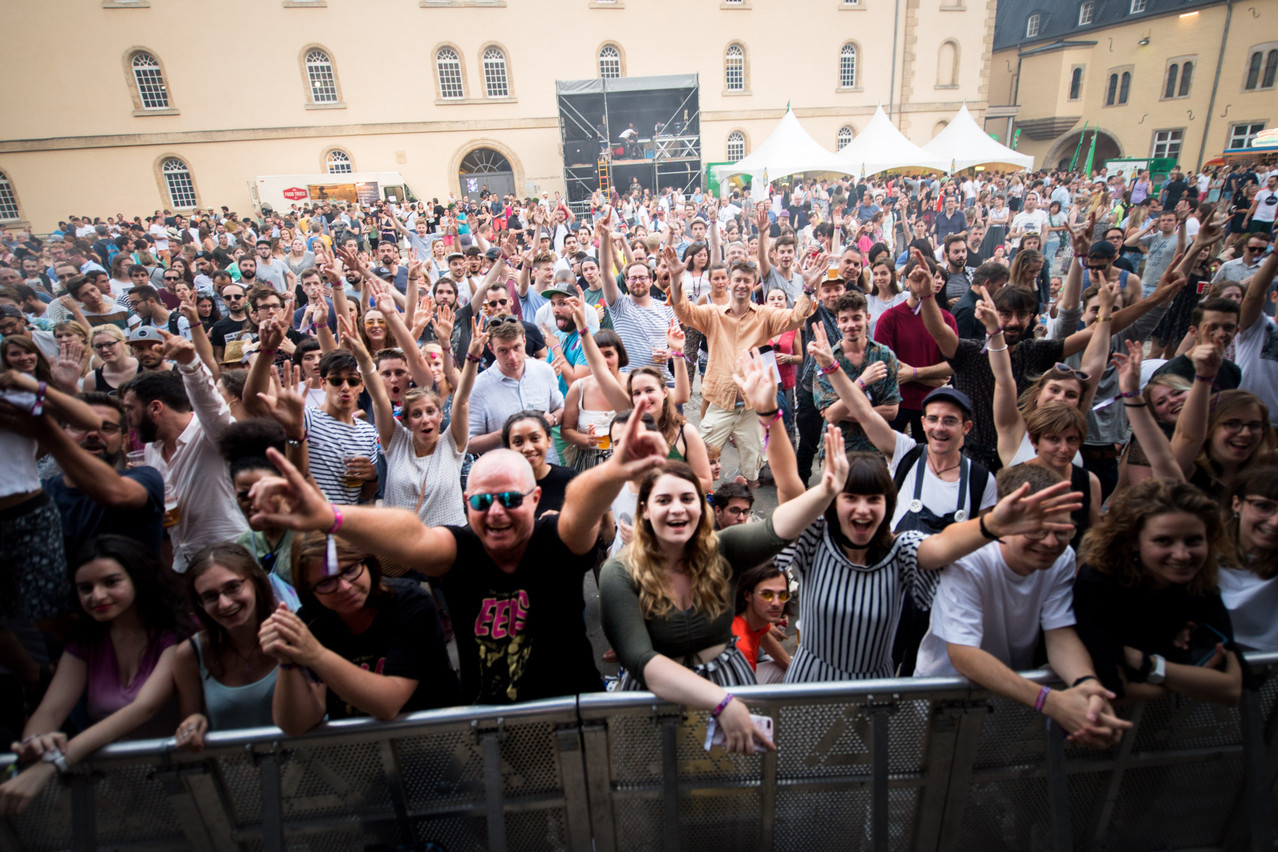
Traditional festivals and historic monuments in demand
The most popular activities over the last 12 months are traditional festivals and street performances (89% of residents have taken part at least once). And 8 out of 10 people have visited a historic site or monument. However, three quarters have attended a concert or music festival and/or gone to the cinema. Museums and exhibitions are also well frequented (72%): it is more likely to be the residents of Luxembourg City (85%) and those who have completed higher education (79%) who have been there in the last 12 months. In contrast, only 36% attended a dance performance and 44% went to see a play.
The weekend is generally favoured for cultural activities, especially among the working population.
Overall, the figures show an increase in attendance at all the cultural venues and events surveyed compared with the 2009 study.
Digital on the rise
Digital practices have also become increasingly important, led by listening to music online (84% of 16–34-year-olds and 81% of 35–54-year-olds), watching films (72%) or series (67%) on platforms (free or paid) and, more surprisingly, reading the press (72%). Podcasts have also found their place among cultural activities, with 46% of those questioned claiming to have listened to them (58% even among 25–34 year olds). Watching a play or taking a virtual tour of an exhibition are less common (20% and 12% respectively).
Better publicise the existing cultural offer
The main challenges identified by respondents for improving the cultural offer in their region highlight three priorities: raising awareness of the existing cultural offer (37%), raising awareness of the history of their region and strengthening the presence of artists (26%).
The main obstacles to accessing culture are a lack of information about what’s on offer (a third of those questioned), a lack of interest in what’s on offer and ticket prices (23%).
The most common means of communication used to find out about cultural offerings are social networks (69% among 16–34-year-olds and 66% among 35–54-year-olds), followed by word of mouth (46%), public posters, online media (43%) and the written press (41%).
In the top three activities that respondents would like to see developed are concerts and music festivals (41%), followed by festivals, traditions and street performances (37%) and exhibitions (25%).
“The data collected gives us a more accurate picture of cultural realities, enabling us to better direct public policies, particularly at the regional level, in order to respond concretely to the needs and expectations of the population,” stressed Culture Minister 
The full study is available online on the ministry of culture website.