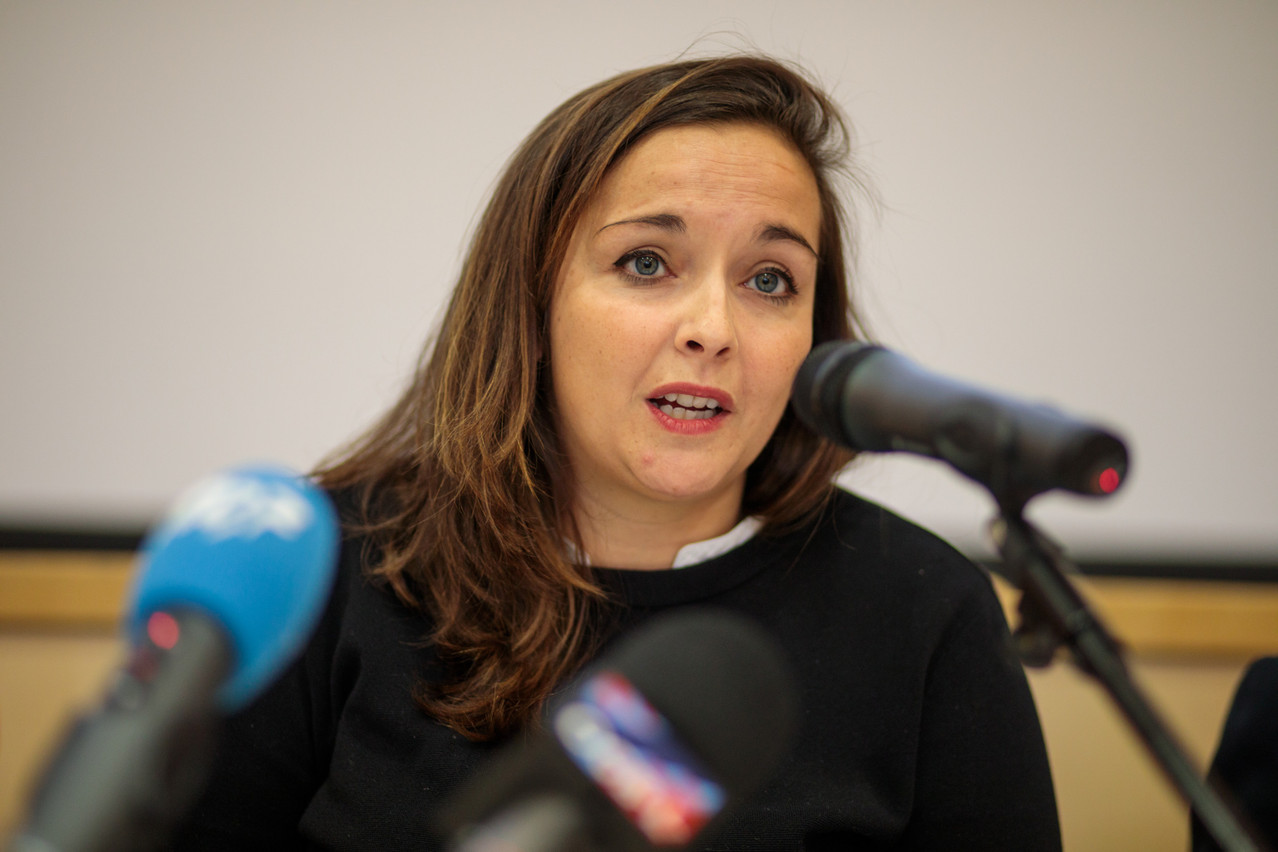
“It’s worrying to see how much time we spend at work! It’s worrying to see how many people are not satisfied!" So said the chair of the Chamber of Employees, 
In collaboration with the University of Luxembourg, the CSL presented a nuanced assessment of workplace conditions and the wellbeing of workers, including cross-border commuters, covering more than 200 questions with a particular focus on work-life balance, teleworking and mobility. All in five languages to ensure maximum inclusiveness.
The survey of 2,732 employees combined telephone interviews and online questionnaires, providing an accurate representation, the lobby group said, of the work experiences of residents and cross-border commuters, including 1,280 employees living in Luxembourg, 544 in France, 509 in Germany and 186 in Belgium.
Work-life balance
According to the CSL survey, the proportion of people wishing to change jobs has risen considerably, from 19% in 2020 to 27% in 2023. “This may be due to working conditions, if they perceive their job as meaningless,” said University of Luxembourg researcher Philipp Sischka.
The study also highlighted a deterioration in certain indicators, notably mental workload and time pressure, which have been amplified by the pandemic. The quality of working conditions index fell from 54.9 to 54.6 (out of 100) in one year (it was 56.2 in 2014).
Some positive aspects remained, such as autonomy at work and cooperation between colleagues, offering glimmers of hope for employees’ professional future.
Read also
Reconciling work and personal life is becoming a headache for many employees. Although the study noted a slight improvement between 2022 and 2023, the trend over a decade reveals a 34.7% increase in work-life conflicts. This phenomenon particularly affects women.
The risk of burnout has risen sharply, from 39.2 out of 100 (compared with 29.4 in 2014). “The burnout score is 33% higher than in 2016,” representing 9.8 percentage points. The study gave a score of 34 out of 100 points for physical health problems--an increase of 32.3% over the last ten years--and a fall in motivation at work (-13.8%). In addition, 13% of workers expressed feelings of depression or risk of depression.
Digitalisation is also causing concern, with 13% of workers expressing a “very strong fear” of losing their job in the next ten years due to digitalisation, a figure that has almost doubled since 2017, when 7% felt the same. “Those who fear the most are managers, as well as IT, communication and technology professionals, who are aware of the changes to come,” said David Buchel, a CSL management consultant. He attributed this “fear” to the influence of the media on awareness of digitisation, which feeds the fear of professional uncertainty.
Originally published in French by Paperjam and translated for Delano