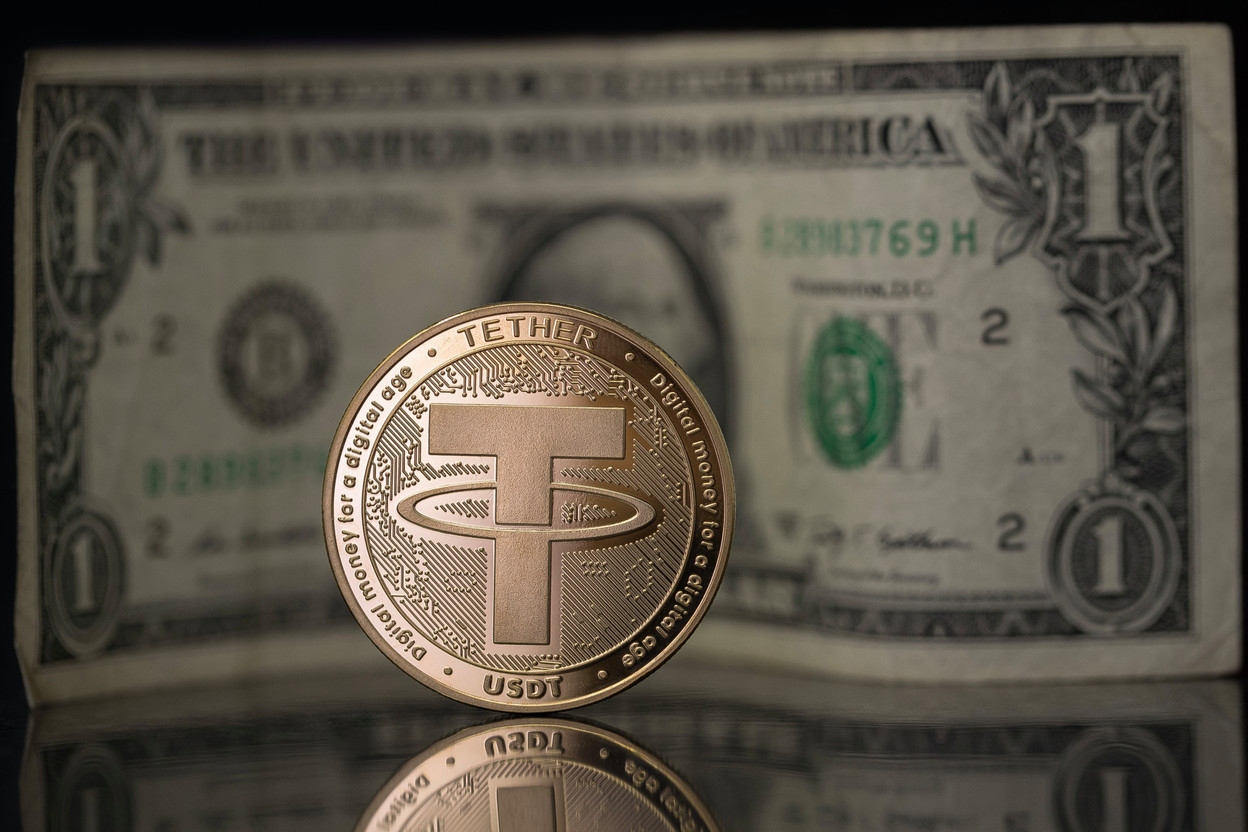
1. A deposit, like a stablecoin, is above all a promise
When you pay for your consumption, part of the amount corresponds to a deposit. This token represents a clear commitment: "Bring back the cup, and we'll refund you 5 euros with the token". A stablecoin is based on a very similar logic: "Deposit 1 euro, and you receive a digital token supposedly worth 1 euro." This is not a speculative mechanism, but a right to repayment.
2. Stability conditioned by a framework and rules
The instruction is only of value if:
- the stand still exists;
- it applies the rules announced;
- it has the funds provided for.
In the same way, the stability of a stablecoin depends on the framework in which it is issued: transparency of reserves, audits, redemption conditions, governance.
Here, the focus is on structure: what makes the commitment credible or not.
3. A deposit that can be exchanged, like a stablecoin
Imagine that someone wants to buy your cup and token because they plan to consume an additional drink. You've then just created a secondary market, where the value depends on supply, demand and anticipated use.
Stablecoins operate in a similar universe, but on an international scale: they trade all the time, sometimes at a slight premium or discount.
4. When trust deteriorates, value can move out of parity
If a rumour circulates that a stand is no longer refunding deposits, the token immediately loses value, even if the official rate remains unchanged.
This is the equivalent of a "depeg" in digital finance: the price of the stablecoin deviates from the value it is supposed to represent because the market revalues the risk.
Here, the emphasis is on collective reaction: trust is measured in exchanges, not just in rules.
5. The time factor: an often underestimated risk
Coming back with your instruction a year later involves uncertainties:
- the amount may have changed;
- the device may have changed;
- or the stand may have disappeared.
Stablecoins present a similar risk: a right to repayment always rests on a private player, whose situation may change.
(This video explains very well, in less than 25 minutes, how stablecoins finance US debt).
And the comparison ends there
But there is an essential distinction: the deposit is local, the stablecoin is global. A deposit is only valid for the perimeter of the market. A stablecoin, on the other hand, circulates without borders, between very different platforms, countries and financial uses. The basic mechanics remain comparable, but the scale - and therefore the stakes - are greater.
(Note to reader: and if you didn't understand the first time, take a second Glühwein. But don't forget that too much alcohol is dangerous for your health.)