Luxembourg’s economy lost momentum at the end of 2025, with gross domestic product slipping 0.1% quarter on quarter in the final three months of the year, leaving annual growth at 0.6%, according to Statec’s Conjoncture Flash published on 24 March 2026.
That was slightly better than the 0.1% recorded in 2023 and 0.4% in 2024, but still well below the 2.5% average annual growth seen over 2010-2019. The national statistics bureau had previously forecast 1.0% growth for 2025 but now warns that its 1.7% projection for 2026 could be revised down as geopolitical tensions, higher energy prices and the risk of a fresh inflation shock darken the outlook.
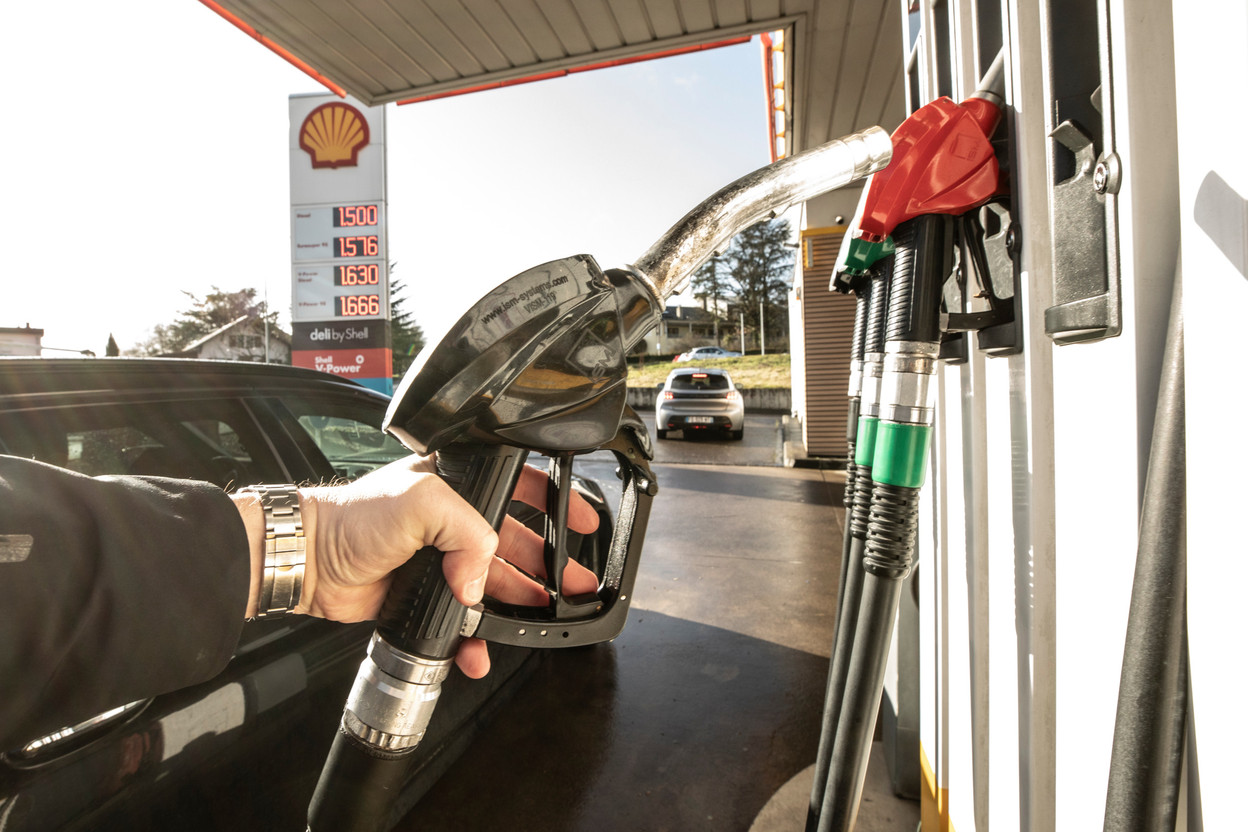
Statec argued that the conflict has already pushed up oil and gas prices, in part because of the closure of the Strait of Hormuz. Brent crude has traded above $100 a barrel since mid-March, a level not seen since 2022 when Russia invaded Ukraine. Statec warned that a prolonged rise in energy prices could lead to significantly higher inflation and weaker activity. Fuel prices in Luxembourg have already moved sharply higher.
Funds and banks
Luxembourg’s funds industry still expanded in 2025, with assets in undertakings for collective investment rising 6.5% year on year, according to Statec, citing Luxembourg Financial Sector Supervisory Commission data.
The increase came mainly from stronger net issuance in bond and money market funds, helped by lower interest rates, and to a lesser extent from equity funds supported by stronger markets. But Luxembourg lost ground to Ireland, where net issuance reached €436bn against €244bn in Luxembourg. Ireland’s share of European assets under management rose 0.5 percentage points to 22%, while Luxembourg’s fell 0.3 points to 25%.
Statec added that market falls in March 2026 should weigh on both valuations and net issuance by the end of the first quarter.
The banking sector also came under pressure. Net profit at Luxembourg banks fell 5.4% in 2025, or 3.6% excluding provisions and taxes, mainly because of lower interest margins. Since rates started to fall in mid-2024, banks’ interest margin has declined 3% year on year, though it remains twice as high as in 2021. The margin rate has increased from 0.15% to 0.30%.
Employment and wages
Employment growth in Luxembourg strengthened in the second half of 2025, bringing the annual increase to 1.2%, compared with 0.7% in the euro area. Statec attributed the improvement mainly to non-market services, particularly health, and to a less severe downturn in construction.
Weakness remained in several sectors. Trade, transport, hospitality, information and communication technologies, and to a lesser extent finance, all lost momentum. In ICT, employment declined in 2025, a first for Luxembourg since 2003 after average annual growth of 4% since then.
Labour cost growth also slowed at the end of the year. Average labour costs per person rose about 4% year on year in the fourth quarter of 2025, down from 5.4% in the previous quarter, according to Statec’s preliminary data.
For 2025 as a whole, average labour costs rose 4.4%, after 3.5% in 2024. Statec estimated that about 40% of the increase reflected the index tranche in May and autonomous wage rises, while around 20% came from the rebound in employer social contributions after their temporary cut in 2024. Statec maintained its forecast for the next indexation in the second quarter of 2026.
Energy shock and inflation fears
Statec’s strongest warning concerns inflation. It argued that the closure of the Strait of Hormuz has already pushed up prices for energy and other essential goods in March.
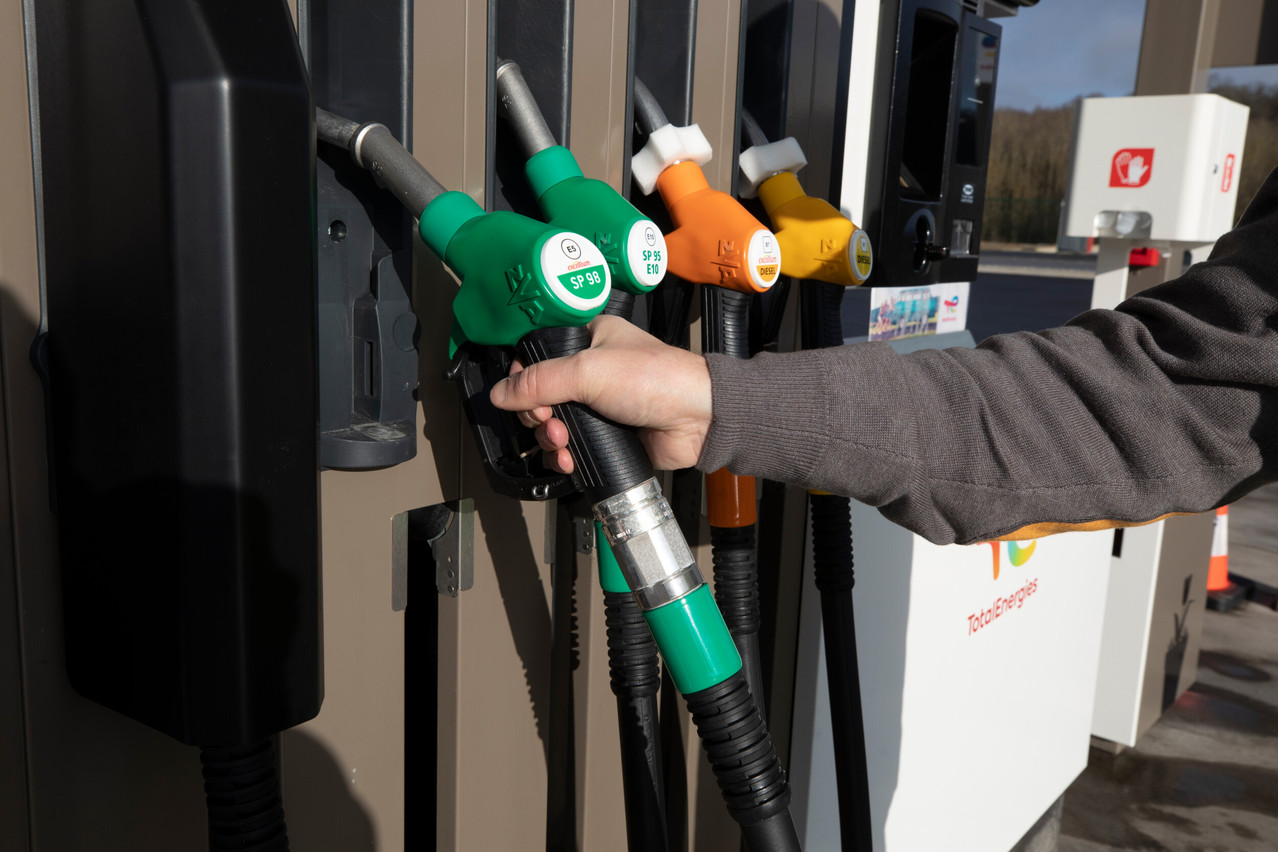
Since the end of February, diesel prices in Luxembourg have risen by about 37%, or €0.54 by 21 March, while petrol 95 has increased by about 16%, or €0.24. Statec warned that further pressures could pass through to inflation with a lag.
Nearly one-third of global fertilisers transit through the strait, and urea prices have already risen 30%, which Statec expects will feed into agricultural costs and then food prices. During the 2021-2022 energy crisis, food prices in Luxembourg rose with a lag of about one year.
The bureau also pointed to rising semiconductor prices, linked to damage to helium facilities in Qatar, one of the world’s main producers.