Looking back, what events have had an impact on the way your company manages risks? What were the consequences on the overall strategy?
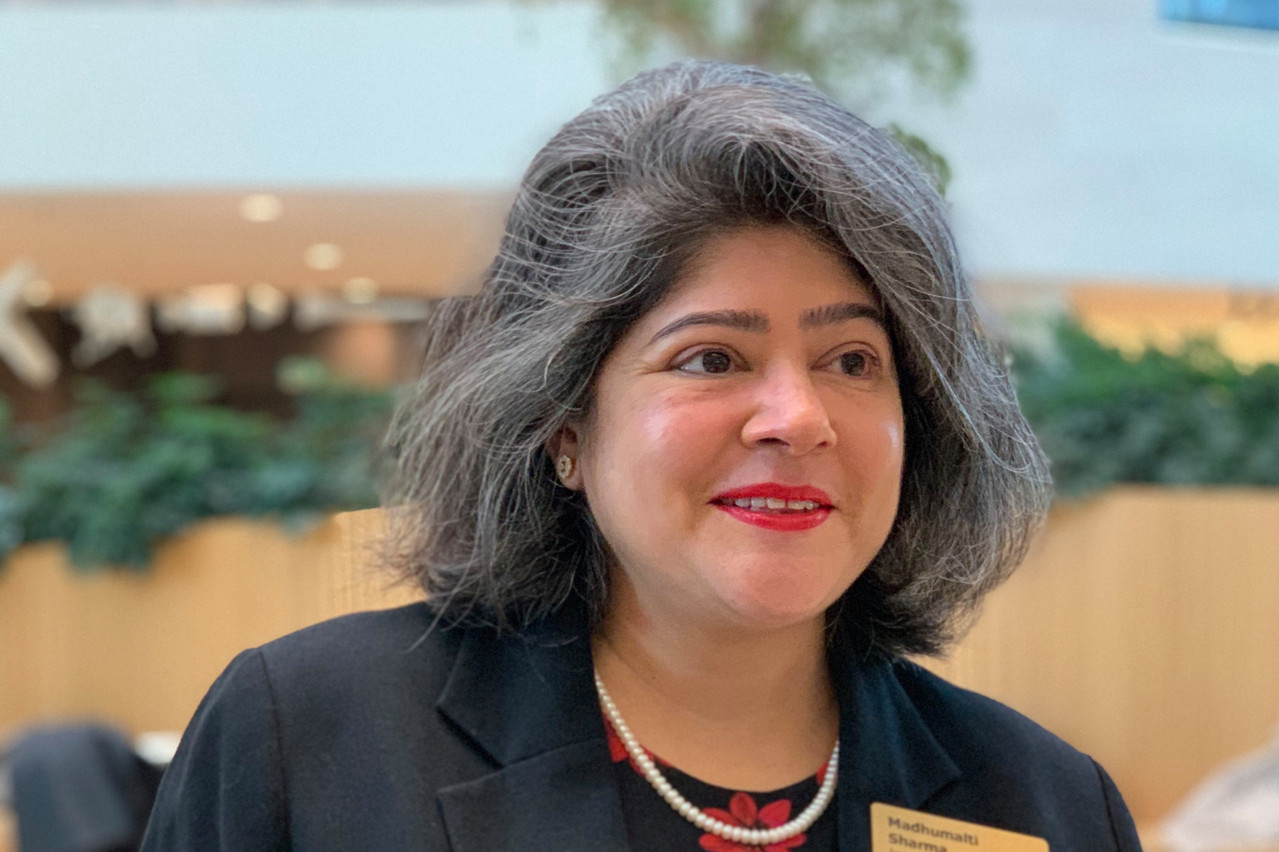
Madhumalti Sharma: The following three events had an impact on how we identified and managed the risks of the innovative business model we introduced:
i) we noticed that children feel stressed while preparing and going to school while feeling happy going to movies or playground or visiting friends.
ii) we noticed that parents get stressed when they see their children spending time on digital devices
iii) we noticed that digital platforms were increasingly creating and promoting more content on entertainment, comics, etc, and comparatively less on learning. This helped to form our strategy which is reflected in our model of making the problem solvers of the future using coding, robotics, AI and other technology.
How does your company leverage foresight into future trends and potential risks to maintain agility and capitalise on emerging opportunities?
Our company is aware that often any limitation is self-perceived or self-designed. In essence, limitations are simply a reflection of one’s personality. An internal conflict that some human beings externalise to justify what they think or believe. We try to see a situation from an impartial point of view, avoiding or minimising our own bias (or, as we call it limitations) in analysing it objectively. Doing so brings in agility to the thought process and enhances the capability to capitalise on emerging opportunities.
How does your company employ specific strategies to monitor market trends and swiftly adapt to unexpected changes?
There are two ways of monitoring the market:
One, is the traditional approach, under which when is expected to meet the intended client(s) and spend time with them to understand what they want. This is the golden approach, still very useful and we do apply it.
However, we supplement it with our innovative approach, which is
- We try to study the boundaries that have been created to inhibit a customer from having their full experience or the realization of full potential of a client. Typically, these opportunities are hidden in a list of ‘Don’ts’.
For example, when we see a sentence stating--‘Do not take your bikes on the bus or car,’ we immediately get the impression that there is a sizeable market of passengers with bikes and we could offer them a service to travel with their bike.
Another example is when we drive by the motorway and we see a large number of billboards carrying the warning not to drink and drive, we instantly get the message that there is a sizeable market for people under the influence of alcohol who would need an alternative mode of transportation. Maybe a chauffeur service would be a great opportunity to offer there.