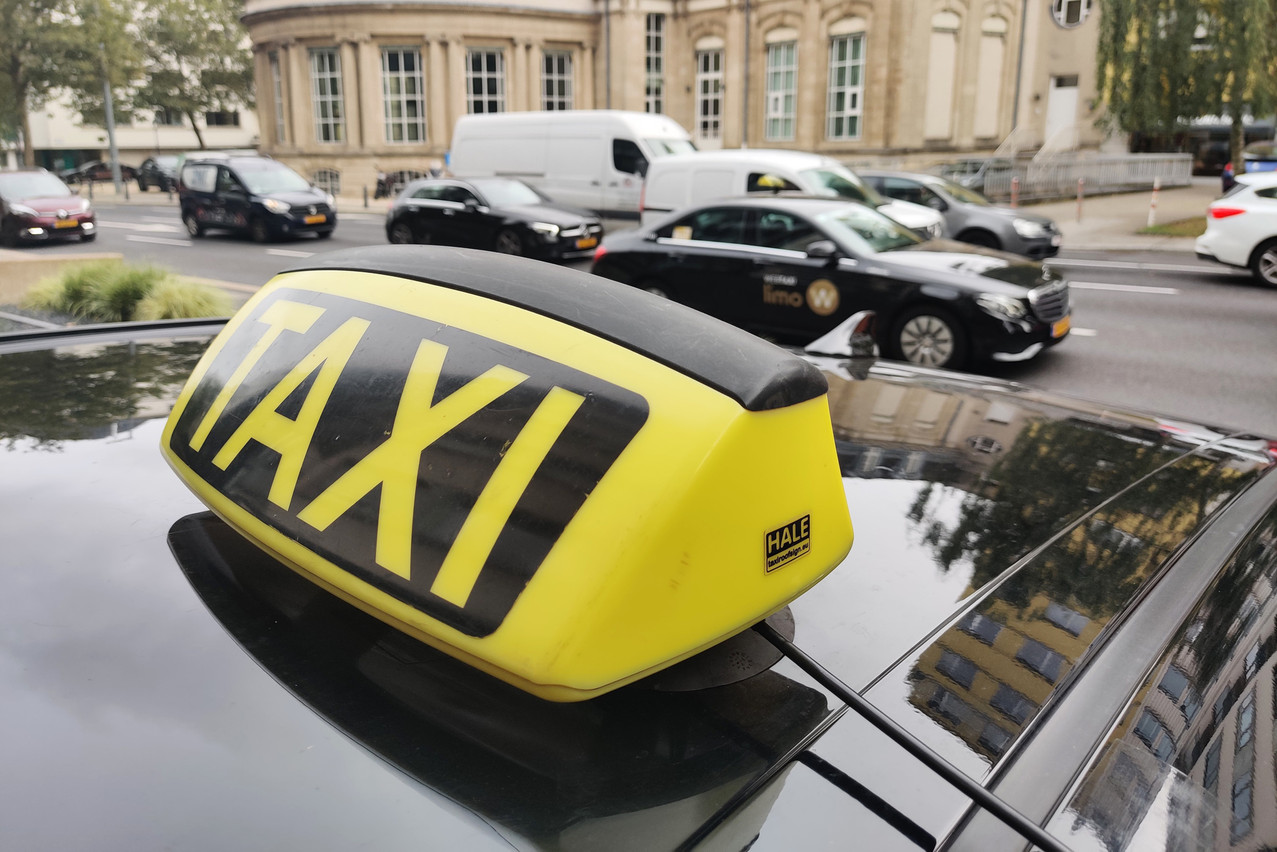
Highly anticipated, the reform of the taxi and hire car with driver (VLC) sector has been drawn up following extensive consultation, says mobility minister 
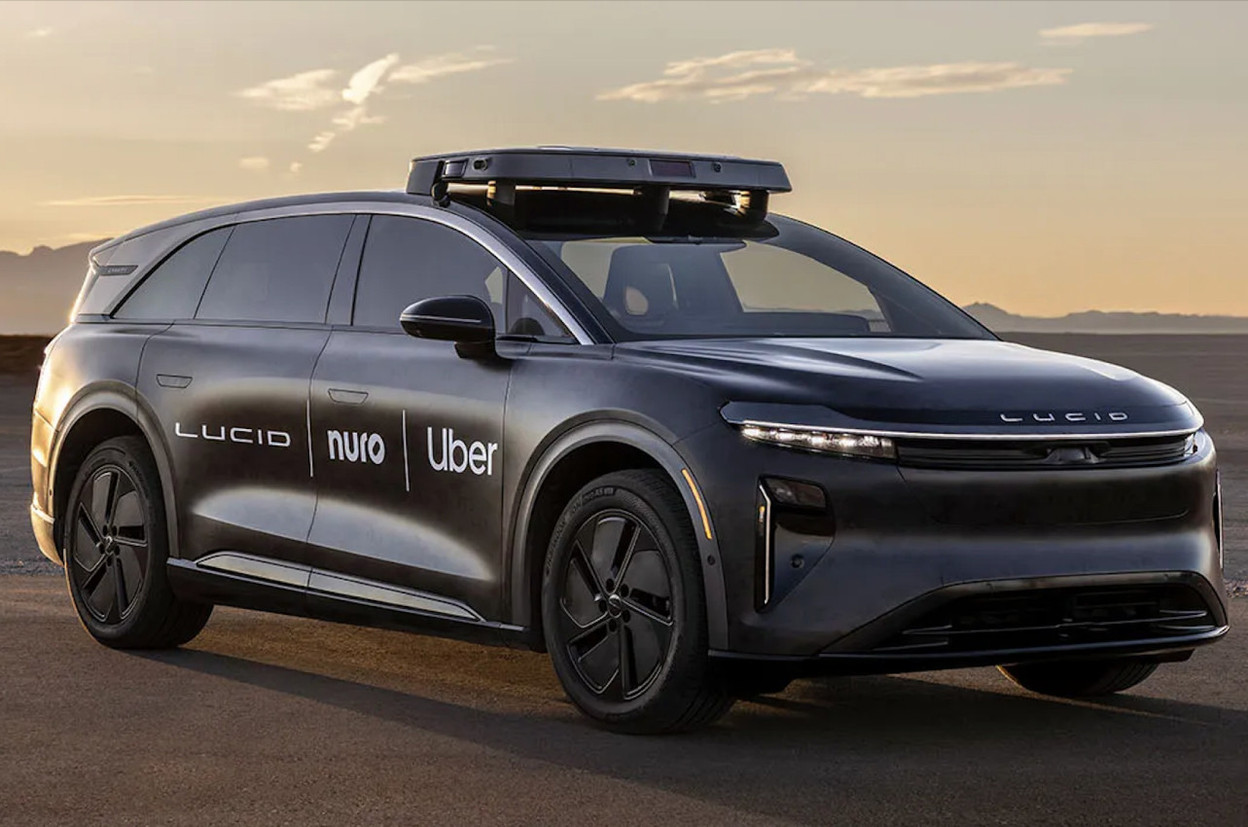
“This reform has been designed in constant dialogue with the stakeholders,” comments Backes. “We have drawn lessons from other countries to avoid abrupt changes and have opted for a gradual implementation, which will guarantee the economic stability of the sector. In the minister’s view, the text should make taxis and VLCs in Luxembourg more attractive, transparent, professional and sustainable, to the benefit of all mobility stakeholders and, ultimately, an overall improvement in travel in the country. While the details will be known in one to two weeks’ time, when the bill is tabled in the chamber, the broad outlines have already been set: integration of VLCs into the same legal framework as taxis, compulsory ministerial approval for booking platforms, and the creation of experimental licences to test robot taxis on the roads.
Taxis and VLC on an equal footing
Preserving the interests of all players: this was one of the government’s central objectives. While taxis and VLCs will be integrated into the same statute, one major difference remains: only taxis will be able to be hailed in the street or picked up at a taxi rank, while VLCs will have to be booked. Booking platforms--such as Uber--will now be authorised. Gone, then, is the policy that forced Uber to join forces with Webtaxi (Voyages Weber) to operate in Luxembourg. It will now be able to operate directly, just like other national and international players. But subject to conditions: compulsory ministerial authorisation, compliance with labour law (including minimum wage) and social protection, and a ban on working with unlicensed operators.
The question remains: can the Luxembourg market accommodate more taxis so that competition benefits customers? For Backes, the answer is yes. By 2030, the system will be completely open, with no numerus clausus. Licences will be allocated in chronological order of applications. In the meantime, a transitional period is planned: 2,050 licences when the law comes into force, 2,450 in 2028, then 2,850 in 2029.
Transparent pricing
User expectations in terms of mobility have been taken into account. “Users want services that are directly available, with no need to book hours in advance, offering flexibility and availability,” says the minister. And above all, transparency and lower fares… be it taxi or VLC, it will be up to the customer to freely choose their mode of transport.
Fares will be harmonised. It will be per kilometre for taxis picked up at a taxi rank or on the street, with the price displayed in real time and a receipt issued. For booked journeys, whether with a taxi or a VLC, prices will have to be communicated in advance and in electronic writing.
Backes believes that this new model will improve competition and help to lower fares. The complaints procedure will be simplified and the administrative and criminal penalties for non-compliance will be increased. Penalties could reach up to €10,000.
Favouring innovation
The project also encourages innovation, in particular by introducing special licences for the scientific testing of new technologies such as robotaxis, “taking into account technical developments and Luxembourg’s desire to become a leader in autonomous driving.” These licences will be valid for one year and renewable twice. The reform also provides for the abolition of geographical zones--there are currently six--which will enable all drivers to operate throughout the country. “This measure reflects the reality of the market and the widespread use of booking applications, and will have no impact on services to rural areas,” says Backes.
Driver training will be stepped up: a compulsory 16-hour training course, structured into four modules (legislation, customer relations, first aid, practical aspects), will be introduced, along with knowledge tests for educational purposes. The cost of this training will be capped at €750, payable by the applicant.
Finally, incentives will be introduced to make the vehicle fleet greener. The annual tax on operating licences will be calculated on the basis of CO2 emissions and capped at €2,500. The age of vehicles will be limited to eight years and the maximum emissions threshold to 250 g/km of CO2.
This article was originally published in French.