The idea of mandating a vaccine is popular in Germany, but it did not find approval within the Bundestag where 378 MPs voted against the proposal with 296 casting a vote in favour. Chancellor Olaf Scholz and health minister Karl Lauterbach are both in support of making the vaccine obligatory for those over 60.
Scholz chose not to bring the proposal forward via his coalition consisting of the SPD, the Greens and the neoliberal FDP, but instead allowed the lawmakers to vote the measures in. This resulted in many FDP members voting against the vaccine mandate, resulting in the motion’s failure to pass.
Following the vote, Lauterbach stated that the fight against covid in autumn has now become much more difficult.
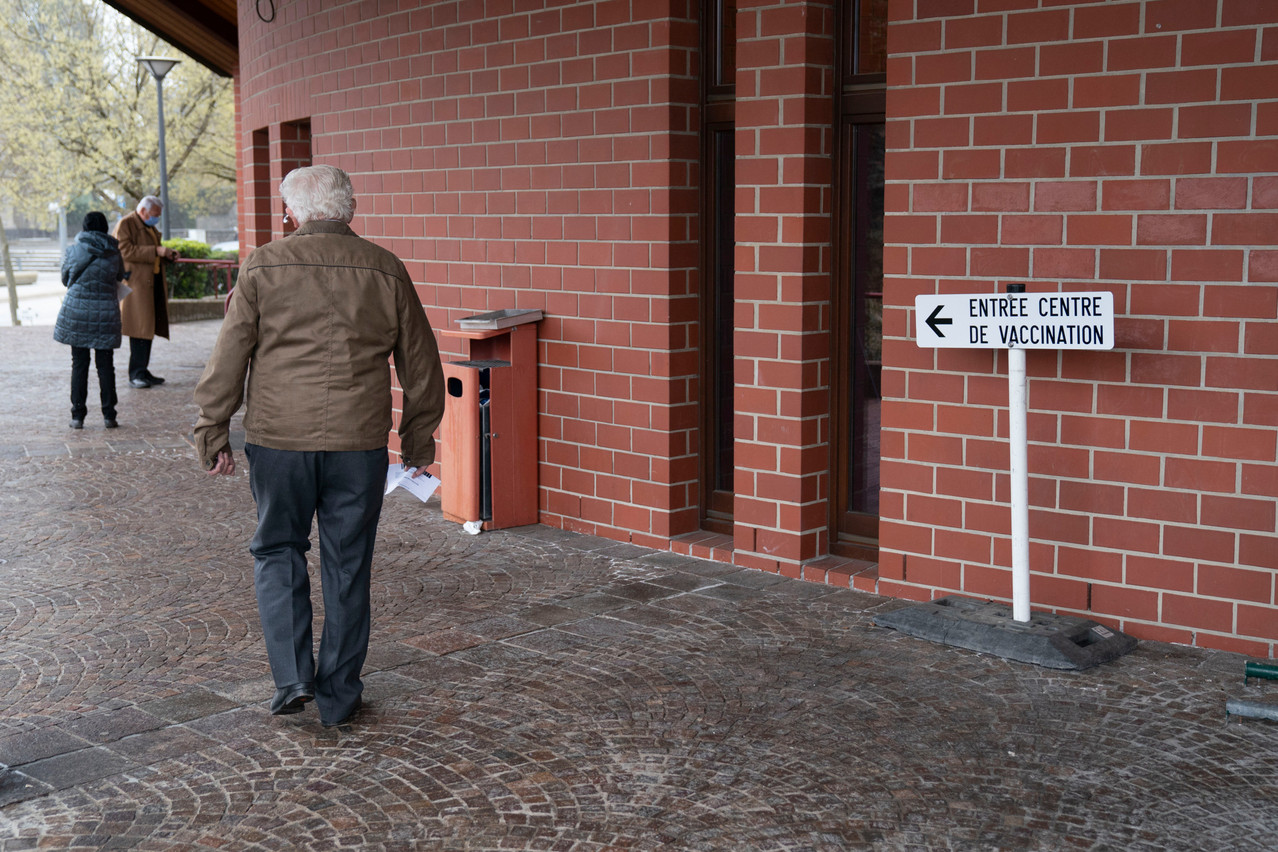
Luxembourg is also in the process of setting up the groundwork for resisting a surge in infections in the latter stages of 2022. In January a motion was passed in parliament paving the way for a mandatory vaccine for those over 50 years of age. Currently the government is awaiting the verdict of a group of five experts which it charged with delivering a report, expected in the coming weeks.
Contacted by Delano’s sister publication Paperjam, one of the five experts doctor Gérard Schockmel said he did not wish to “make a public statement until the report on which our expert group is working has been finalised".
Speaking on 100,7 public radio, justice minister Sam Tanson (déi Gréng) remained coy on the matter, saying the bill on mandating the vaccine is “well advanced but it is needed to see if the vaccination rate is proportionate and necessary in relation to the rates of covid infection”.