The 8% increase announced by 
The Finance Minister had announced this increase on Wednesday 7 October during the presentation of the draft budget in the Chamber of Deputies. He had also announced a 12% increase in excise duty on spirits. Two draft regulations tabled by the government set out the new tax regime for tobacco and energy products.
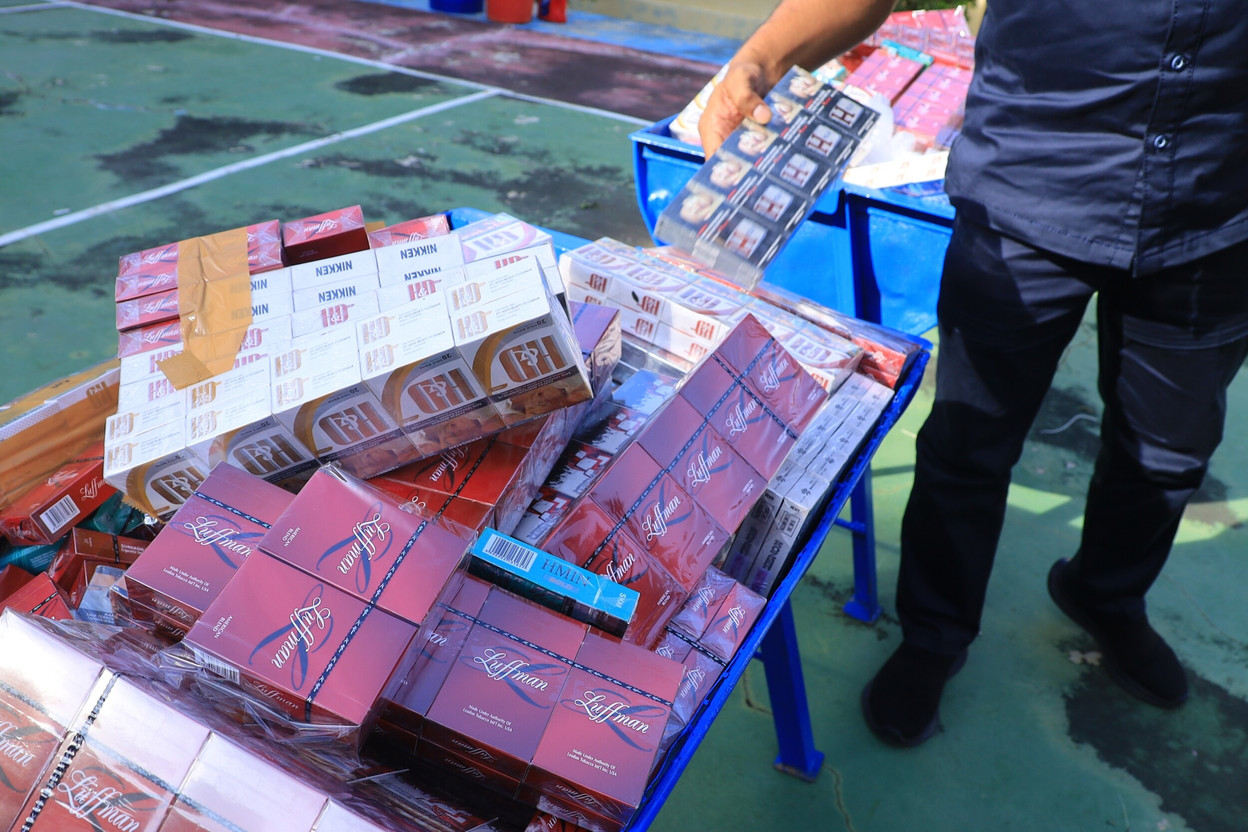
From 1 January 2027, the minimum price of a packet of 20 cigarettes will increase by around 30 centimes. The increase will be 50 centimes for a packet of 50 grams of rolling tobacco and the same for a packet of 20 heat-not-burn tobacco sticks weighing five grams. E-cigarette liquids will cost an additional four centimes per millilitre. A box of nicotine pouches will increase in price by around five centimes, depending on its weight.
For cigars and cigarillos, the additional charge will amount to one euro per pack of 20. The government plans to increase revenue from cigarettes from €970.65m to just over €1.001bn. Revenue from rolling tobacco is set to rise from €565.59m to €598.44m. Revenue from heated tobacco products is expected to reach €6.75m, that from cigars and cigarillos €3.71m, and that from e-liquids €960,000. There is no separate estimate for nicotine pouches in the financial statement. In total, the revenue set out in the document is projected to rise from €1.547bn to €1.611bn. The increase of €64.3m is already factored into the revenue forecast in the 2027 draft budget.
A rise… that won’t bring in any money
The second draft regulation confirms a change that was already planned. The carbon tax will rise from €45 to €50 per tonne on 1 January 2027. This further annual increase of five euros continues the trajectory set since the tax was introduced, when it stood at €20 per tonne in 2021. The measure is not explicitly mentioned in the written text of Gilles Roth’s budget speech. On page 48, the minister merely refers to a climate policy ‘that reduces CO2, and not purchasing power’. The document does, however, state that only the speech as actually delivered is authoritative.
The fact that this increase is not mentioned in the written text does not constitute a change in policy. The Integrated National Energy and Climate Plan had already provided for a review of the tax for the period 2027–2030. The five-euro increase had also been factored into Statec’s latest inflation forecasts.
The increase will apply to all energy products subject to the additional autonomous excise duty known as the ’CO2 tax’. For consumers, this should amount to approximately 1.4 centimes per litre of petrol and 1.5 centimes per litre of diesel or heating oil, including VAT, before rounding. Unlike tobacco taxation, this new increase in the carbon tax is not expected to generate any additional revenue for the State. The government estimates that the rise in rates will be offset by a fall in the quantities sold. Its financial statement therefore presents the overall effect on revenue as neutral.
For motorists, however, the increase will come just as the temporary measures under the Resilienzpak are due to end. Since July 2026, petrol and diesel have benefited from a reduction of five centimes per litre, valid until 31 December. If this discount is withdrawn as planned, the price change on 1 January will amount to approximately 6.4 cents per litre of petrol and 6.5 cents per litre of diesel, all other things being equal. For a 50-litre tank, the difference will be around €3.20.