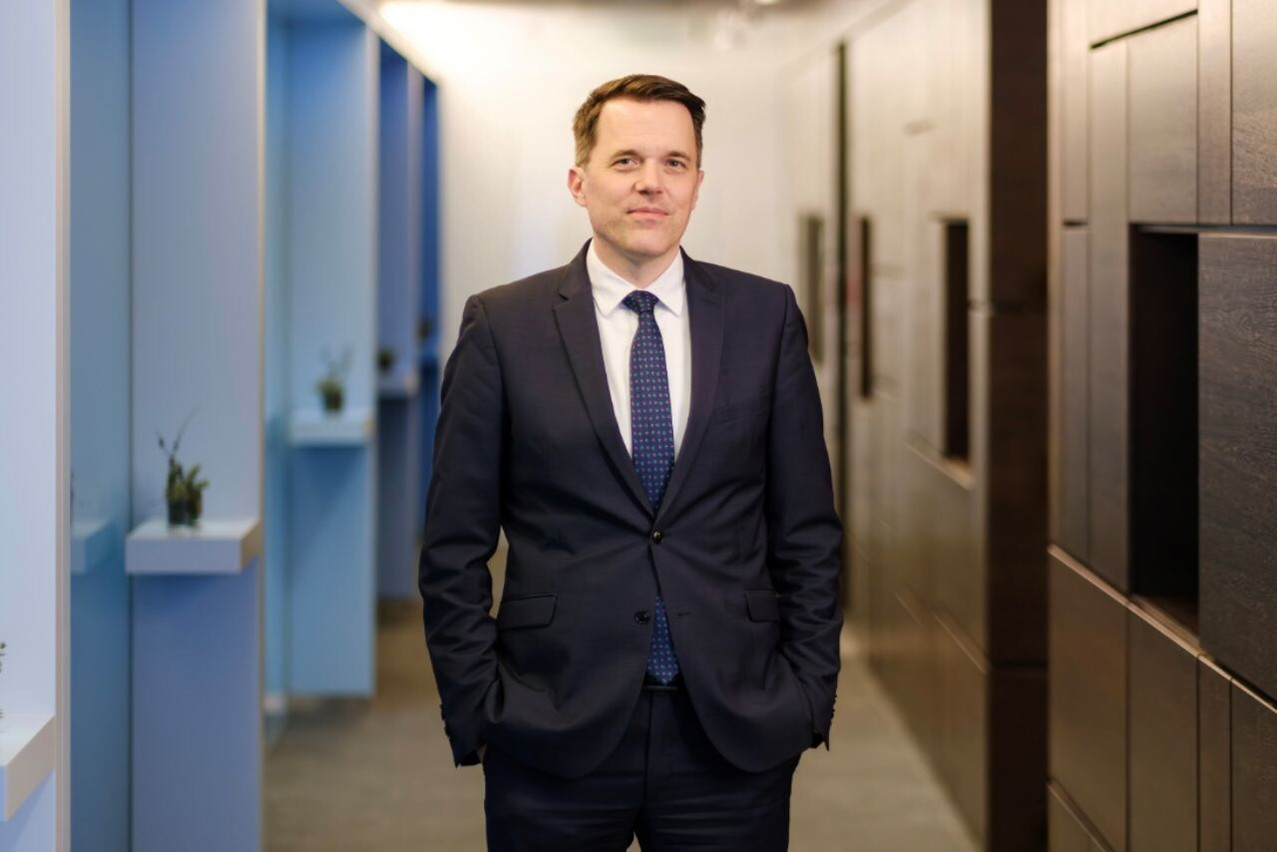
We spoke with Mischa Eckart, head wealth management Luxembourg and Nordics at UBS, to explore these myths and how to overcome them.
Mischa, let’s start with the basics. What’s a common misconception about wealth management that you wish more people understood?

Without a well-structured portfolio built on diversification, disciplined asset allocation, and the conviction to stay the course, even smart investments can undermine broader wealth goals. Often, it’s not one good or bad decision, but a series of reasonable ones that lead to unintended outcomes.
At UBS, we think about portfolio architecture through a core and a satellite: a professionally managed core portfolio that provides discipline and protection against behavioural bias, complemented by a satellite portfolio that allows for personal conviction and opportunistic expression. The ideas matter, but so does the architecture that gives them meaning.
So are you saying that asset allocation is the ultimate performance driver?
“Asset allocation is indeed crucial, but here lies another major misconception. Especially the right strategic allocation drives returns on a portfolio level, but in real-life, wealth needs structure across multiple portfolios and time.
At UBS, we organize wealth into three horizons: liquidity for near-term spending, longevity for sustaining lifestyle over a lifetime, and legacy for what endures for future generations and causes. Mapping portfolios to these dimensions makes decisions more concrete and trade-offs clearer. Portfolios become a living expression of a plan, not just a collection of investments.
Is it the overall wealth plan that is the key to state-of-the-art wealth management?
“To make the picture complete, I would go one step further. Planning is a good starting point, but a plan is only as strong as the purpose behind it. The most important, and often overlooked question is: What is this wealth truly for? What is the purpose of the wealth?
These questions should come first, shaping every plan, portfolio, and investment decision. At UBS, we call this the Wealth Way conversation, and we believe it belongs at the very beginning.”
As the world’s largest wealth manager, UBS is uniquely positioned to guide families and their advisors through these essential conversations.
For more information, visit www.ubs.com/lu/en/wealthmanagement/connect-with-us.html.
A full version of this article is also available in French.
This promotional article was written by UBS Europe SE, Luxembourg Branch as part of the company's membership with the Paperjam Club. If you would like to become a member of the Club, please contact us at club@paperjam.lu.