Behind seemingly very different offerings, what really distinguishes the business models of fitness players?
Yves Marchello. - Each model is based on a very distinct logic. Low cost is above all a volume model. Its profitability depends on economies of scale: controlled rents, high accessibility and a large number of members. But this model requires flow. Without volume, it doesn’t work.
The intermediate segment, on the other hand, has to create value elsewhere than in price. A machine is still a machine. What justifies a higher price is the support, the follow-up and the quality of the experience offered. Without that, the difference with low cost disappears.
Is there a demand for each of these models?
“Luxembourg is a large and diverse enough market to accommodate all these segments. But what’s interesting is the porosity between the models. Many start with a very accessible offer, discover the practice, then look for more support. Some go further, testing more exclusive concepts, before sometimes returning to a more balanced formula. Conversely, some offers also attract people for reasons other than sport. In some clubs, the social and professional dimension plays an important role. In these cases, the venue becomes a place to meet people and network.
Where does Jims stand in the market today?
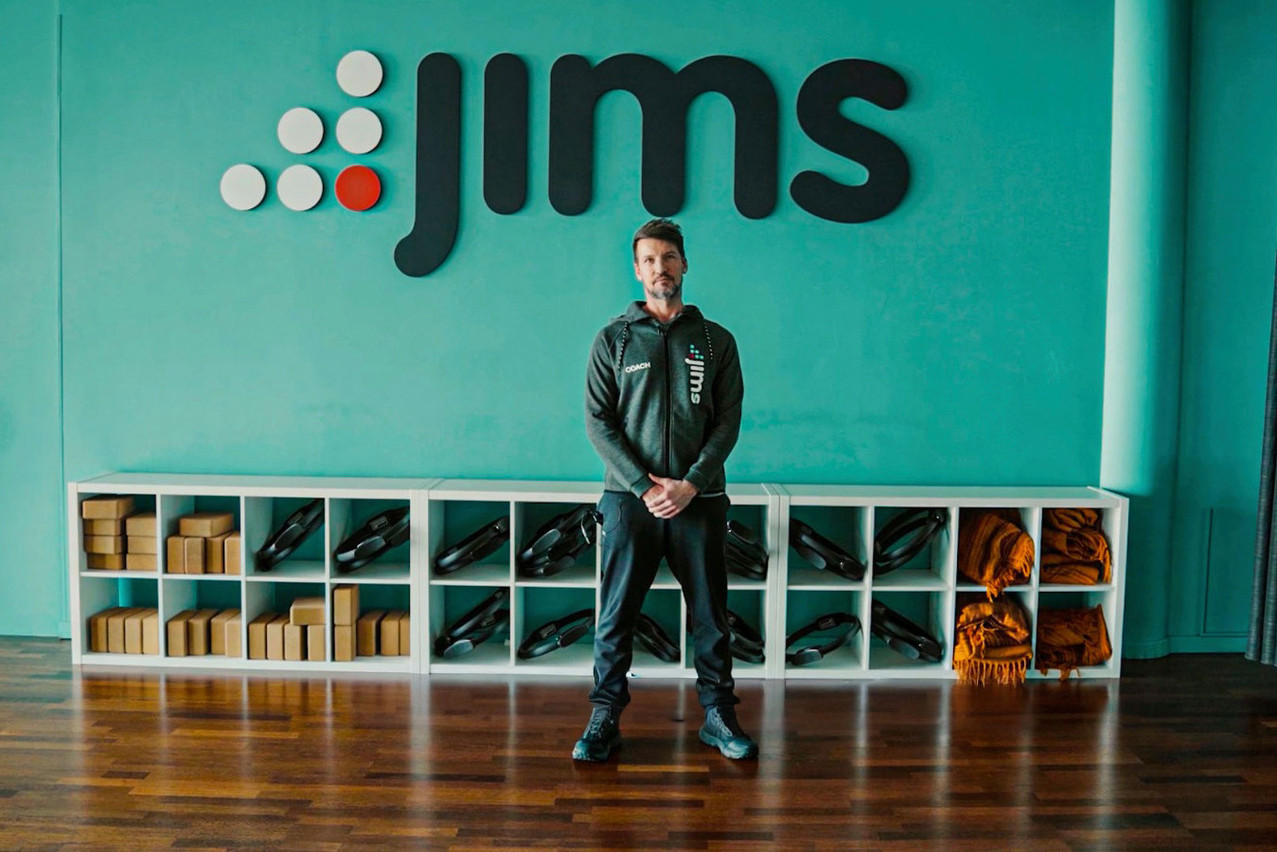
“Jims is positioned in an intermediate segment. The aim is clear: to offer a level of service close to the top end of the market, while remaining accessible. Subscriptions range from €49.99 to €89.99 every four weeks. In terms of price, we remain competitive. In terms of quality of service, we are moving towards much more premium offerings.
At first sight, paying 80 euros a month for simple access to machines may seem excessive. But the perception changes once the subscription includes structured, ongoing support.

From the customer’s point of view, what can justify paying more for a gym?
“It all depends, in reality, on what the advertised price covers. At first sight, paying 80 euros a month for simple access to machines may seem excessive. But the perception changes when the subscription includes structured, ongoing support. At Jims, the added value lies mainly in the support. Individualised follow-up, programmes adjusted over time, regular measurements: the offer lays claim to a methodology and the constant involvement of the coaches, whereas other gyms are content to make infrastructure available. This approach is complemented by a multi-disciplinary dimension. Within the same club, members can practise a variety of disciplines (fitness, CrossFit, combat sports, Hyrox, yoga...), each supervised by specialists.
What strategic choices do you make to ensure the solidity of your business model today?
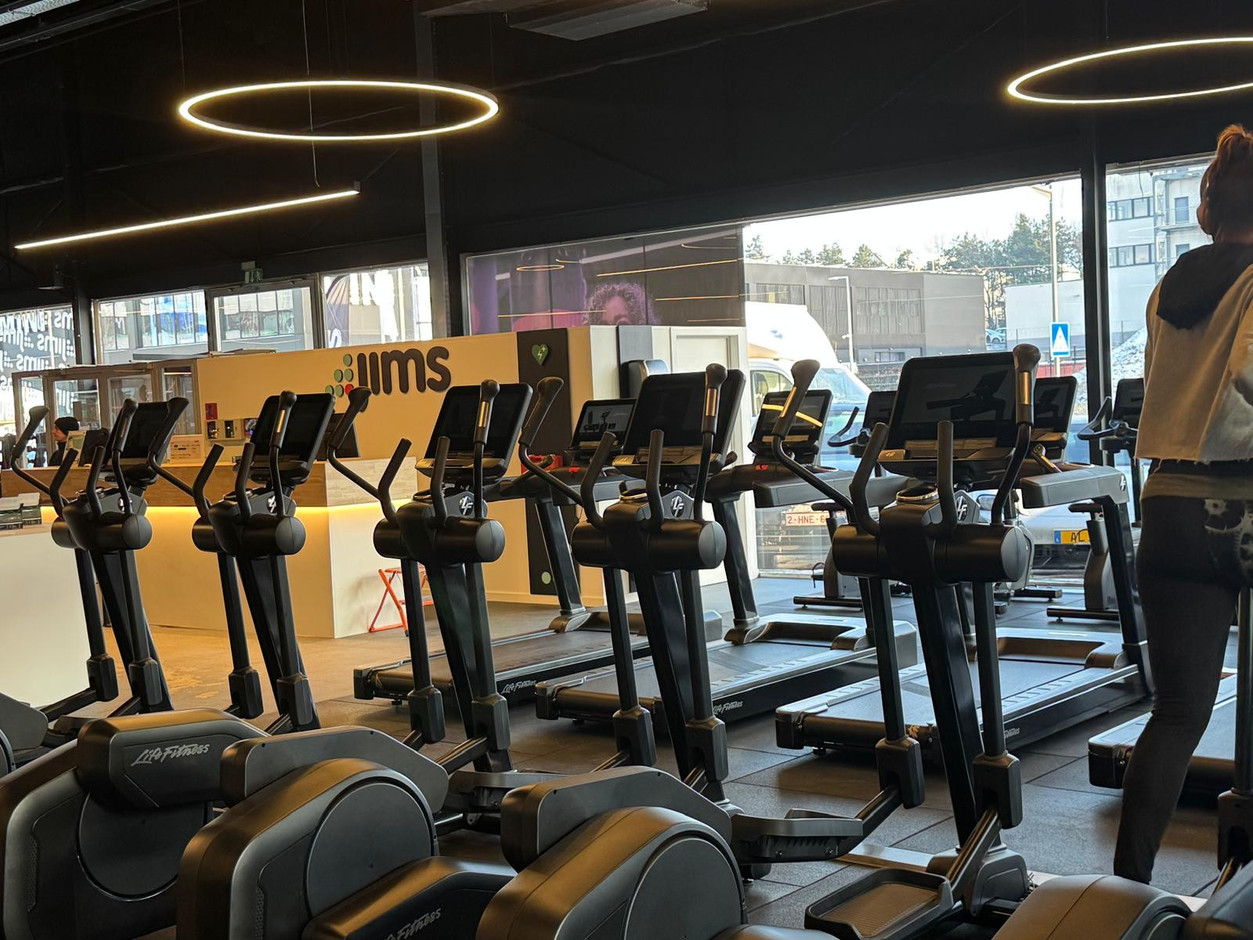
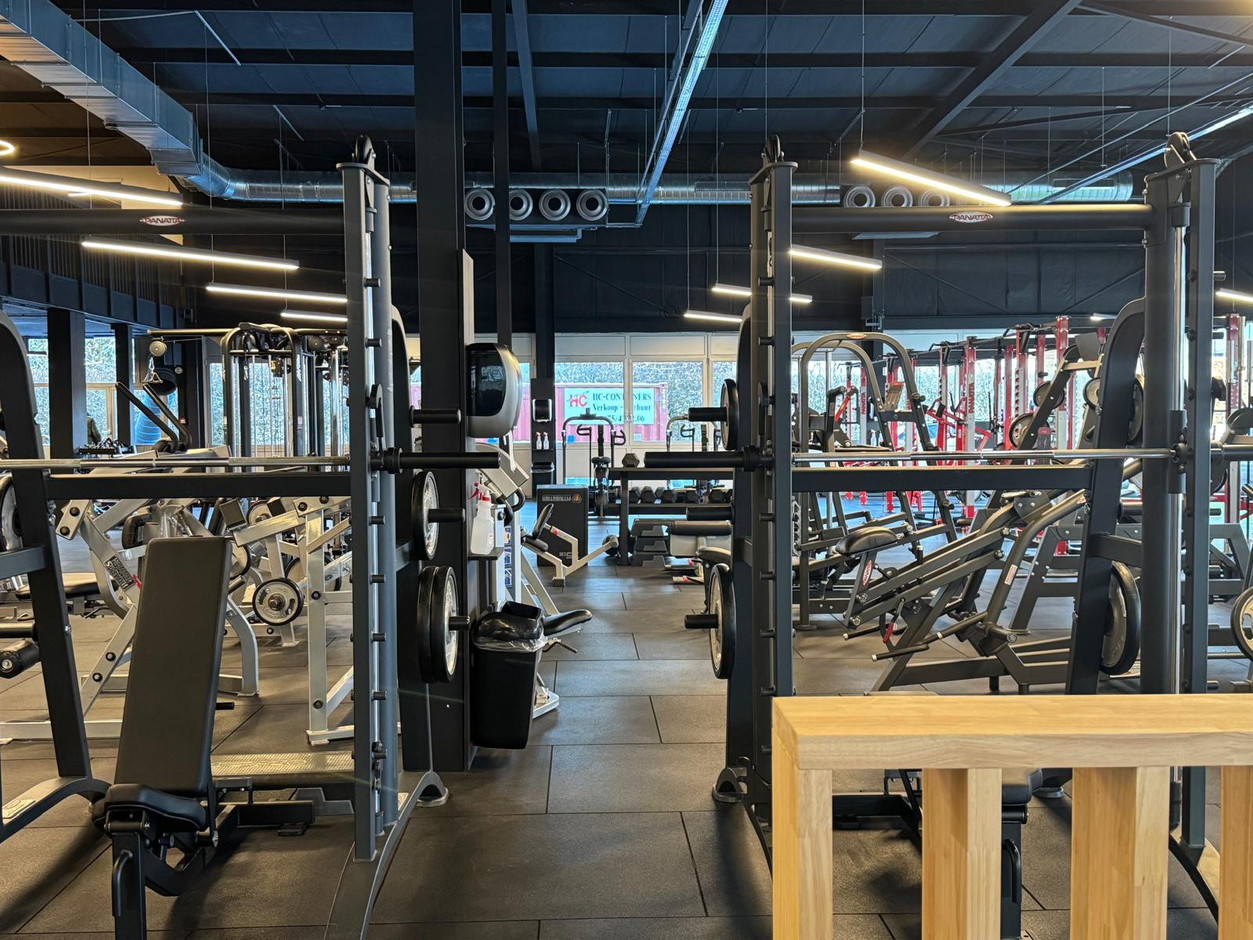
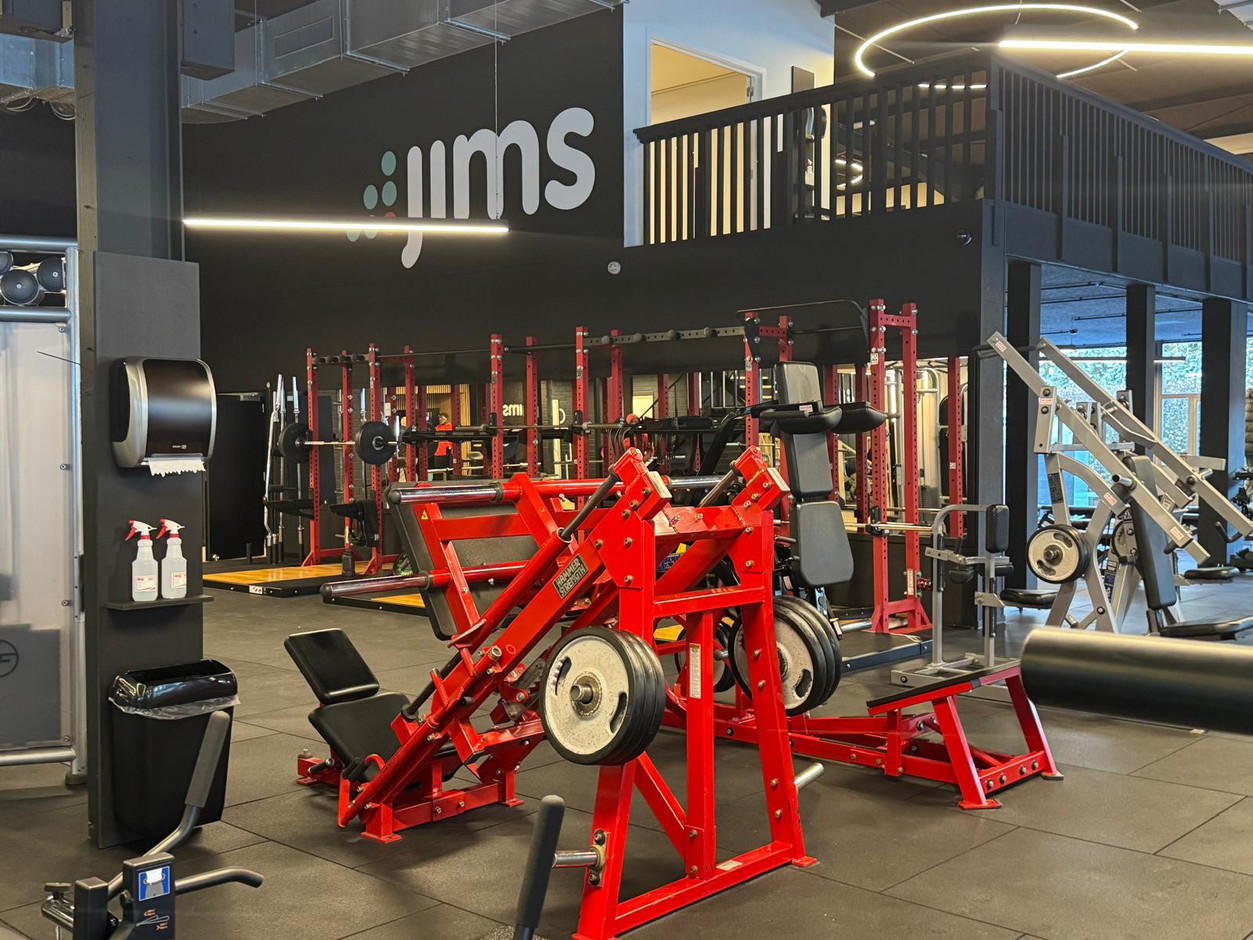
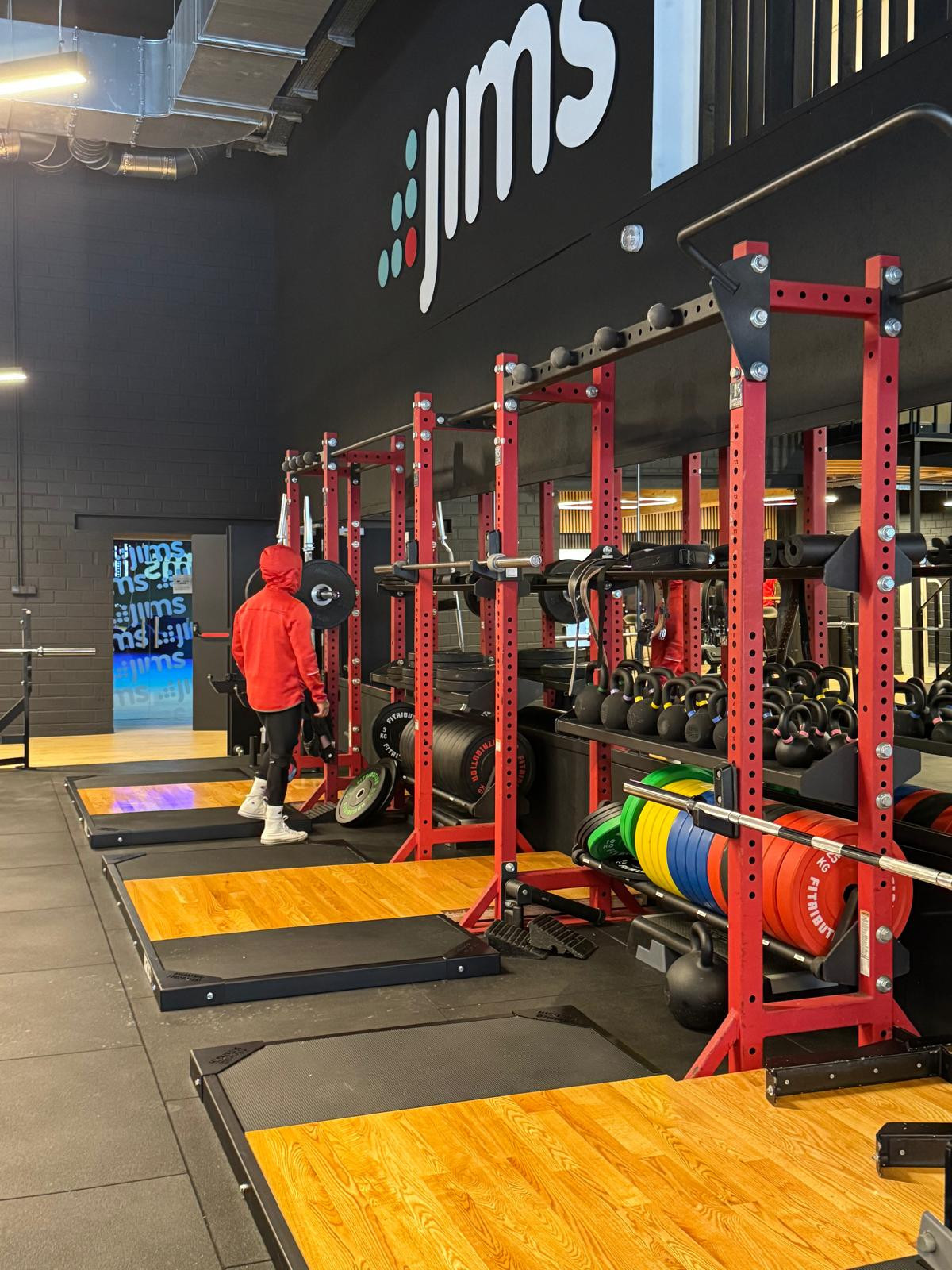
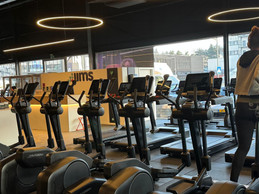
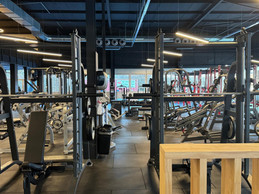
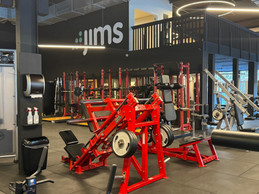
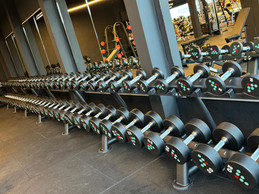
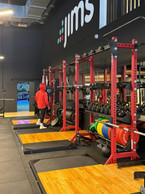
“As in any business, everything is based on a balance between income and expenditure. What makes our model so solid is the constant reinvestment in our clubs. We don’t let our infrastructure age. The venues are regularly renovated, modernised and redesigned. At Beggen, for example, the ten-year-old club has been completely redesigned, with substantial investment. The same logic has been applied at Gasperich, and other sites will follow. By maintaining a high level of quality, we are preserving the appeal of our clubs and the commitment of our members over the long term. Rather than diversifying at all costs, we are investing in the core of the model.
What is the profitability horizon for a new club after it opens?
“A club generally reaches maturity after three years. This is the time when it finds its rhythm, both in terms of attendance and the organisation of its offering. Profitability, on the other hand, varies greatly depending on the location. Some clubs achieve this quickly, while others take longer, depending on the area, the competition and the customer profile. Renovations, on the other hand, do not follow a fixed timetable. They are triggered by usage and the state of the premises. As soon as necessary, we intervene to maintain the level of quality.
How do you decide to open a club in one location rather than another?
“This is a central issue in Luxembourg, where the main constraint remains the level of rents. Since the creation of Jims in 2013, we have opened an average of one club every two years. This pace reflects a deliberately cautious approach. Each location is analysed at length. First we look at the catchment area, the density of residents or workers, accessibility and the availability of parking, but also the quality of the property. If all these criteria don’t line up, we don’t go.
Which areas of the country are you now focusing on for future locations?
“The south of the country clearly remains an area to strengthen. We currently only operate one club there, even though it has great potential, both in terms of population and economic activity. The airport area is also an interesting focus. It is home to a large number of companies, a significant flow of workers and is strategically accessible, making it a naturally attractive sector for our model.
Is technology playing an increasing role in your offering and, if so, in what direction?
“We recently tested a new concept at Beggen, based around automated machines. The system’s entry point is a complete body scan of the customer: body composition, strength level, joint mobility, cardiovascular capacity, etc. Using this data, the system automatically generates a personalised training programme based on the individual’s abilities. In practical terms, from the very first session, the athlete knows exactly what loads to use on each machine. Initially, we thought that this tool would be particularly useful for rehabilitation programmes. But in reality, it’s aimed at a much wider audience, looking for clear reference points and more precise support from the outset.
Low cost will continue to strengthen, the middle market will need to assert its added value even better and boutique concepts have strong growth potential.

Do you want Jims to evolve beyond traditional fitness?
“We’re increasingly working on the borderline between physical activity, support and health. In Belgium, Jims already works closely with physiotherapists who are directly integrated into the clubs. It’s an approach that we now want to adapt in Luxembourg. In the same spirit, we are watching with interest the ‘Move for Health’ programme, also developed in Belgium. It is aimed in particular at people recovering from major treatments, such as cancer. Working with doctors and healthcare professionals, we offer supervised programmes that enable people to resume physical activity gradually and safely. This is an important area for us to look at, because it illustrates a broader ambition: to go beyond simply getting fit and put our clubs on a long-term footing in terms of health and prevention.
What major developments do you see taking place in the fitness market in Luxembourg over the next few years?
“The sector works in cycles. Twenty years ago, the market was largely dominated by intermediate offers. Then low cost took over, relegating the rest to the background for almost a decade. Over the last five or six years, the balance has shifted. Today, the different models are once again coexisting, and this coexistence is, in my view, the structuring trend of the next few years.
Low cost will continue to strengthen, the middle market will have to assert its added value even better, and, in Luxembourg in particular, boutique concepts have strong growth potential (boutiques refer to premium fitness concepts, small in size, specialising in a specific discipline or support, focusing on personalisation, the customer experience and top-of-the-range equipment, editor’s note).
The reason is quite simple: rents. Today, it is becoming extremely complicated to find space in the 1,500 to 2,000 square metres range. Conversely, more compact and highly specialised formats are better suited to this real estate constraint. With the democratisation of fitness in the country, the model of specialised boutiques will logically develop. We’ve already seen an acceleration over the past year, but the market remains open to new players and new brands.