Comparable to the customer experience in other business sectors, the patient experience is becoming a strategic criterion for healthcare establishments. And the notion of personalisation, an element found in other sectors, takes on greater meaning here.
At the Fédération des hôpitaux luxembourgeois (FHL), which brings together all hospital establishments, the subject is more topical than ever and “it is essential to take the pulse of patients”, insists Secretary General Sylvain Vitali, who mentions the existence of a very concrete tool for measuring this patient experience: Prem (Patient Reported Experience Measures), indicators reported directly by patients themselves.
“Although today the indicators are not yet standardised in the same way in the various hospitals, the principle remains the same: it’s all about thinking of the patient relationship as a collaboration. The patient’s assessment will obviously be subjective and may evolve over the course of the treatment: that’s where the challenge lies. Often, assessment is carried out by means of a questionnaire, during or on discharge from hospital, for example. In Luxembourg, all hospitals do this to a greater or lesser extent,” explains the FHL representative.
Concept of the “patient partner”
A new concept has emerged from this logic, The patient is no longer simply passive in the face of decisions made by the medical profession, but participates in the development of his or her own care pathway. In spring 2024, the University of Luxembourg Competence Centre, the FHL, the Capat patient association, the University of Luxembourg and the LIH launched the first training course on the subject.
If such a model integrating the patient can be beneficial, it is also linked to a change on the side of patients. “Information society has evolved considerably and patients are becoming more informed. As part of their care process, they want to be able to give their point of view and their feelings. They are becoming partners. This is the basis for a more modern approach to care,” adds Sylvain Vitali.
Even more so in the case of serious illnesses, such as cancer, which have a major impact on the patient’s day-to-day life—over and above their physical impact. The announcement of a cancer to a patient is a moment often synonymous with emotional shock, while at the same time they have to absorb serious information relating to their care pathway and management.
Emotional needs
As part of the National Cancer Plan, various institutions such as the National Cancer Institute (INC), the LIH, the FHL and others have been working on a specific focus: the announcement of a cancer diagnosis to a patient, focusing on the emotional and informational needs of patients and their relatives. “We used the design thinking methodology, a human-centred approach that emphasises empathy, to improve the way cancer diagnoses are delivered, by making it more compassionate,” explains Nathalie Mentior, in charge of communications at the National Cancer Institute.
Today, the announcement of such a diagnosis is rarely made in a standardised way, and each doctor has their own method, shaped by their experience and personality. “Healthcare professionals are faced with the challenge of communicating a diagnosis that is precise, clear and empathetic,” without always having been trained to do so. The INC and its partners are therefore working to put in place processes to improve the announcement of the diagnosis.
In May, the Institute organised a participatory workshop with patients and their relatives who had been through this experience. They worked on five prototypes: practical tools that will be tested, such as a patient monitoring booklet to centralise all the key information and training for healthcare professionals. Other ideas to be tested include allowing patients a break after the announcement, delivering the diagnosis more gradually and in stages, and appointing dedicated professionals—case managers in oncology—who would provide patients with closer support. Collection and feedback on these cases will be communicated in 2026.
The patient, a player in his or her own health
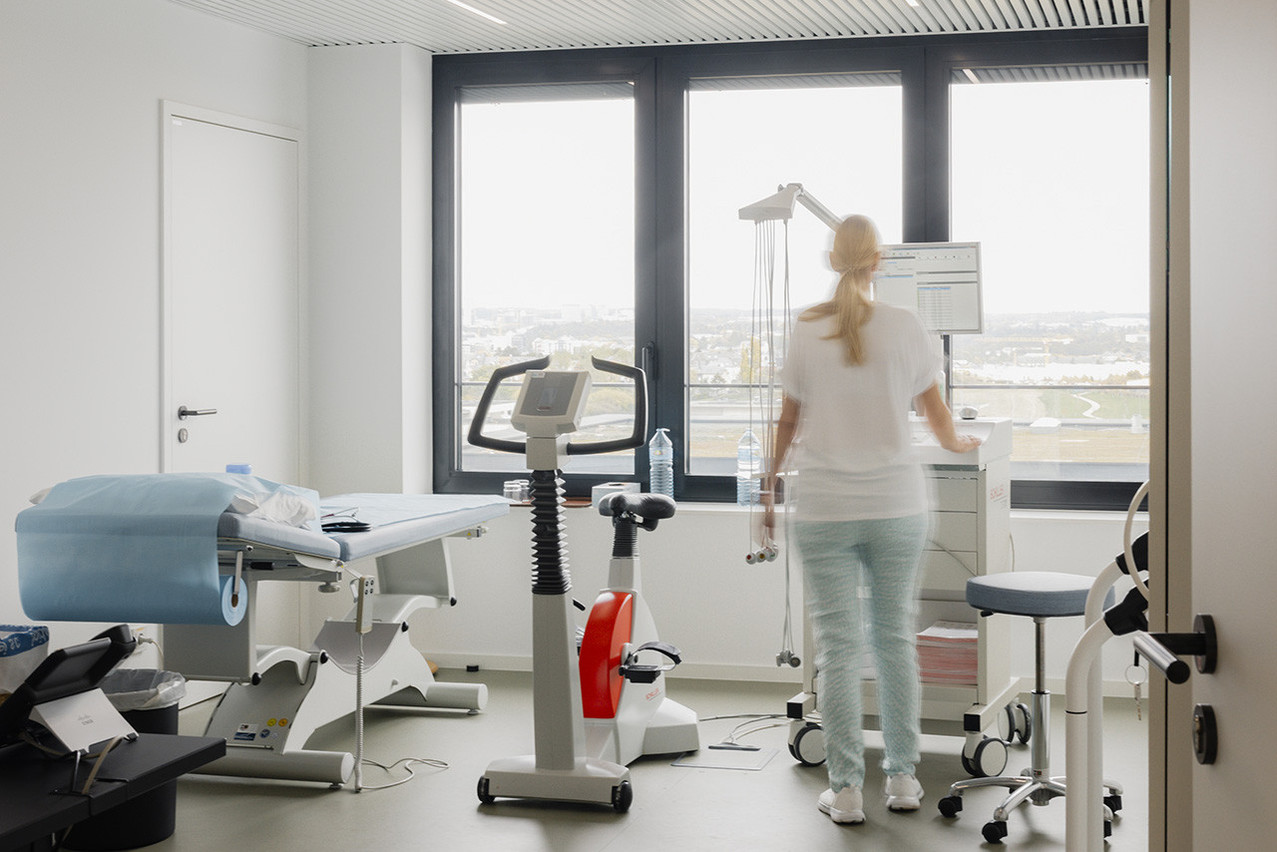
Even more invested than the patient partner, the patient is encouraged to become the main player. Taking this a step further, in healthcare systems that are no longer content to treat illnesses but seek to prevent, anticipate and maintain health in the long term, the patient takes on a new role: that of a player in his or her own health. The Robert Schuman Hospitals are supporting this trend with the opening of the GesondheetsZentrum at the Cloche d’Or.
Focused on prevention, the GesondheetsZentrum offers screening and personalised programmes to maintain good health, in several specialities. The facility is dedicated to people wishing to proactively take charge of their health through consultations, health check-ups, disease prevention programmes and nutritional advice to maintain or improve their general well-being.
Everything here has been designed with the customer’s well-being and experience in mind: multilingual practitioners, accessibility regardless of mode of transport, and even a healthy breakfast offered after examinations requiring an empty stomach. The centre is also targeting businesses, offering them health promotion initiatives.
This article was written for the November 2025Paperjam magazine, published on 22 October. The content is produced exclusively for the magazine. It is published on the site to contribute to Paperjam’s comprehensive archive. Click this link to subscribe to the magazine.
Is your company a member of Club Paperjam? You can request a subscription in your name. Let us know via club@paperjam.lu.