A quick look back: the desire to implement the Data Governance Act (DGA) has led the government to create a new administration: the Office of the Government Commissioner for Data Sovereignty (CGSD). This, which is to succeed the Government Data Protection Commissioner's Office at the State, is designated as the competent body empowered to grant or refuse access to data for re-use.
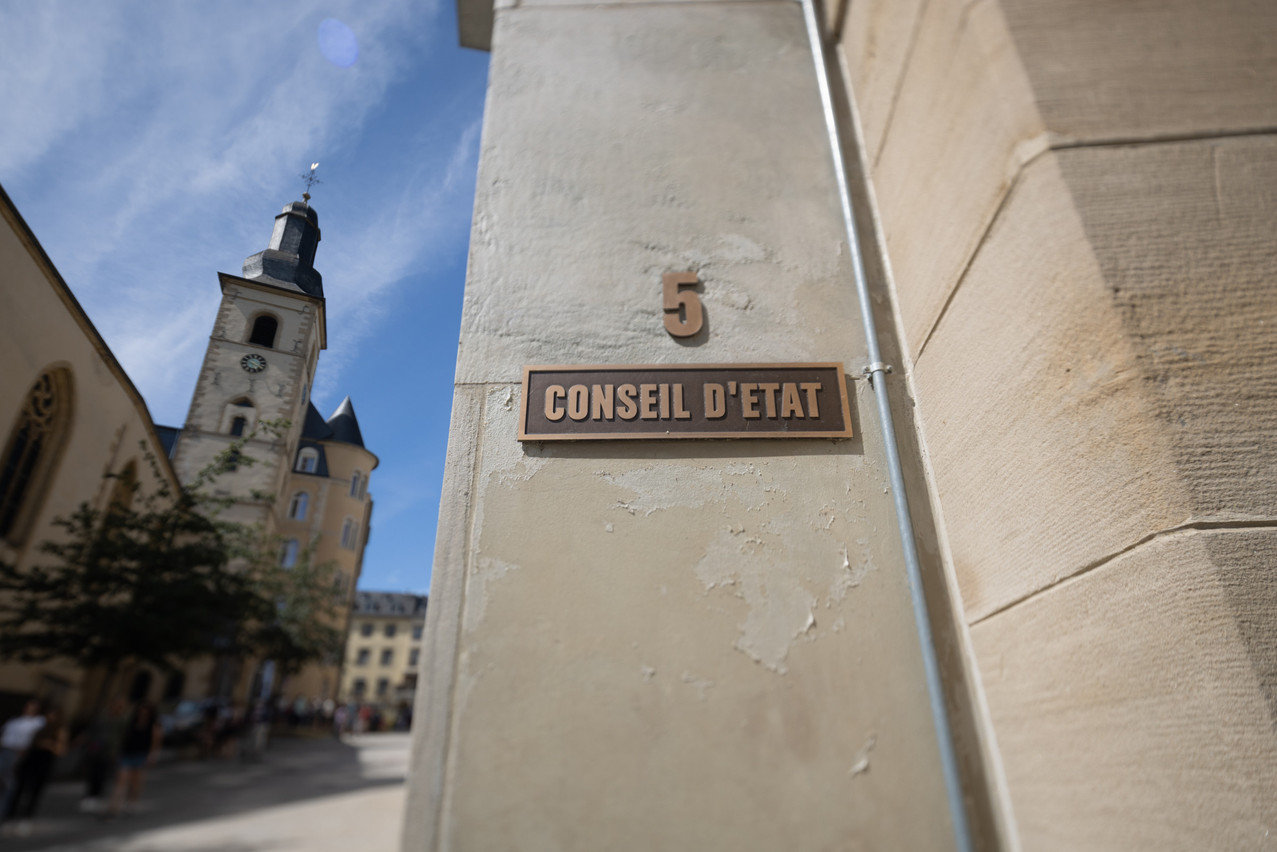
But this institution, which is essential to the implementation of the DGA, has to face in utero numerous criticisms from the Council of State, which has raised several formal objections, revolving mainly around the risk of conflict of interest and unresolved structural ambiguities.
Judge and party
The major difficulty lies in the dual role assigned to the Commissariat, which must simultaneously manage data protection and data sovereignty. The Commissariat is designated as the Luxembourg Data Authority (ALD), empowered to take decisions to authorise or refuse the re-use of data. This function places it de facto in the position of data controller for personal data in the context of these missions.
Or, the law of 1 August 2018 provides that the Commissariat also performs the function of Data Protection Officer (DPO) for many public sector bodies. For the Council of State, the DPO duties are incompatible with any decision-making function regarding data processing, as the DPO must act independently and free from any conflict of interest.
To get around this opposition, the government had chosen to structure the Office of the Data Protection Commissioner into four separate departments, including the Public Sector Data Protection Officer (DPO-SP) department and the ALD, in order to guarantee functional separation and avoid conflicts of interest. This "operational subterfuge" did not satisfy the Council of State, which maintained its opposition. It insisted on the need to anchor independence in law, demanding that DPO-SP staff should not be involved in decision-making on the re-use of data.
A bill that is too imprecise
The Conseil d'État also criticises the bill's lack of operational and legal clarity. It points out the lack of precision in the division of rights and obligations between the Office of the Data Commissioner and the public sector bodies holding the data. It is also maintaining a formal objection until this division of rights and obligations, "crucial for legal certainty", is clarified in the bill.
Another bone of contention raised: the conditions for authorisation by the Commissariat are deemed too general for the subsequent processing of data. The Conseil d'État has lodged a formal objection to these purposes, considering that they do not comply with the RGPD requirement to have precise, specific and legitimate purposes.
Finally, the Conseil d'Etat maintains its opposition to the system of sanctions, organised around warnings, reprimands and revocations of authorisations, deemed ineffective in the absence of any financial penalties against data re-users.