An anniversary speech is a delicate exercise that allows messages to be conveyed. 
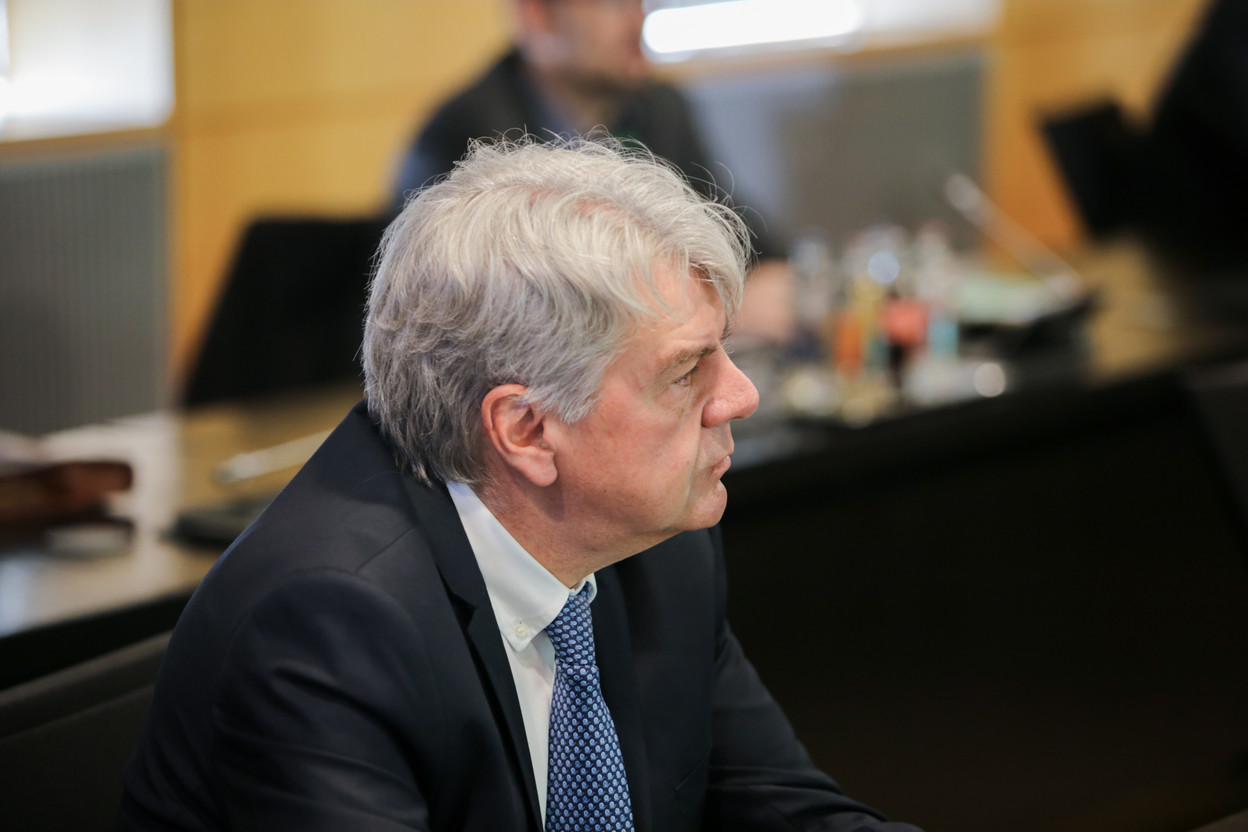
The professional chamber has marked its 60th anniversary. “60 years that could have been 100,” said Wolff. Although Luxembourg's professional chambers date back to 1924, the Chamber of Civil Servants and Public Employees (CHFEP) was not officially created until 40 years later, when the law of 22 January 1964 came into force on 12 February. Why the delay? Because it had long been considered that civil servants enjoyed more effective protection under the laws in force than other members of the professional chambers that existed at the time.
It would take 40 years to change this state of mind and discrimination. Between 1924 and 1964, the Association Générale de l'État et des Services Publics (AGF), the labour union which later became the General Confederation of the Civil Service (Confédération Générale de la Fonction or CGFP), continued to demand the creation of a professional chamber. Its demands were heard in 1959. But five years passed between the introduction of the bill in 1959 and its adoption in 1964. This delay is attributed to the fact that the authors of the text were seeking a balanced and representative composition of the chamber in relation to its members. And it would take another 20 years for the CHFEP to obtain the right of initiate legislation.
Professional chamber and trade union: complementing each other
With Luxembourg's dense trade union fabric, what is the point of professional chambers? Let's take a step back in time, still under the guidance of Wolff: the creation of professional chambers was not based on the demands of professional organisations, but on the initiative of the political leaders of the day. This was partly in response to the economic and social problems of the post-war period, which came to a head during the great strikes of 1921, he explained. "It was at that time that the idea was born of involving the labour representatives more directly in the legislative process, simply to give them the feeling that they were being taken seriously."
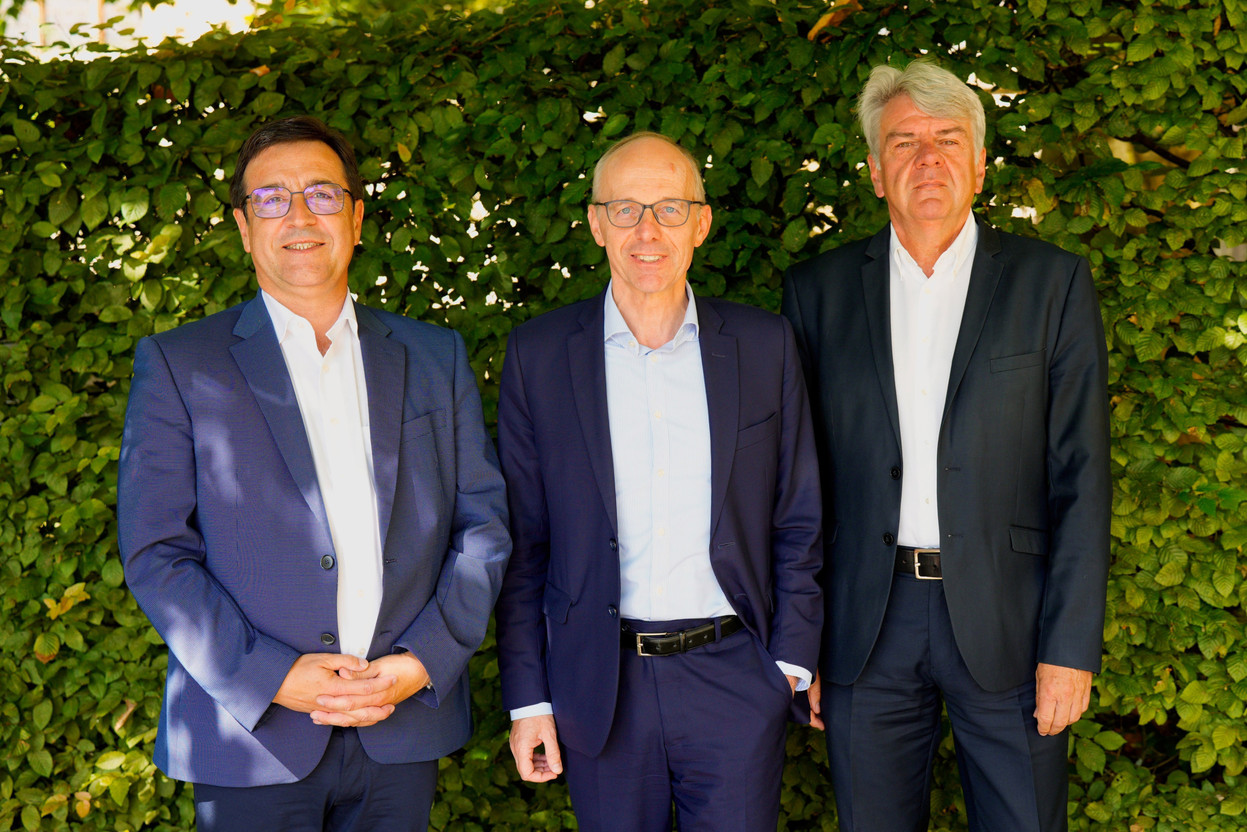
For Wolff - who is also chair of the CGFP - the relationship between professional chambers on the one hand and professional associations or unions on the other is not one of "dualism", but of "complementarity". "A professional chamber must show more restraint than a trade union", he stated, insisting on the fact that these two players in labour relations "have completely different possibilities for action".
Work poorly taken into account
The professional chambers - whose membership is compulsory, unlike that of trade unions - defend the interests of their members. They have two tools at their disposal for this purpose: a right of legislative initiative and the obligation to be consulted and to give a reasoned opinion on all legislation and regulations directly affecting public sector employees, as well as on draft laws and regulations of a general nature, such as the draft budget. The CHFEP issued its opinion on the draft 2025 budget on 19 November. Wolff said that the right of initiative as it is currently stands "does not keep its promises". In his view, if not a reform, at least a tidying-up would be in order.
He also insisted on the fact that "the opinions issued require an enormous amount of work" and that it would be good if these opinions "were read and taken into account even more in the future by political leaders, in order to eliminate from the outset the inconsistencies that creep into draft legislation".
He also referred to the reform of the Luxembourg Army passed on 21 July 2023. This reform affected, among other things, the organisation of military careers and the grading of personnel. The CGFP considers these ratings to be unacceptable. "Intentionally or not, our chamber was not asked to give its opinion on this eminently important issue. This is something that should never have happened," said Wolff.
Luc Frieden reaffirms his commitment to dialogue
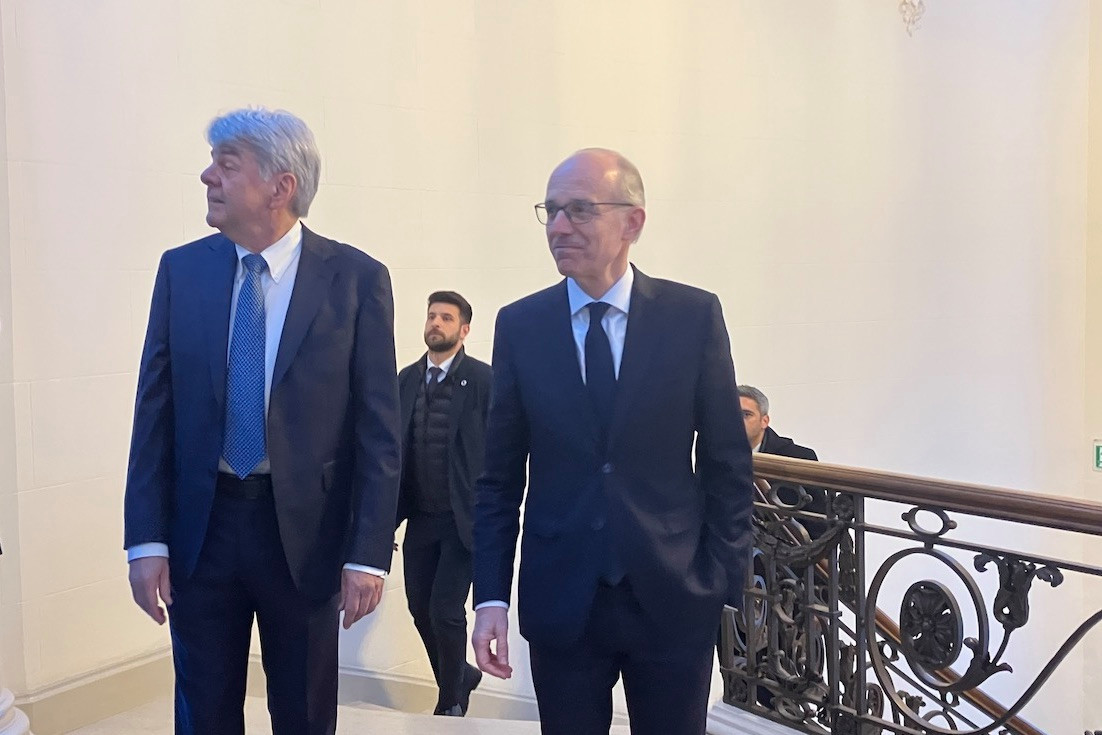
Addressing the audience, prime minister 
He reaffirmed his desire to simplify administration and reduce bureaucracy in order to better serve citizens and the state's partners. All of this will be achieved through dialogue. "The state as an employer will work with the CHFEP," insisted Frieden on 20 November 2024. "This government is in favour of dialogue. It is in favour of dialogue with the professional chambers and appreciates their contribution to our society.”
Election in March 2025
The law of 12 July 2024 - which was passed in parliament unanimously - reformed the CHFEP's statutes. The aim was to simplify its operation and modify its composition in order to take into account that "the diversity of the civil service is changing" and changes in the number of civil servants. As a result of this reform, the number of full members has risen from 27 to 29, divided into ten groups, compared with eight previously. The law also reformed the electoral process. This process will undergo its baptism of fire next March. The list of voters will be drawn up on 2 December 2024, and nominations must be submitted by 27 January 2025. "For the public service unions, this is a very important moment. I would even go so far as to say that it is the most important moment in the calendar".
In the last elections, in 2020, the CGFP took 21 seats, the FGFC (Fédération générale de la fonction communale) 4 seats, the SEW/OGBL 1 seat and the FNCTTFEL (Fédération nationale des cheminots, travailleurs du transport, fonctionnaires et employés luxembourgeois) 1 seat.
Read the original French-language version of this news report here