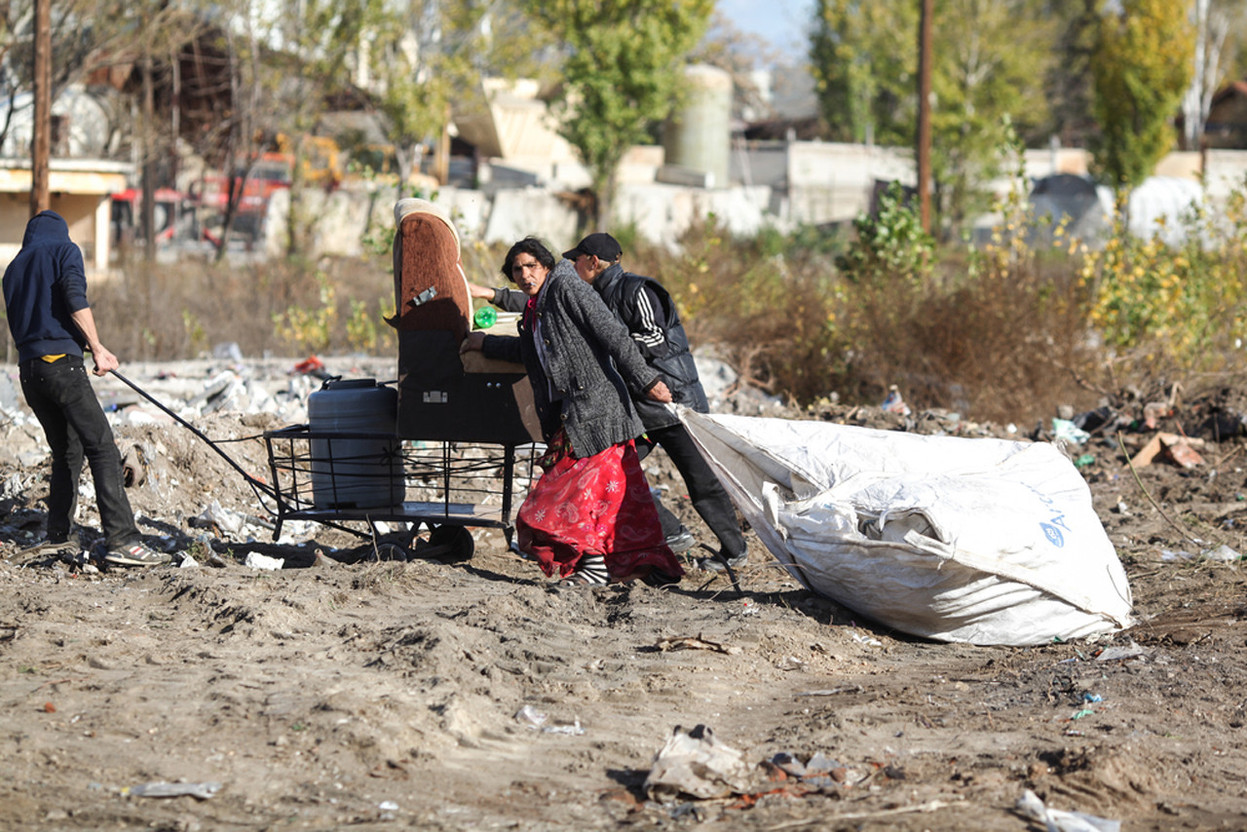
Housing, heating, electricity, foodstuffs… everyday expenses are increasingly difficult to bear for households on the lowest incomes. To support them and help them manage these difficult situations, the social offices intervene, but have found themselves overburdened in recent years with the rise in poverty affecting more and more people in Luxembourg.
According to the latest statistics published by Statec in March, resident households experienced slightly fewer economic and financial difficulties in 2024, but with an at-risk-of-poverty rate of 18.1% (compared with 18.8% in 2023), almost a fifth of Luxembourg’s resident population remains at risk of poverty. And one child in four.
A survey conducted in 2024 by Liser and Statec, at the initiative of the Chamber of Employees (CSL), had showed that social assistance is far from benefiting all those who would nevertheless be entitled to receive it. According to estimates, nearly 80% of potential recipients of rent subsidies do not apply. The proportion reaches 30-40% for the cost-of-living allowance.
€27.63m in costs
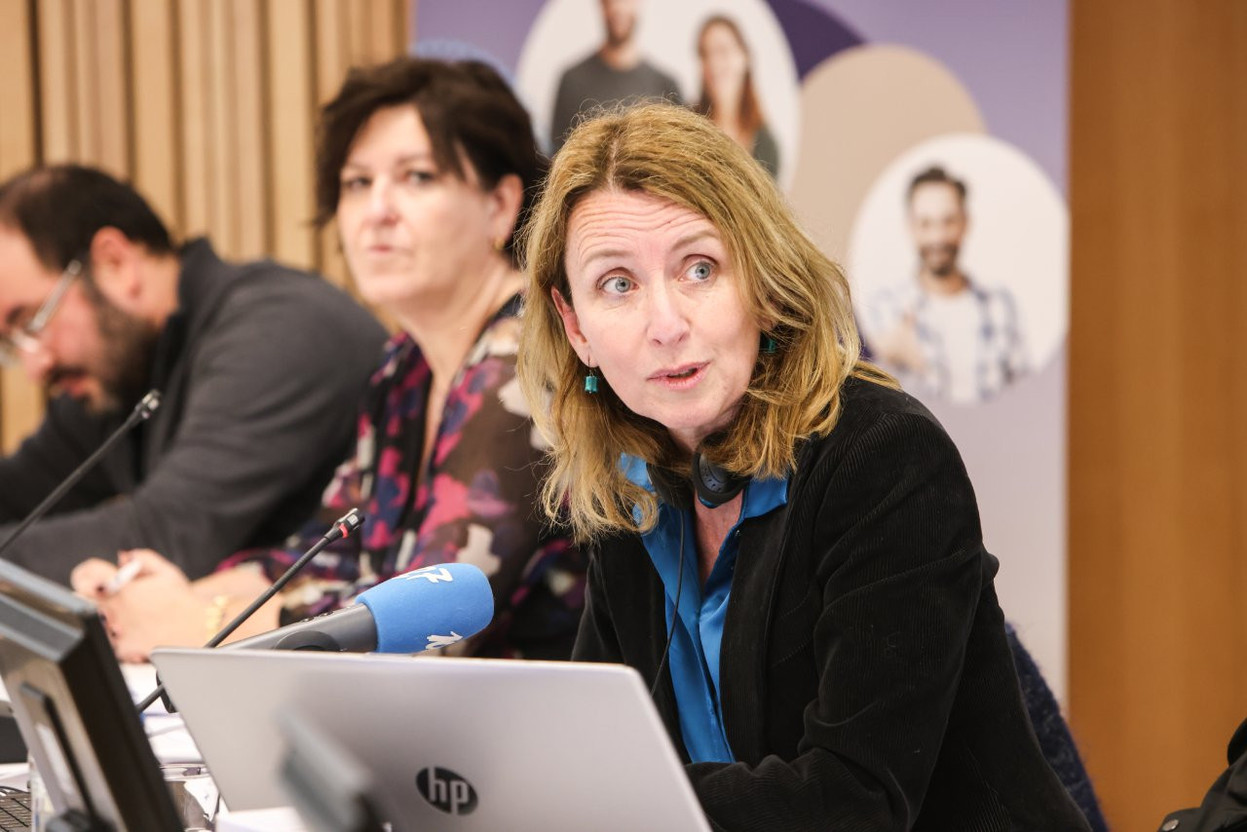
The family and solidarity minister 
“The same article also defines the staffing scale,” said the minister. “It should be noted that this scale has been adjusted with effect from 1 January 2023. Thus, in 2023, the staffing scale has been increased from 1 social management post and 0.5 administrative posts per 6,000 inhabitants to 1.5 social management posts and 0.75 administrative posts per 6,000 inhabitants (i.e. an increase of 50%). The costs, shared between the state and the municipalities in accordance with the agreements and article 23 of the law, as well as the staffing levels of the social offices, have increased considerably in recent years. From 2020 to today, the budget has increased by 69.48% and staff numbers by 61%.”
Thirty social offices and social grocery stores
Luxembourg’s municipalities are grouped into 30 social offices with geographically defined areas of responsibility. The law of 18 December 2009 creates a right to social assistance “aimed at combating poverty and social exclusion and enabling every person to lead a life in keeping with human dignity,” says the website of the family and solidarity ministry on its website.
The social office is also able, for example, to help people access legal benefits, financial assistance and other material aid, to give social, psychological, budgetary, administrative and educational advice, or to grant material aid. There are also a dozen social grocery shops across the country run by the Red Cross and Hëllef um Terrain, in addition to the three Den Cent Butteks and the social and solidarity grocery shop in Sanem. The social groceries are open five days a week and offer items that are on average two-thirds cheaper. To shop there you need an access card, which can be requested from the social office of the municipality of residence or other social services.
This article was originally published in French.