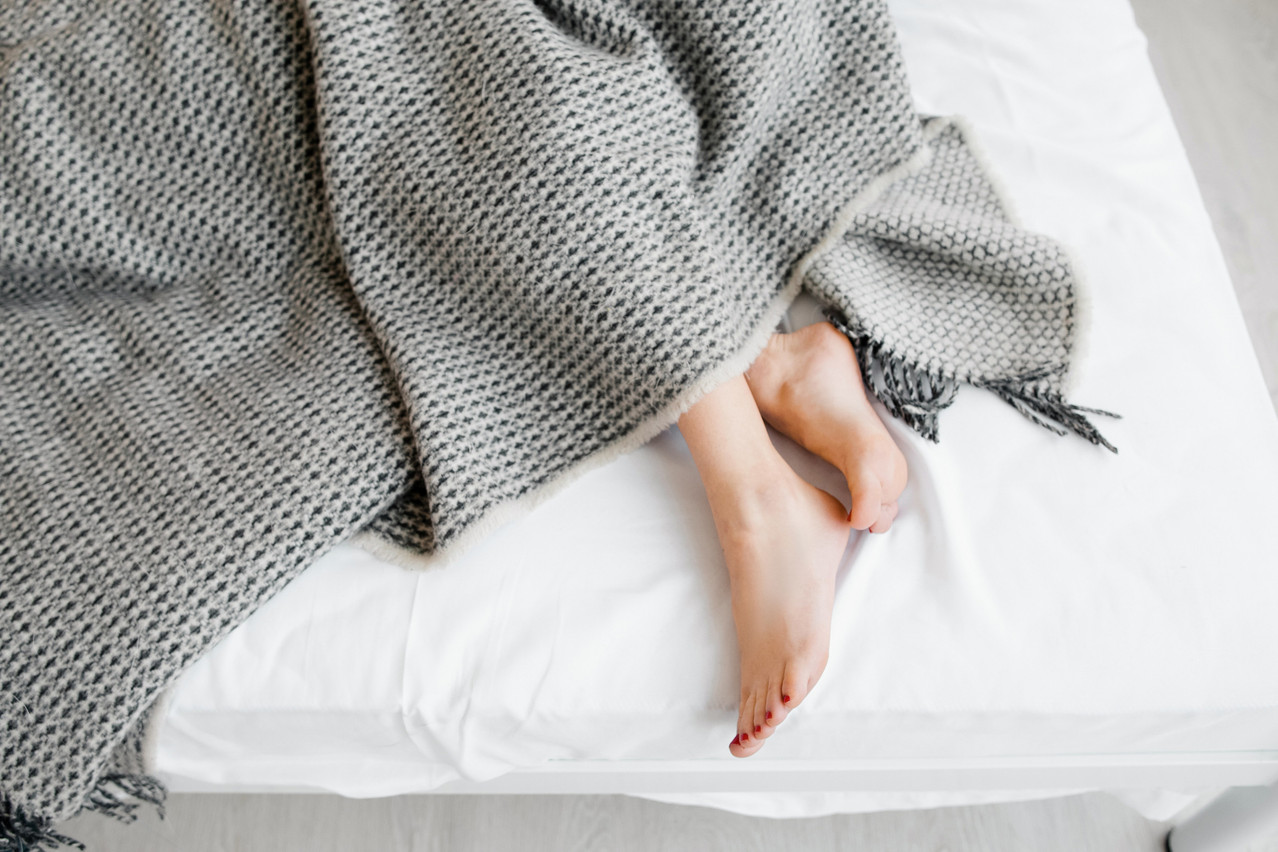
Some say sleep is for the weak, others simply can’t find the time for it, but, with one in three residents suffering from troubled sleep in 2019 according to the sleep laboratory, it is turning into a lost art.
Yet sleep is an essential, albeit indirect, part of innovation. Climate, social division, housing--solutions are needed for these crises now, but as individuals are running on fumes, how can they find the energy to come up with new approaches? To chase after decision makers to hold them accountable?
Our global attitude to sleep needs to change. Sacrificing sleep for work only leads to brain fog, mistakes and, in some cases, burnout. The pandemic highlighted this. Some may have used the lockdown to redefine their routine, but others, instead of committing to the lessons learned during lockdown, jumped right back into their old habits. They use the extra time to disconnect later at night and start earlier in the day, erasing the line between work and private life.
Clocking out on time doesn’t guarantee rest though. Many rely on social media to unwind, a trap of perceived relaxation. The constant input of information builds up as stress. But short, interrupted nights don’t allow enough down time to digest and sort this information, says Annika Carroll, current CEO of sleep coaching business Sleep Like a Boss, founded by Luxembourger Christine Hansen.
Where lies the solution then? Other than getting an average eight hours of sleep, “stop grabbing your phone,” according to Carroll. As counter-intuitive as it might sound, disconnecting when possible is crucial, as the bad habit “jacks up your cortisol,” she explains. “It doesn’t support healthy thinking in a pandemic at all.” Of course, the real change needs to occur on a societal level, yet some jobs, personal circumstances and responsibilities make it hard to revisit one’s habits.
In the end, sleep shouldn’t be a luxury. It’s a need, which must be invested in with the one resource that we should be able to call our own--time. Perhaps, now is the time to disconnect, the time to take a step back and reconsider what we ask of ourselves and others, the time to literally go to sleep. And perhaps, once we gather our bearings, we will wake up with new solutions to our problems.
This article first appeared in the March 2022 edition of Delano magazine.