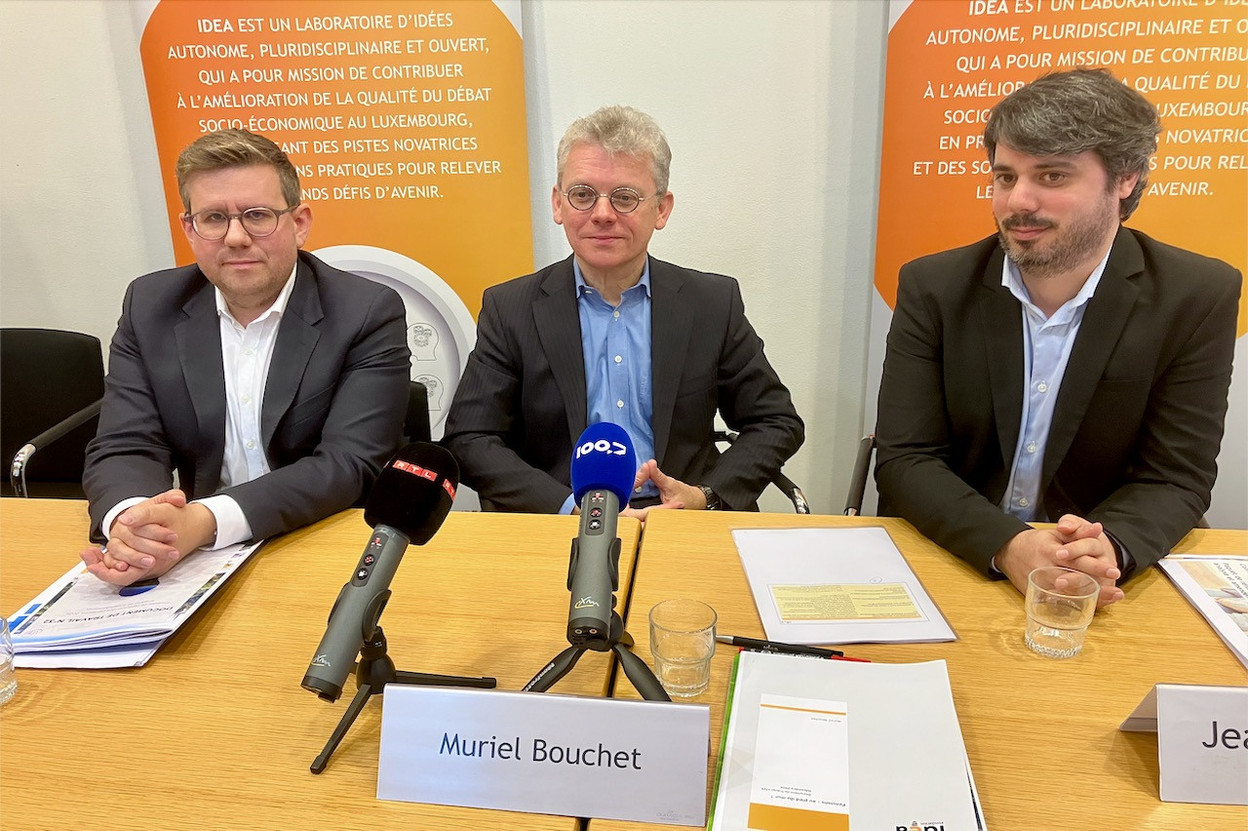
On the substance, the two professional chambers say they share the government's concern about the sustainability of pensions. However, in terms of form, they reject Bill 8634 outright, a reform that will leave losers out in the cold, in particular active contributors (employees and employers) who will see their contributions increase without any corresponding improvement in their future entitlements.
At the centre of their criticism is the increase in the overall contribution rate from 24% to 25.5%. This increase represents an immediate rise in labour costs, exacerbates the loss of competitiveness of Luxembourg companies and will result in a reduction in margins for SMEs and harm the economic viability of certain activities. "Luxembourg's unit labour cost (ULC) has already risen by 131% since 2000, much faster than its neighbours, and this increase in contributions would accentuate this competitive disadvantage," say the two chambers.
For whom this increase does not provide a structural and sustainable response to the imbalance in the pension system. "This measure is a short-term adjustment which, although it postpones the deficits by a few years, does not address the urgency of the situation or the long-term sustainability of public finances. A marginal measure, just like the gradual extension by eight months over four years of the period of contributions required to qualify for early retirement. A measure that will not guarantee the balance of the scheme in the medium term.
Abuse of training courses
The two professional chambers are opposed to greater flexibility in the way periods of study are taken into account - "increasing the value of non-contributory periods runs counter to the objective of guaranteeing the sustainability of the pension insurance scheme" - and fear a risk of abuse where continuing training could be diverted by pension considerations rather than training. As for taking account of periods of continuing training during working life, they say they are in favour. Provided this is financed directly from the State budget. They also reject the retention of the end-of-year allowance for pensioners, which they see as an unbalanced approach to funding.
Another measure rejected by the Chamber of Commerce and the Chamber of Skilled Trades and Crafts is the new progressive pension scheme. This scheme is considered to be obscure - and therefore a source of legal uncertainty - and to impose an unjustified administrative and financial burden on employers, who, according to the analysis of the two chambers, would be forced to advance payment of the monthly pension allowance, de facto turning companies into "mini pension funds". The two chambers consider that the employer's obligations should at most be limited to adapting the employment contract and paying the corresponding salary.
Lobbying for a comprehensive policy for the employment of senior citizens
The two chambers also issued their joint opinion on Bill 8460, which introduces a working life maintenance allowance (AMVP) for taxpayers who would continue to work while meeting the criteria to claim an old-age pension, as well as an increase in the tax deductibility ceiling for provident fund contracts, which would rise from €3,200 to €4,500.
Two measures that are considered positive, but which the chambers call for to be completed. They believe that the AMVP should form part of a more ambitious holistic approach aimed not only at encouraging people to postpone retirement, but also at creating a framework that involves businesses more closely in order to encourage the employment of older people. Just as they advocate greater awareness among current contributors of the benefits of the pension scheme.