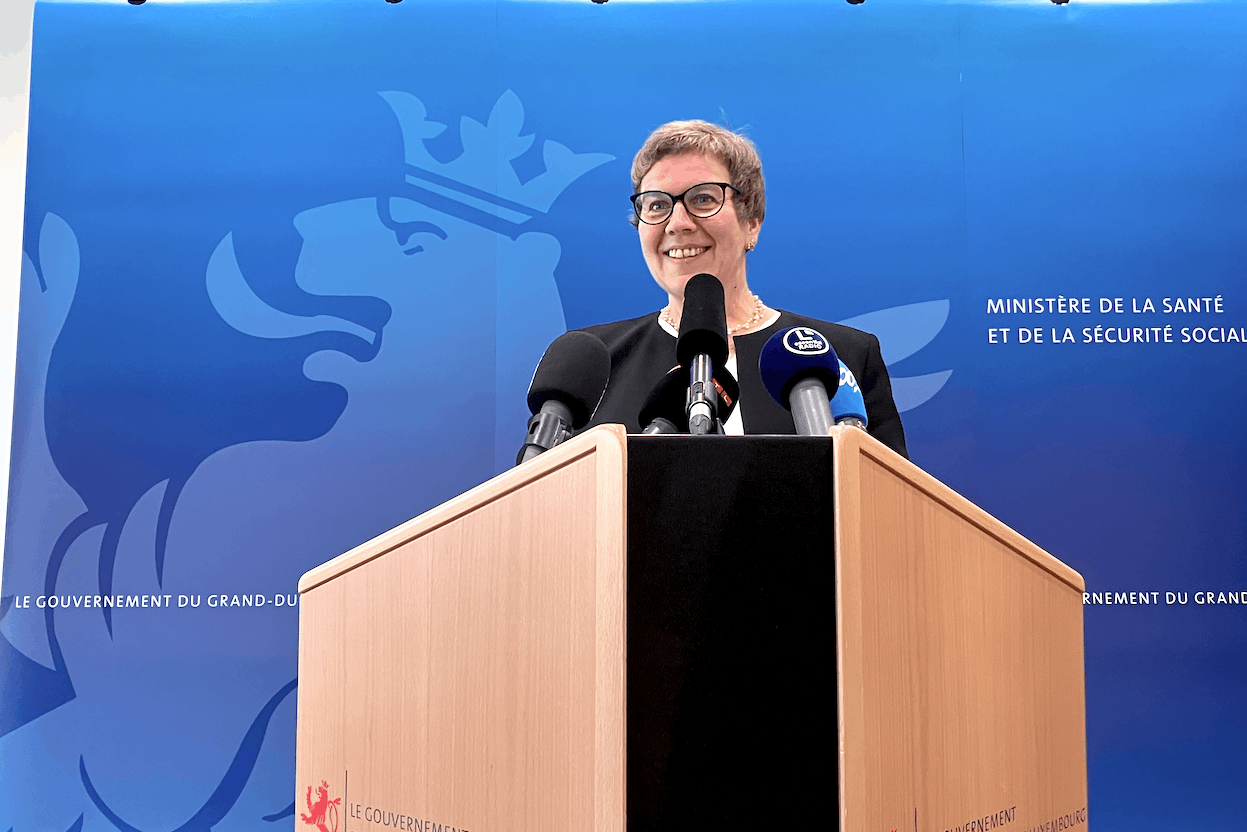
Is this the 28 June effect? Speaking to the press to detail the next stages of pension reform, social security minister 

Pathfinders
The shock announcement was that the contribution period would be extended by three months per year, though the details of this extension have yet to be worked out. We still don’’t know when this will come into force or for how long, nor even whether this additional contribution period will be capped. However, the minister has announced that no career should last longer than 45 years.
On the question of how to extend the average retirement age--which the government wants to bring closer to equal age--no solution has been put forward either. There has just been an acknowledgement that the provisions of the 2012 law have proved ineffective. In 2011, the average retirement age was 59.5. Today, it is 60.1. This suggests that the incentives put in place to encourage people to delay the end of their working lives should be replaced by constraints. But if the 2012 reform failed on this point, there’s no question of touching it. For the record, this reform provides for automatic adjustments as soon as expenditure exceeds pensions. These main adjustments are the abolition of the end-of-year allowance and the end of the adjustment of pensions in line with changes in the cost of living.
Draft bill to be presented to the government in the autumn
For the moment, discussions are still underway with the social partners. The details of these discussions are not yet known, although the possibility of a tripartite pension meeting does not appear to be on the agenda. “The debate is underway and we will be concluding the consultations at the beginning of July,” confirms Deprez. A draft bill will be presented to the cabinet in the autumn and, if adopted, will then be tabled in the Chamber of Deputies. So there will be no reform before the end of 2026, admits the minister, who a few months ago announced a bill for the voluntary extension of careers and the transition between private life and retirement.
There will be no reform “unless the National Pension Fund runs a deficit. Then we’d have to see how to deal with it,” she admits. The prime minister had mentioned the possibility of deducting part of the revenue from the carbon tax to help balance the accounts if necessary. Finance minister 
These discussions are taking place in a “calm” manner, with a consensus on at least one point: “Doing nothing is not an option!”
This article was originally published in French.