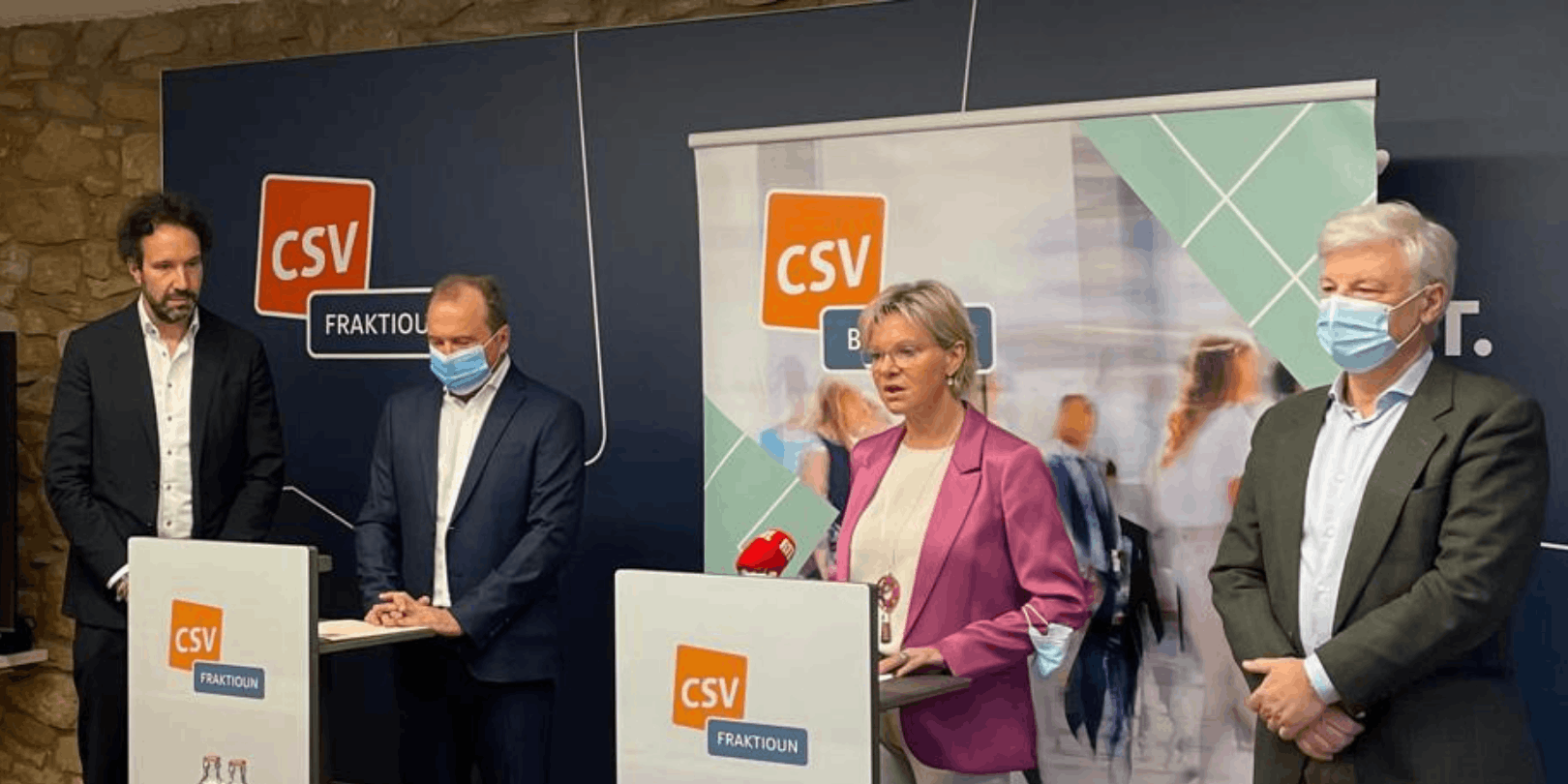
The Christian democrat opposition had demanded a debate on household purchasing power in light of high inflation and rising prices for energy but also groceries and a range of other products.
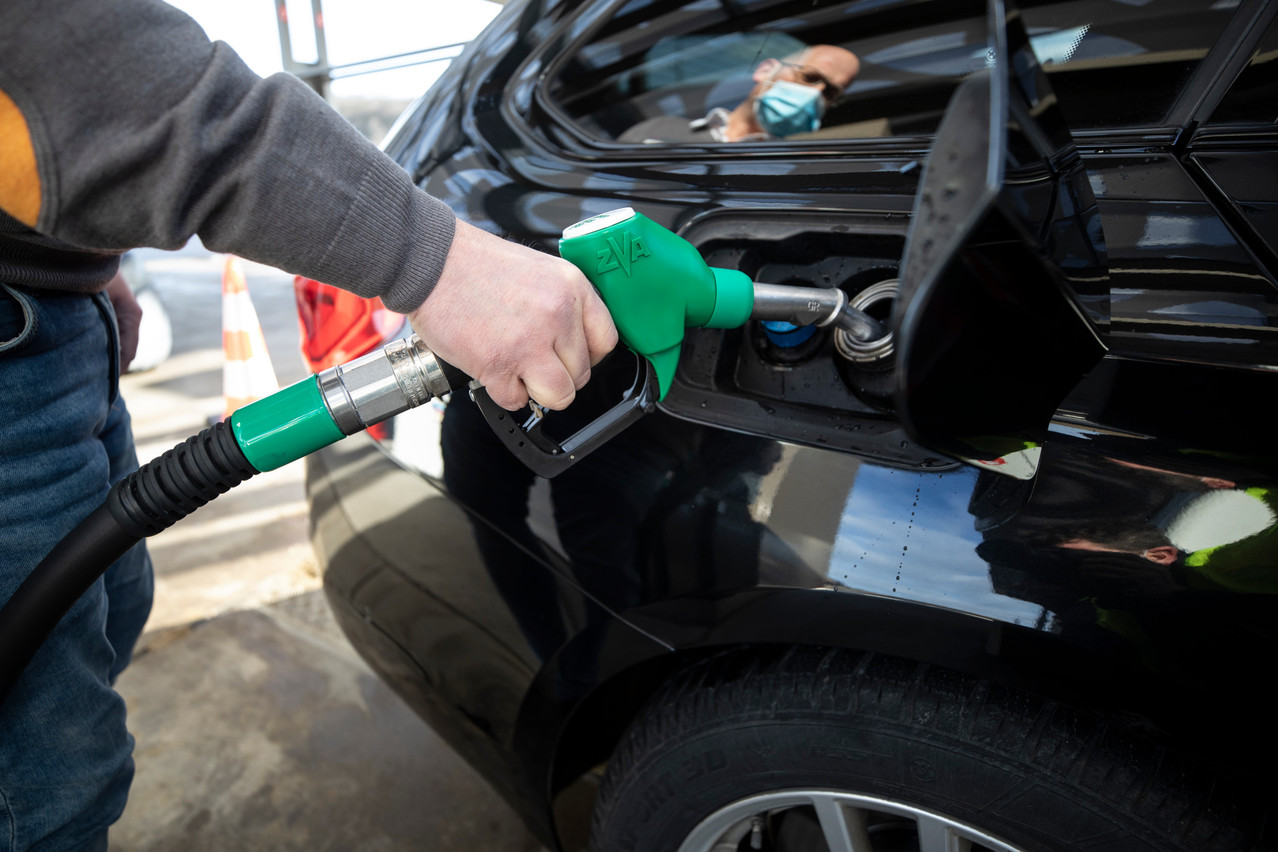
“Energy prices are exploding and the government is watching,” said Gilled Roth (CSV) opening the exchange. The price of 50 litres of diesel have climbed from €50 at the end of 2020 to €75 today, he said. For heating oil, the increase is from €1,824 to €3,704.
The indexation of wages, adjusting them to inflation, is not enough to compensate the current price hike, Roth said. Out of a €100 indexation payment, less than half is left once taxes and other contributions are subtracted, the MP said.
The CSV had previously suggested measures to combat the energy crisis, such as capping prices, increasing an allowance on work commutes and reviewing the criteria for a cost-of-living allowance for low-income households.
Direct measures
While the majority parties supported a review of the cost-of-living allowance in the longer-term it said the other proposals aren’t climate friendly and wouldn’t reach the households that really need it.
“It’s important for the LSAP that we solve this urgent problem quickly and in an uncomplicated manner,” said Cécile Hemmen (LSAP), adding that the party suggests paying a €100 subsidy to all households.
This was largely criticised by opposition parties for not targeting low-income households in particular. It also appeared to contradict the motion proposed by the LSAP, DP and the Greens asking the government to pay a targeted, one-off aid.
“We need direct measures,” said François Benoy (Déi Gréng), adding that discussions around a fairer tax system or the cost-of-living allowance should still take place.
With the state also benefitting from the price increase through taxes, lawmakers agreed that the money should find its way back into the pockets of taxpayers although they differed on how to do so.
“Top of our agenda”
The government already at the end of last year already saw itself accused of not tackling the problem of purchasing power. Labour unions had wanted to discuss the issue during tripartite talks with employers and the cabinet but the prime minister deferred the topic to the presentation of the 2022 budget.
“It’s at the top of our agenda,” said finance minister Yuriko Backes (DP) on Wednesday. “I understand the worries, especially of the socially disadvantaged.”
Over the years, the government introduced a series of measures to support household income, from making public transport free of charge to subsidising bicycles, electric cars and environmentally friendly home renovation, she said. It adjusted child benefits to inflation and is planning on making school lunches and afterschool care free of charge.
Sven Clement (Pirate Party) said that these measures had helped uphold purchasing power in the past but weren’t relevant in the current context. If the measures of the past years hadn’t been taken, households would simply be worse off now, he said.
The motion on Wednesday, supported by 33 MPs out of 60, also said the government should monitor prices and uphold the indexation of wages. “Was there any discussion for it to be abolished,” asked Myriam Cecchetti (Déi Lénk), saying that much of the motion is redundant and adding that the only reason to support it is the call for a one-off benefit.
“The government knows what we want,” concluded Yves Cruchten (LSAP) with the finance minister saying the government would make a proposal.