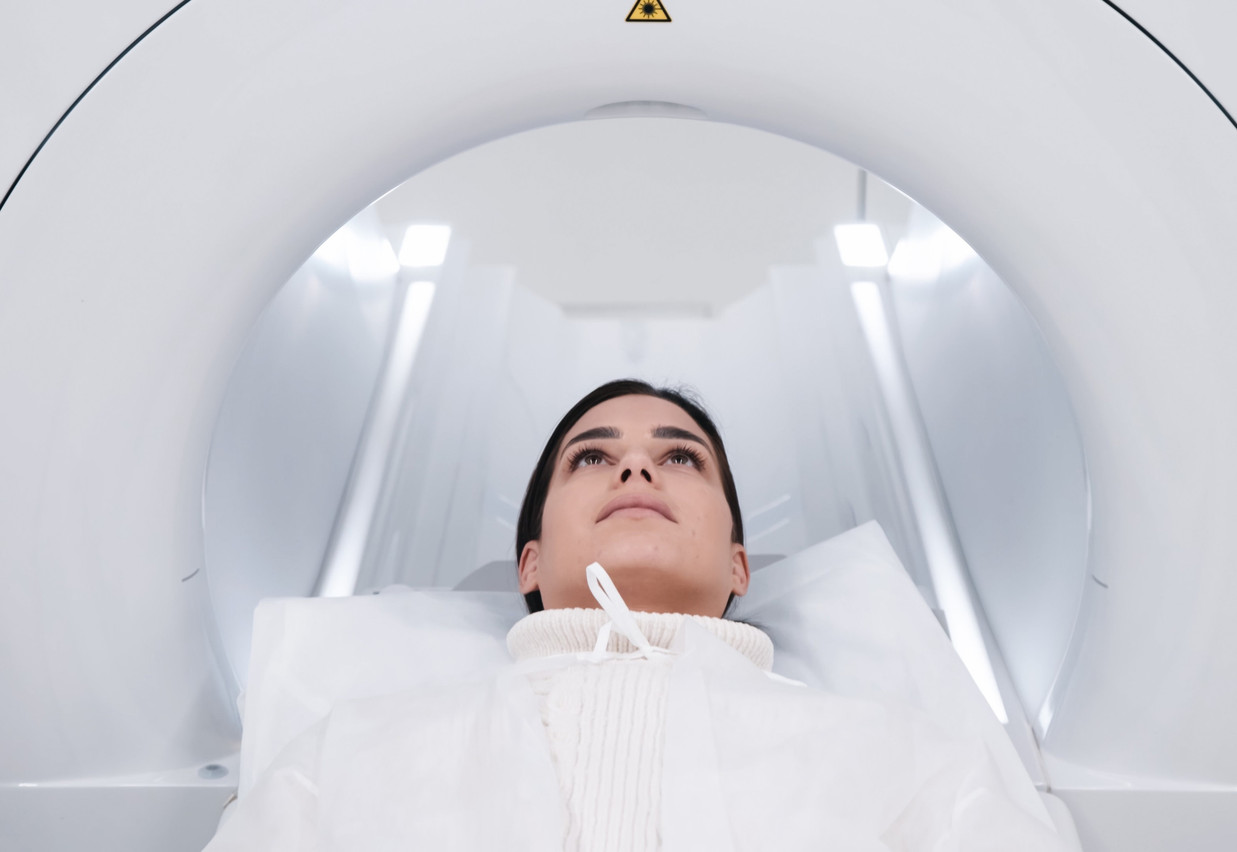
The average time to get an MRI has fallen by six days, but remains within the orders of magnitude of Luxembourg's border countries. (Photo: Shutterstock)

The average time to get an MRI has fallen by six days, but remains within the orders of magnitude of Luxembourg's border countries. (Photo: Shutterstock)

The average time taken to obtain an MRI scan in Luxembourg fell by six days between 2023 and 2024, according to the Federation of Luxembourg Hospitals, cited in a parliamentary response. But one in five examinations remains unjustified, an overuse that continues to weigh on access for patients with a genuine medical need.

The response from the Minister for Health and Social Security, Martine DeprezMartine Deprez (CSV), to a parliamentary question confirms a contrasting trend. The average waiting time for an MRI scan will fall from 39 days in 2023 to 33 days in 2024, before stabilising at 33 days in the first half of 2025. The proliferation of equipment and extended opening hours have contributed to this improvement, reducing waiting lists for outpatients.

But access remains hampered by another finding: 20% of examinations carried out are not justified, according to the relevance audits conducted in 2023. In other words, one in five MRI scans does not meet medical recommendations, unnecessarily mobilising hospital resources.

Before referring for an MRI scan, doctors are advised to refer to good practice guides, such as the European Society of Radiology's "iGuide", and to discuss any doubts with radiologists. Patients, for their part, are encouraged to question the relevance of the examination and to understand that in some cases an X-ray or CT scan is sufficient. The aim of these practices is to reduce examinations with little added value and ensure faster access to those who really need it.