According to the latest Eurostat data, 73% of internet users in Luxembourg shop online, which makes them some of the busiest web customers in Europe, just behind those in the United Kingdom (82%), Denmark and Sweden (both 79%) and Germany (77%). Overall, online retail sales in the EU are set to double by 2018, but as the market grows so do the chances of getting lost--and deceived--in the massive jungle of worldwide shopping.
Studies show web shoppers are most concerned about transactions going wrong and credit card information not being safe. However most do not know the basic rules to limit the risks, like only doing transactions via a secure web page and never sending credit card details via email.
You can also ask your bank for a “cyber credit card” (with a limited standby credit facility and a card number which, even if intercepted, cannot be used in a conventional shop) or go through websites like www.trustedshops.co.uk or buy on “Verified by Visa” ones to increase security. Nevertheless, we are still not paying enough attention to the origins of the products we buy.
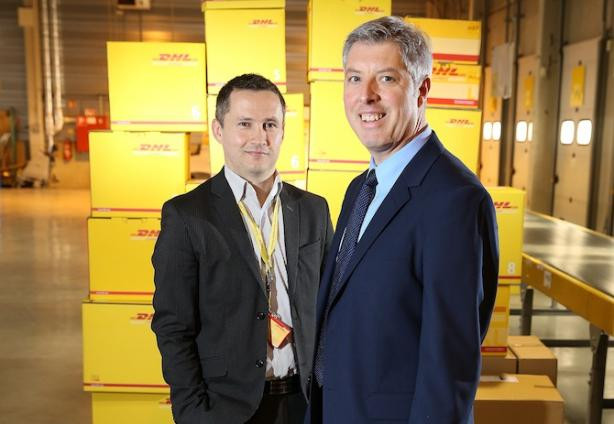
“It’s essential to identify where the retailers are,” says Michel Lamballais, customer service and marketing manager at DHL in Luxembourg. “Counterfeit products are a growing problem, with sellers situated in China or Hong Kong being leading providers. In general though, any great bargain found online should set off alarm bells. If you find a renowned brand at a low price, there’s something fishy going on.”
Fake goods of all sorts cannot only be serious health hazards but can also get you in trouble. “If they are intercepted at customs, they’ll be confiscated and you are liable to get a fine,” says Pascal Juvan, service centre manager at DHL. “In the same way, avoid websites stating they will ‘under evaluate’ goods to avoid custom duties. If something goes wrong, you’re done.”
Fast delivery is another important component of online shopping but when you live in Luxembourg, delivery itself can be a problem. How many times have you found exactly what you’re looking for only to be told at checkout that the seller “cannot ship to your selected destination”? And how about missing deliveries because you’re not there when the carrier calls?
The rather unique Luxembourgish company BPM offers the perfect solution for this.
“We have reception addresses in the UK, Germany, France, Belgium and the US,” explains CEO Robert Thiemann.
“So you can also order from sellers who don’t deliver in the Grand Duchy. And getting your parcels is easy: we have 17 parcel stations throughout the country open 24/7.”
A monthly subscription to this genius service costs €5.