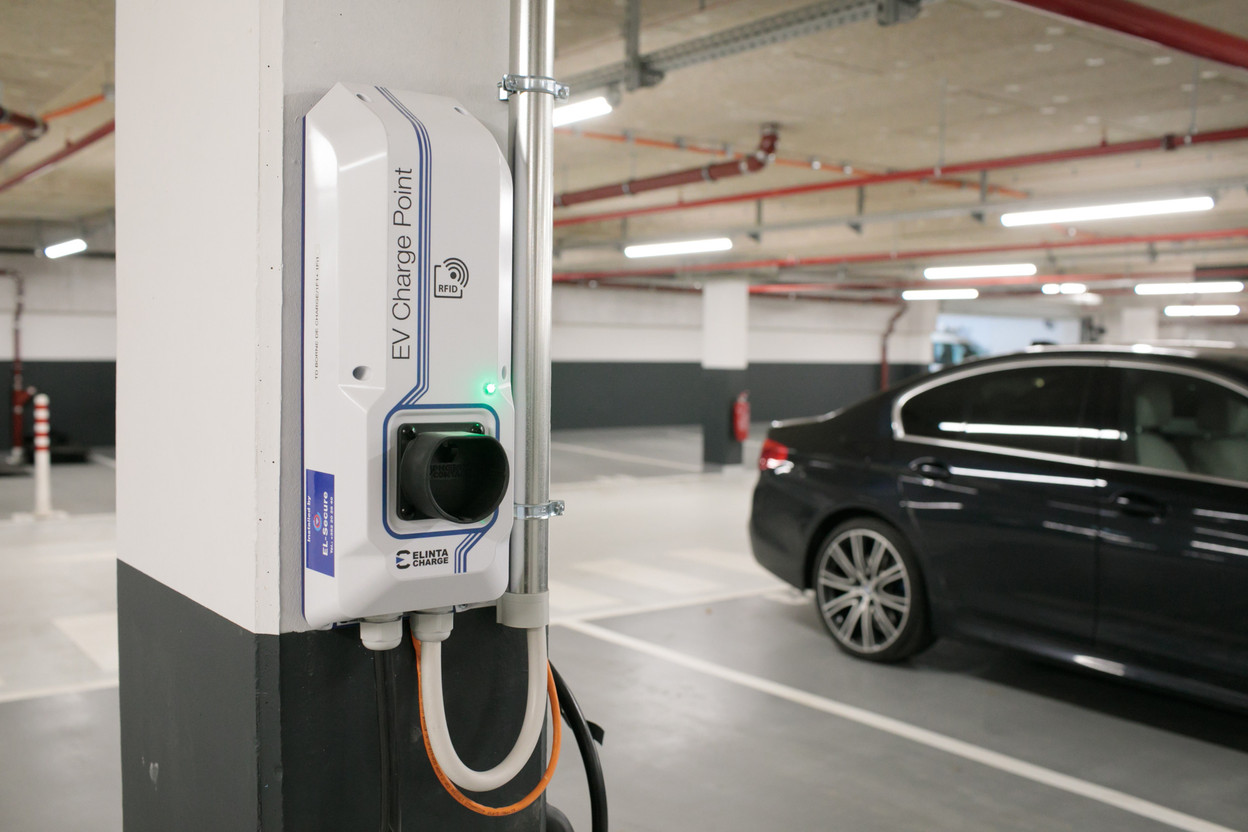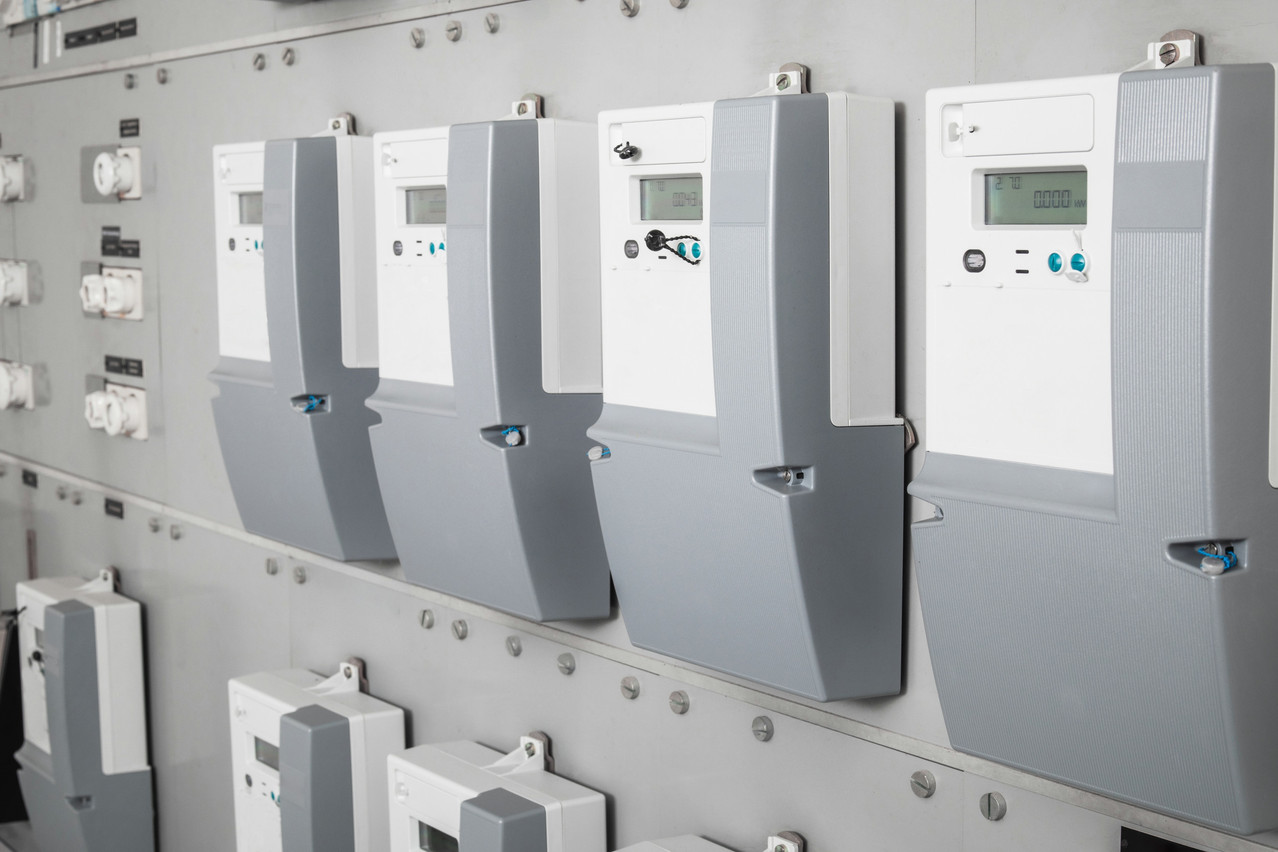
Since 1 July 2016, following a European directive, network operators have been required to install smart meters for every new connection and gradually replace the old models. This new generation of equipment offers several advantages: better control of energy consumption and reduced waste for users, as well as simplified operations for electricity suppliers, who no longer need to send an agent to read the meters.
Despite these advantages, the mass rollout of smart meters continues to raise questions, particularly about data protection and certain technical malfunctions, leading to billing errors, for example. It was against this backdrop that MP 


A total of 343,701 smart electricity meters and 91,559 smart gas meters had been installed nationwide by 31 December 2024, said the response. This vast project, carried out between 2017 and 2020, required an investment of €53.26m for electricity and €20.9m for gas.
Around 2,000 complaints
While the transition to these connected meters has not been without its critics, the number of complaints has been minimal. Luxembourg’s main grid operator, Creos, has recorded around 2,000 complaints since the rollout began. While the number of complaints stooda t 657 in 2021, they dropped to 208 in 2024. However, the ministers did not give details of the reasons for these complaints (whether they were related to billing, technical problems or other issues, for instance).
Other network operators report a “low” number of complaints, the majority of cases having been “easily resolved thanks to additional information,” said the government.
For its part, the directorate for consumer protection has not recorded any complaints relating to smart meters. The Union Luxembourgeoise des Consommateurs (ULC), on the other hand, recorded 24 requests between 2018 and 2020, mainly relating to “the possibility of refusing the installation of a smart meter or general questions.” A few consumers also expressed health concerns. Since 2021, however, the ULC has seen a clear drop in complaints.
This article was originally published in French.