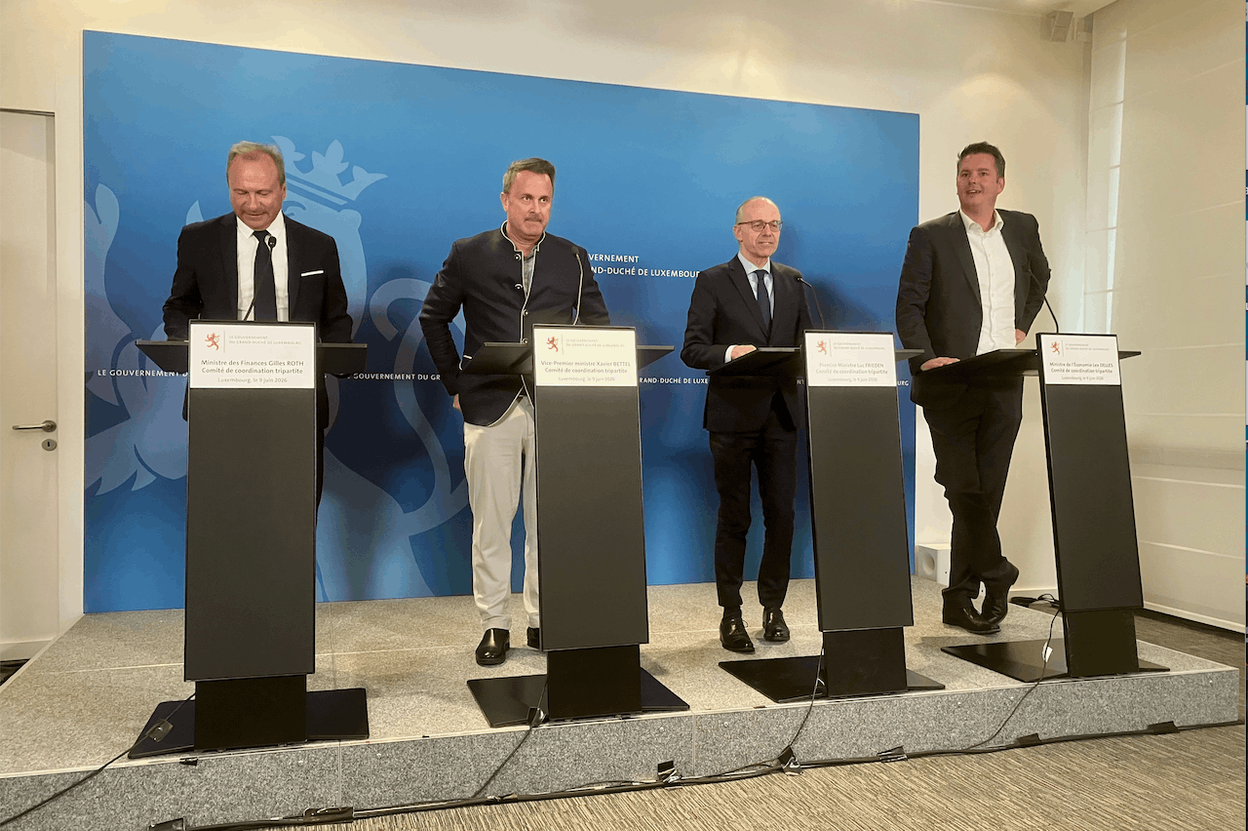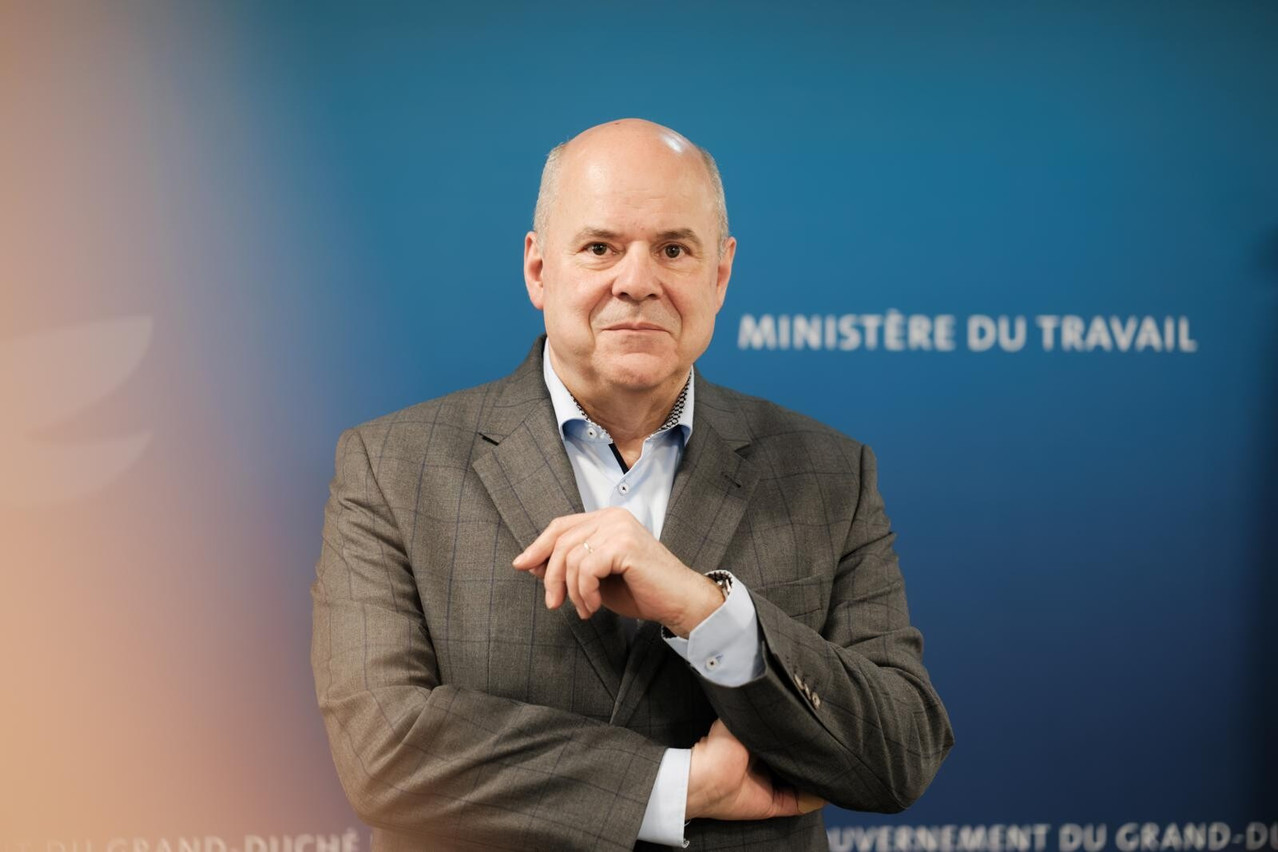
The commitment made as part of the “Resilienzpak” has been enshrined in law. On Friday 2 October, the Government Council approved the draft bill providing for a 3.8% increase in the minimum social wage as of 1 January 2027. The government is thus delivering on the pay-related part of its promise, although its entry into force remains subject to the bill being passed by MPs.
For an unskilled adult employee working full-time, the minimum wage would rise from €2,771.33 to €2,876.60 gross per month, an increase of €105.27. The minimum wage for skilled workers, which is 20% higher, would amount to approximately €3,452 gross per month. These figures remain subject to any index-linked adjustments.
First instalment of the promised €200
This increase forms part of the package presented to MPs on 24 June as part of the tax component of the “Resilienzpak 2026”. The stated aim was to improve the purchasing power of a recipient of the unskilled minimum wage by approximately €200 net per month, compared with their situation in June 2026, once all the measures had been implemented.
The additional €105 (gross) is therefore not, on its own, sufficient to achieve this objective. The scheme also provides for an increase in the minimum social wage tax credit from €81 to €179 per month as of 1 January 2027, then €200 on 1 July. This tax-related aspect is the subject of a separate bill, which is still before a parliamentary committee.
According to information provided by the government to MPs in June, around 70,000 people could benefit from the scheme, although not all of them will receive the full amount announced. The promise will therefore be fully delivered in several stages, involving both an increase in gross pay and enhanced tax relief.
A catch-up provision under the pay mechanism
Whilst this increase is one of the commitments set out in the “Resilienzpak”, it forms part of the standard mechanism for adjusting the minimum wage. The proposal, which was approved on Friday 2 October, is based on the change in the average wage during 2024 and 2025. As the relevant indicator has risen by 3.8%, the government is proposing a corresponding increase in the minimum wage.
This biennial review is designed to prevent the lowest pay rates from falling behind the general trend in wage growth. It differs from automatic indexation, which adjusts pay in line with the cost of living in 2.5% increments. The two mechanisms operate in tandem, but the 3.8% increase scheduled for January will not apply to all salaries.
The previous structural adjustment, which came into force on 1 January 2025, had reached 2.6%. It had raised the non-qualifying minimum to €2,637.79 gross per month, before the indexations that have taken place since then. The proposed adjustment for 2027 is therefore higher than that for the previous financial year.
The Revis and the allowance for people with severe disabilities follow
The Government Council also approved a draft bill proposing a 3.8% increase in the social inclusion allowance (Revis) and the allowance for people with severe disabilities (RPGH), to take effect on the same date. This increase should, therefore, also benefit recipients of these minimum social benefits.
With the legislation approved this Friday, the government is making progress in delivering on its commitments to those on low incomes. For the employees concerned, the next crucial step will be for the legislation to be passed by Parliament so that the promise can be reflected on their pay slips from January.