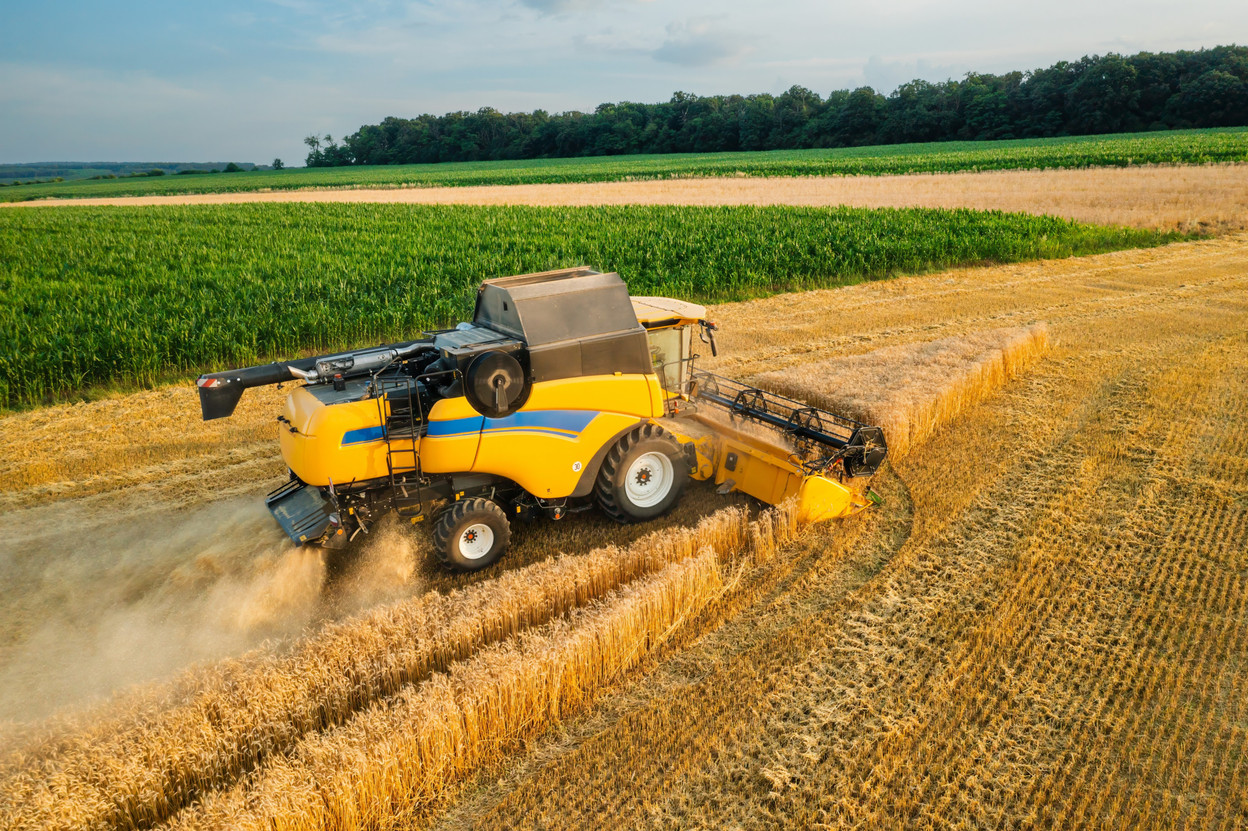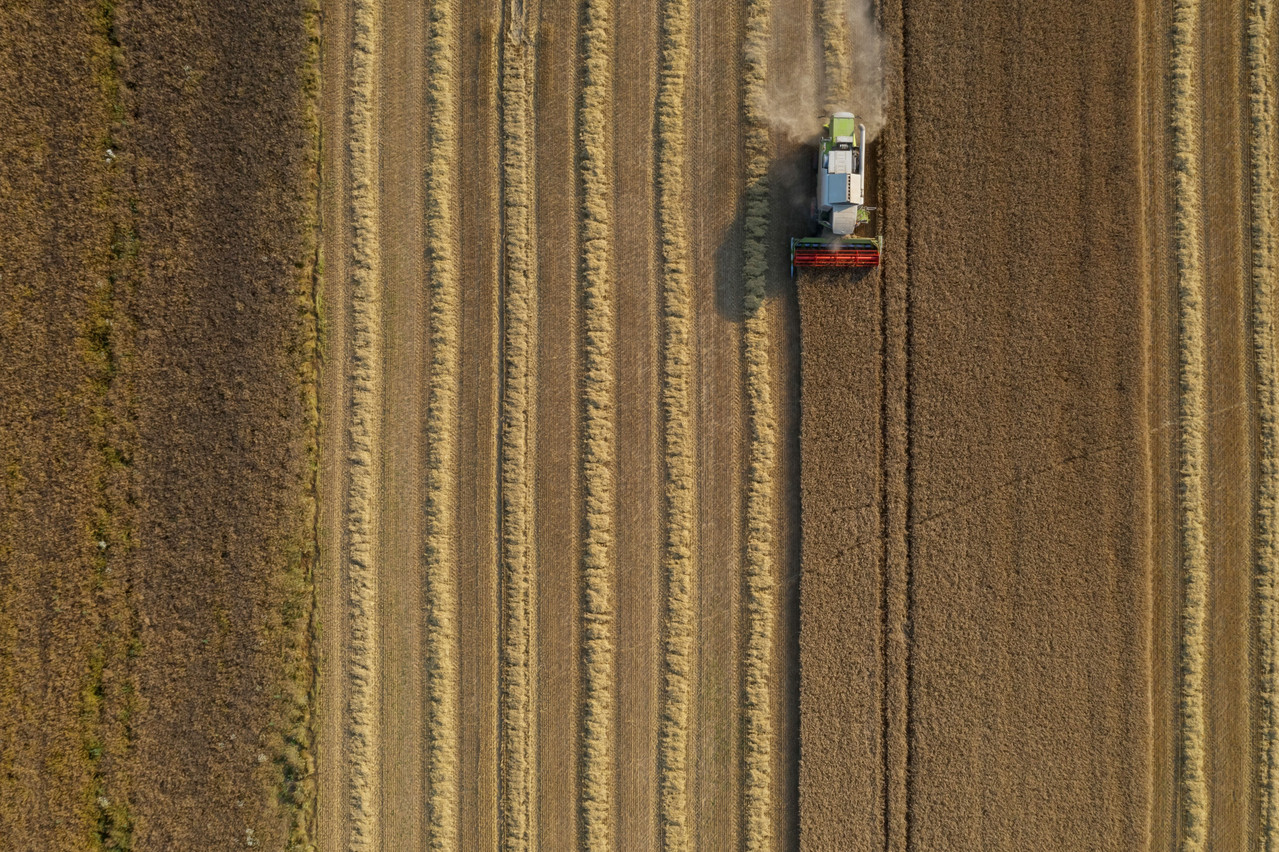
In the EU in 2023, the average price of a hectare of arable land (farmland used for cultivation) was €11,791. In Luxembourg, the same hectare costs around four times as much: €42,540, says the latest data published by the European Union’s statistics bureau Eurostat, which highlights huge disparities from one country to another. This puts the country in third place, behind Malta (where prices are highest, at €283,039 per hectare) and the Netherlands (€91,154 per hectare). The lowest average prices are recorded in Croatia (€4,491 per hectare), Latvia (€4,591 per hectare) and Slovakia (€5,189).
Price levels depend on a number of factors, specific to each territory, such as legislation, climate, proximity to networks, soil quality, drainage, etc. Added to this are market forces such as supply and demand or ownership rules.
In Luxembourg, as in Malta, the size of the country is not unrelated to the price of farmland. In Luxembourg, around 49.6% of the country’s total surface area is given over to agriculture. But just under half of this is arable land (around 57,500 hectares).
High prices can also be explained by strong pressure on land due to urbanisation. The country has been growing steadily, and agricultural land has been heavily affected by urbanisation, especially between 2007 and 2018, according to a report by the ministry of energy and spatial planning. Around 90% of urban development has taken place on agricultural land, helping to reduce the proportion of farmland and automatically increasing its price.
This is compounded by speculation, as the expansion of residential and industrial areas makes this land--originally used for agricultural purposes--attractive for conversion into building land. In a report dedicated to exploring the potential of agrivoltaic development, the Chamber of Agriculture pointed out that “the opening up of agricultural land to non-food production activities poses a definite threat to the agricultural sector, both in terms of reducing the amount of land available for the production of basic food products and in terms of pressure and speculation on land and therefore the pricing of rural leases and, as a result, the profitability and competitiveness of Luxembourg agriculture. In this context, it is vital to limit conflicts over the use of agricultural land and to protect it so that it is used primarily for agri-food production.”
In terms of the price when renting arable land, Luxembourg has slightly lower rents than some of its European neighbours, at around €200 per hectare, much lower than in the Netherlands (€914 per hectare), Denmark (€594) or Greece (€498). The lowest rent is recorded in Slovakia: €67 per hectare. Luxembourg also has the lowest average rents for ten years.
This article was originally published in French.