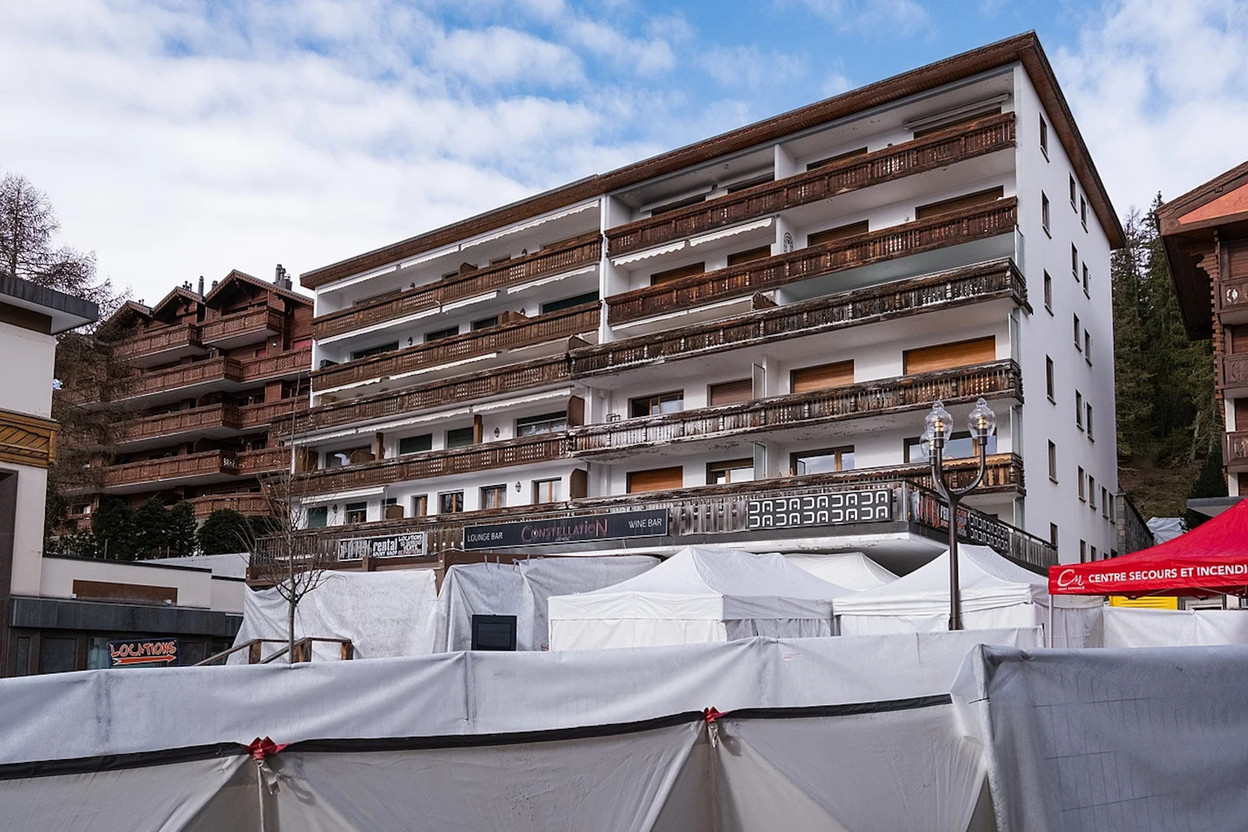
In the wake of the tragedy in Crans-Montana, where “glowing candles” on champagne bottles are at the heart of investigations, and are believed to be the cause of the fire that killed 41 people on 1 January this year, the Luxembourg government has said it is not tightening regulations on these festive accessories.
Interrogated by MP 


The two ministers explained that they had looked closely at accidents that had occurred abroad and cited by the ADR MP, such as those at the Lame Horse discotheque in Perm, Russia (2009, 156 deaths), the Kiss discotheque in Santa Maria, Brazil (2013, 242 deaths) and the Colectiv discotheque in Bucharest (2015, 64 deaths). Incidents that had similarities, such as the use of pyrotechnic devices and flammable materials, coupled with inadequate evacuation arrangements.
“The Labour and Mines Inspectorate (ITM) is aware of the above-mentioned accidents” and, in internal discussions, “similar accidents have been examined to check whether the measures required for establishments […] are sufficient”. An “analysis of the safety requirements and conditions set out in the minister of labour’s approval order” has been carried out and concludes that “the requirements and conditions, if met, are sufficient and no additional measures are necessary”, the ministers replied.
Distinction between professionals and private individuals
On pyrotechnics, the government distinguishes between “articles intended for consumers (categories F1 and F2)” and “professional articles (categories F3, F4, T1 and T2)”. For categories F1 and F2, “use […] is not subject to any particular requirements” and “the safety instructions specified by the manufacturer apply”. Conversely, “the use of professional pyrotechnic articles is subject to Commodo regulations”, with set safety measures, and it is argued that “if these instructions are followed […], there is in principle no direct risk to personal safety”.
The establishments concerned, “for example discotheques with a capacity of more than 500 people”, must also hold an operating licence. The parliamentary response also pointed out that “any use of pyrotechnic items […] as well as open flames […] must be declared with an indication of the necessary safety measures”.
And, after the incidents cited, “the government did not send any specific communication” to operators. Prevention is based above all on “compliance with safety standards” and on “inspections and awareness-raising activities”, while the CGDIS “wishes to extend its awareness-raising campaign” to promote “first firefighting techniques and safe evacuation of the building”.