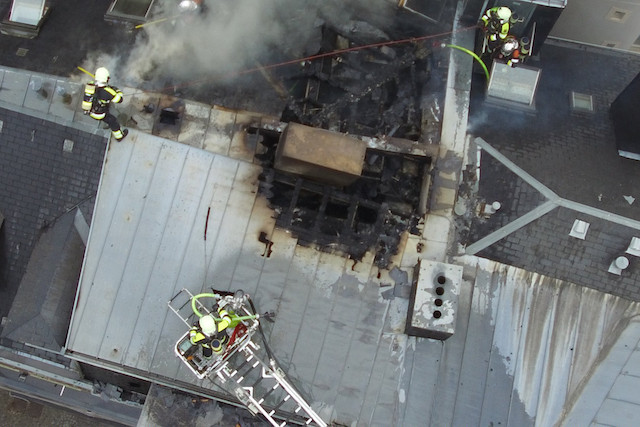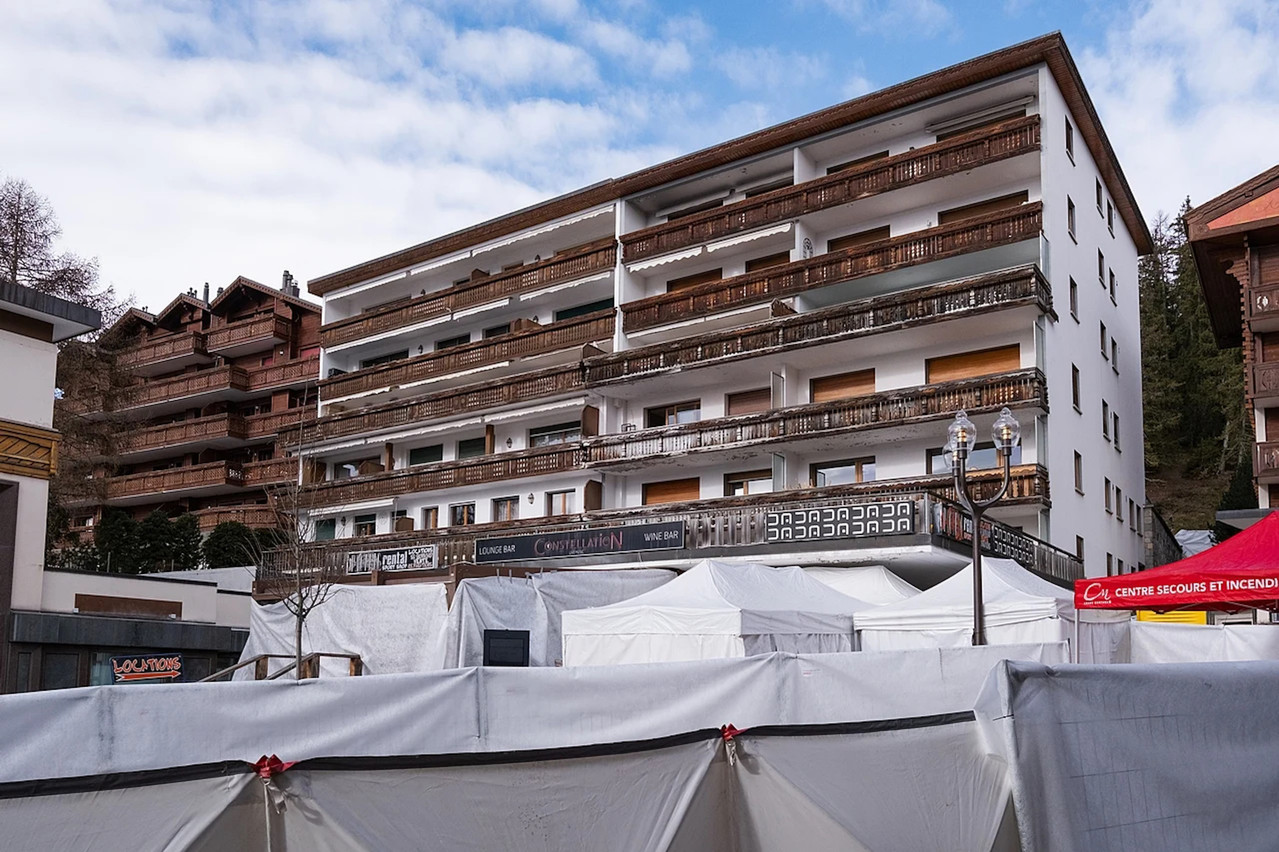
The fire at a nightclub in Crans-Montana on New Year's Eve is being investigated by the Swiss authorities. The causes, the precise sequence of events and any responsibilities have not yet been established. But this terrible tragedy prompts us to take a quick and serious look at the real state of fire prevention in Luxembourg, based on data published by the authorities themselves.
Luxembourg's regulatory framework is among the most detailed in Europe. The regulations issued by the Labour and Mines Inspectorate (ITM) precisely define the conditions for opening and operating establishments open to the public: fire detection and alarms, exits and escape routes sized according to the number of people, smoke extraction, fire compartmentation, emergency lighting, materials with a controlled reaction to fire, first response resources and a documented human organisation. The objective is clear: to enable the public to evacuate quickly before smoke and heat render the premises impassable.
A reading of the ITM's annual reports over the last four years shows, however, that the existence of strict rules does not mean that they are applied uniformly. In 2021, occupational health and safety inspections gave rise to 555 offences, 121 of which related to evacuation and 120 to fire prevention (44% of the total). In 2022, of the 742 offences recorded, 154 related to evacuation and 133 to fire prevention (38.7%). In 2023, the total number of breaches rose to 1,127, with 178 relating to evacuation and 149 to fire prevention (29%). In 2024, the ITM recorded 1,200 breaches, with 185 relating to evacuation and 167 to fire prevention (29.4%).
The entity's inspections primarily target establishments open to the public and classified establishments, i.e. places identified as presenting increased risks in terms of safety and fire prevention. Bars, restaurants, discotheques, theatres, hotels and busy shops are among the main establishments concerned, alongside industrial and logistics companies. The offences recorded therefore do not concern activities where nothing is at stake, but sites where a failure would have a direct impact on people's safety.
A worrying catalogue of risks
The details provided by the reports shed light on the nature of these failures: cluttered emergency exits, non-compliant escape routes, missing or faulty signage, blocked escape doors or unsuitable opening devices; on the fire prevention side, missing or poorly maintained equipment and installations that do not comply with regulations. These are not abstract administrative shortcomings, but conditions likely to complicate or prevent evacuation when fire breaks out.
These figures should, however, be interpreted with caution. The volume and nature of infringements detected depend directly on the intensity of inspections and the priorities set by ITM. Since 2021, the Inspectorate has significantly increased the number of inspections and targeted certain areas deemed sensitive. An increase in the number of breaches identified may therefore reflect increased vigilance rather than an objective deterioration in practices. Similarly, the change in the relative proportion of offences relating to evacuation and fire prevention also reflects the areas of control prioritised by the administration, although the published data do not allow us to measure directly the actual level of risk in all the establishments concerned.
The data relating to classified establishments point in the same direction. In 2023, the ITM found 757 non-compliances, of which 138 related to evacuation and 108 to fire prevention (almost a third of the total). In 2024, of the 840 non-compliances found, 85 related to evacuation and 108 to fire prevention (around 23%). Here again, the relative proportion is falling, but there are still shortcomings in critical areas.
In 2024, 71.2% of the occupational health and safety breaches observed were rectified during the year, following injunctions or deadlines for compliance granted to operators. In the case of classified establishments, 51.7% of the non-compliances observed were also corrected.
Nearly 72,000 interventions in 2024
In addition to these findings, there are the emergency response figures: in 2024, Luxembourg firefighters intervened 71,965 times, including 2,764 times for fires, all categories combined. These figures do not indicate the level of compliance of the establishments concerned, but serve as a reminder that fire remains a regular occurrence and that the main issue, when it occurs in occupied buildings, remains the prior evacuation of people.
Taken together, these elements provide a factual observation. Luxembourg has stepped up its controls and proportionately improved compliance with the most critical rules since 2021. But the data also shows that there are still many structural shortcomings in relation to evacuation and fire prevention.