An uneasy silence has fallen over private capital as the flow of cash that once replenished investors’ balance sheets slows. For years, limited partners (LPs) recycled exit proceeds into new fund vintages, supporting fundraising and valuations across the industry.
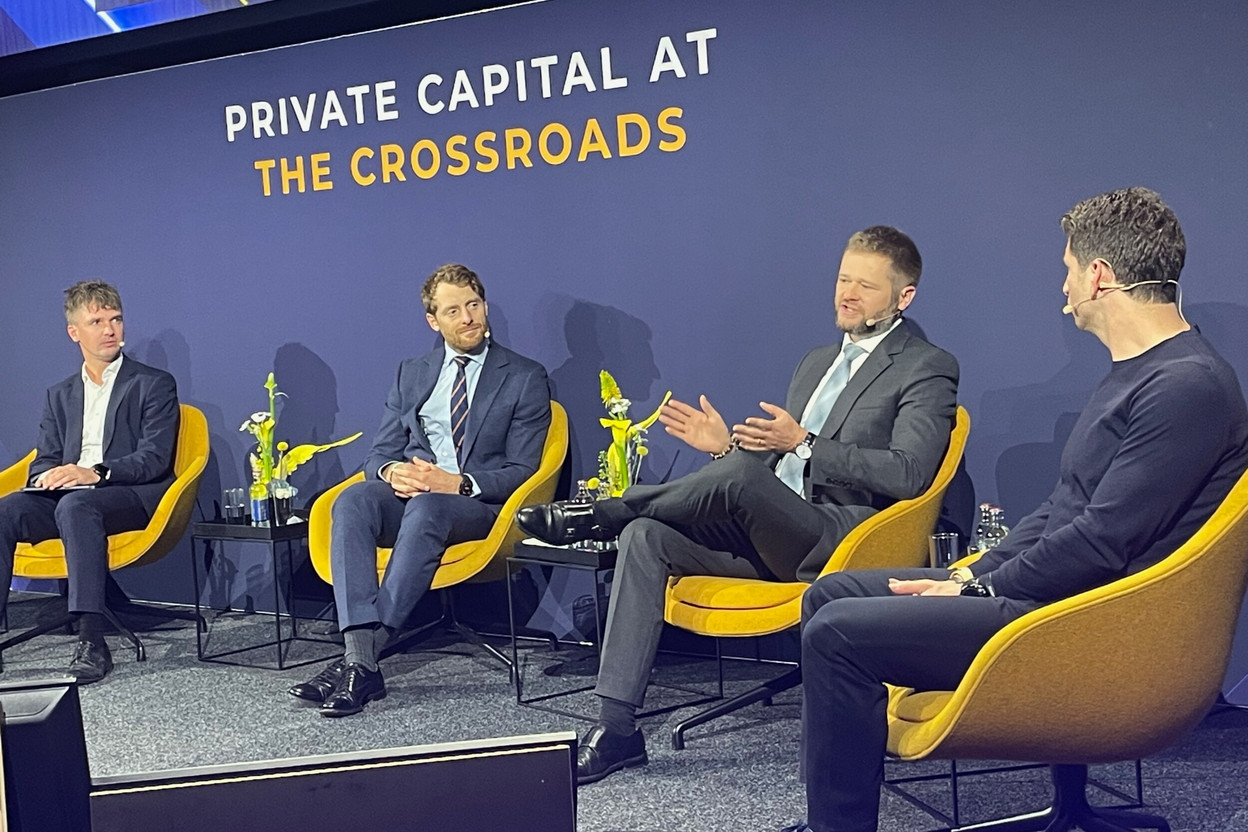
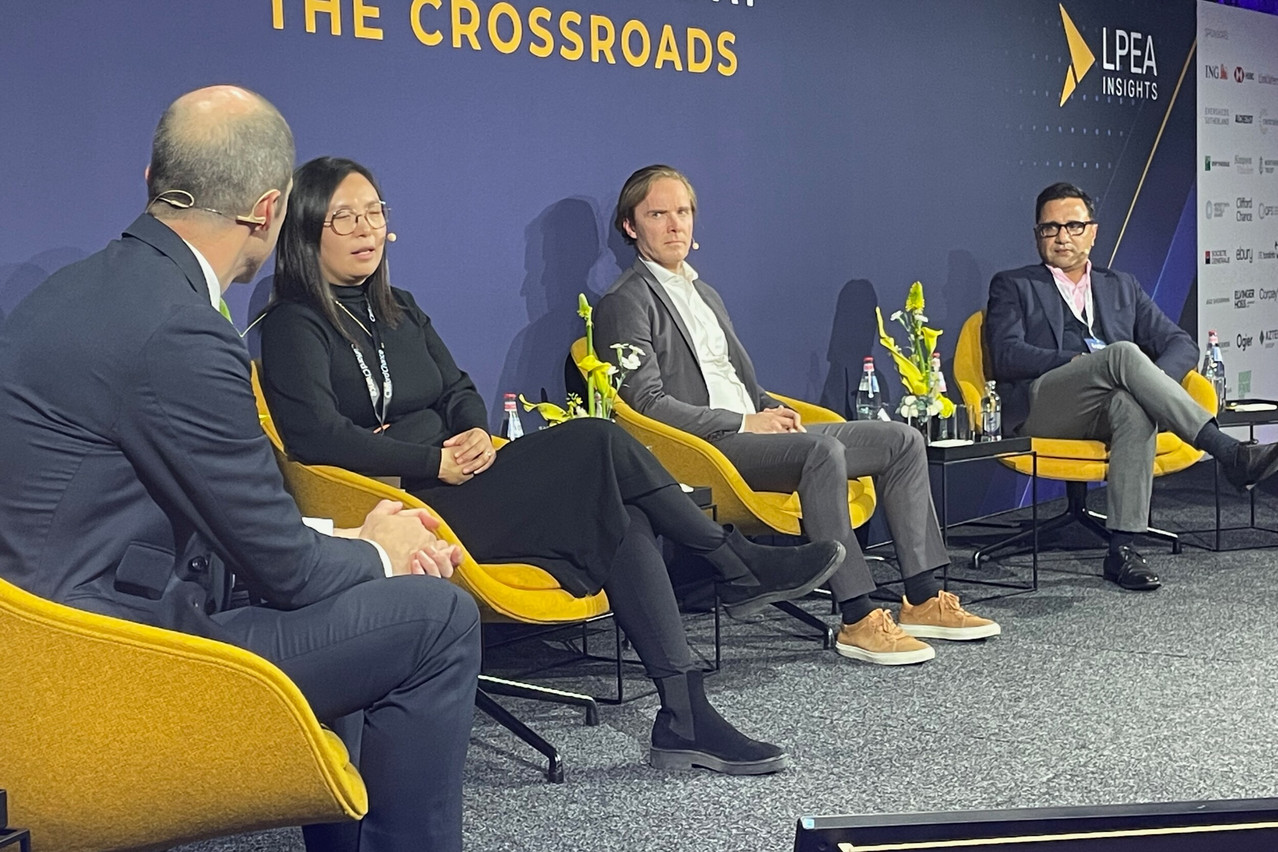
That distribution engine has weakened as higher interest rates, valuation gaps and subdued exit markets keep capital locked inside portfolios. During an “LP Perspective” panel at LPEA Insights in Luxembourg on 15 October, European investors described a market shaped by scarce liquidity, fee tensions and structural change.
The message from the panel was clear: LPs are no longer willing to wait passively for returns. They are reassessing allocations and rewriting the terms of their relationships with general partners (GPs).
The liquidity squeeze deepens across markets
The central challenge is the slowdown in cash distributions. Shanu Sherwani (right), chief investment officer at Kneip Management, said annual distributions across the firm’s portfolio had fallen from historical levels of 14%–20% to about 6%.
As a guide, we aim for a minimum DPI of 20%,” Sherwani said.
Distributions to paid-in capital, or DPI, measure the cumulative cash returned to investors relative to the capital they have contributed. This differs from distributions expressed as a percentage of a portfolio’s NAV, another measure frequently used to assess current liquidity.
Capital returned to LPs hit its lowest proportion on record last year, returning barely 11% of portfolio value, said Chen Xu, head of alternative investments at Klarphos.
Distribution-to-deployment ratios also remain below 1.0x, according to the panel, meaning that investors are receiving less cash than they are being asked to commit or deploy. Klarphos runs stress tests based on the possibility that weak distributions will persist longer than previous cycles suggest.
Xu said private equity portfolios face particularly acute liquidity constraints, while credit-heavy portfolios retain greater capacity to deploy capital.
Fee frictions and delayed reporting strain trust
Longer holding periods are intensifying tension between LPs and GPs over management fees. Sherwani questioned whether investors should continue paying full fees on assets held beyond their expected investment horizon because managers cannot secure acceptable exit valuations.
He argued that GPs should adjust their fee structures when holding periods extend significantly, aligning their economics more closely with the delivery of cash returns.
Reporting delays are another source of friction. Sherwani said some quarterly reports arrive as much as three months after the reporting period. LPs increasingly want preliminary information within two to three weeks of the quarter-end, even if fully validated reports follow later.
Continuation vehicles spark valuation debates
With traditional exit markets constrained, managers have turned to secondary transactions and continuation vehicles to generate liquidity.
The panelists distinguished between single-asset and multi-asset structures. A single-asset continuation vehicle may be justified when a manager wants to retain a high-performing “jewel in the crown” beyond the original fund’s life. Multi-asset vehicles, however, attracted greater scepticism.
Sherwani warned that such vehicles could be used to transfer assets acquired at peak valuations between 2018 and 2021 when managers are unable to sell them or take them public.
These transactions can create conflicts between investors in the original fund, who may be seeking liquidity, and investors entering the continuation vehicle. The panel also questioned whether some secondary transactions were designed partly to improve reported distribution metrics ahead of a new fundraising cycle.
Capital concentrates in European deep tech
Despite pressure on liquidity, investors continue to find opportunities in European deep tech, defence and artificial intelligence.
Johannes Virkkunen (centre) of the European Investment Fund pointed to major recent financings, including Mistral AI’s €3bn round, Isar Aerospace’s nearly €300m and The Exploration Company’s $450mn. He said these transactions demonstrated continued appetite for high-conviction European technologies.
European pension funds are participating alongside global investors, helping promising technology companies remain headquartered and financed in Europe, Virkkunen said.
Sherwani said his firm had reduced its US allocation from 50% to 40% while increasing exposure to European opportunities, including Germany’s Mittelstand, and to growth markets in Southeast Asia, India and Japan.
Redefining LP and GP partnerships for future
As private capital adjusts to a longer period of constrained liquidity, LPs are placing greater weight on communication, specialisation and economic alignment.
The European Investment Fund, which has maintained some GP relationships for more than 30 years, emphasised the importance of transparency. Xu compared LPs and GPs to passengers and pilots on the same aircraft: LPs do not expect to manage day-to-day operations, but they do expect immediate and candid communication when turbulence arises.
Future commitments are likely to concentrate among managers with demonstrable expertise in sectors such as healthcare and deep tech, Sherwani said. Generalist managers may find fundraising increasingly difficult unless they can articulate a distinctive investment proposition and align their fees with investor outcomes.
With more than 1,600 European venture funds reportedly active, differentiation is becoming a prerequisite rather than an advantage.