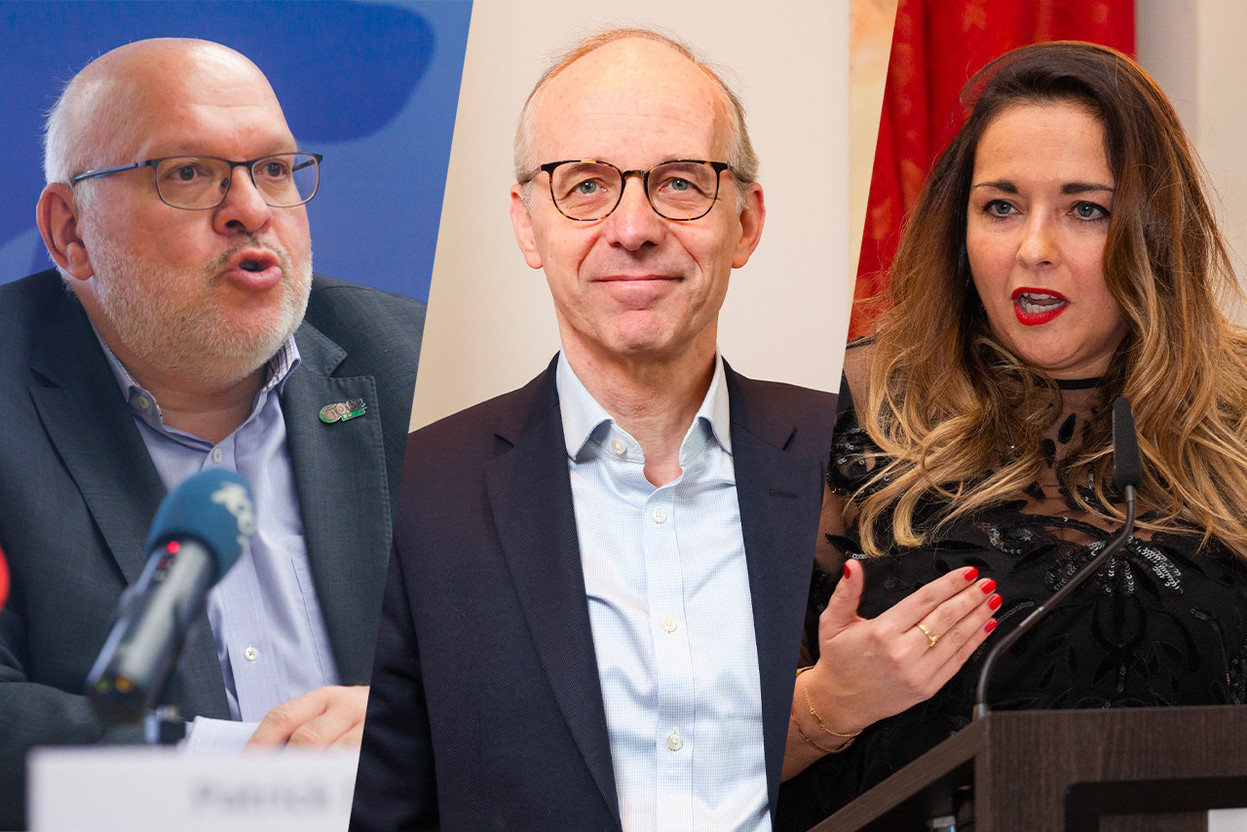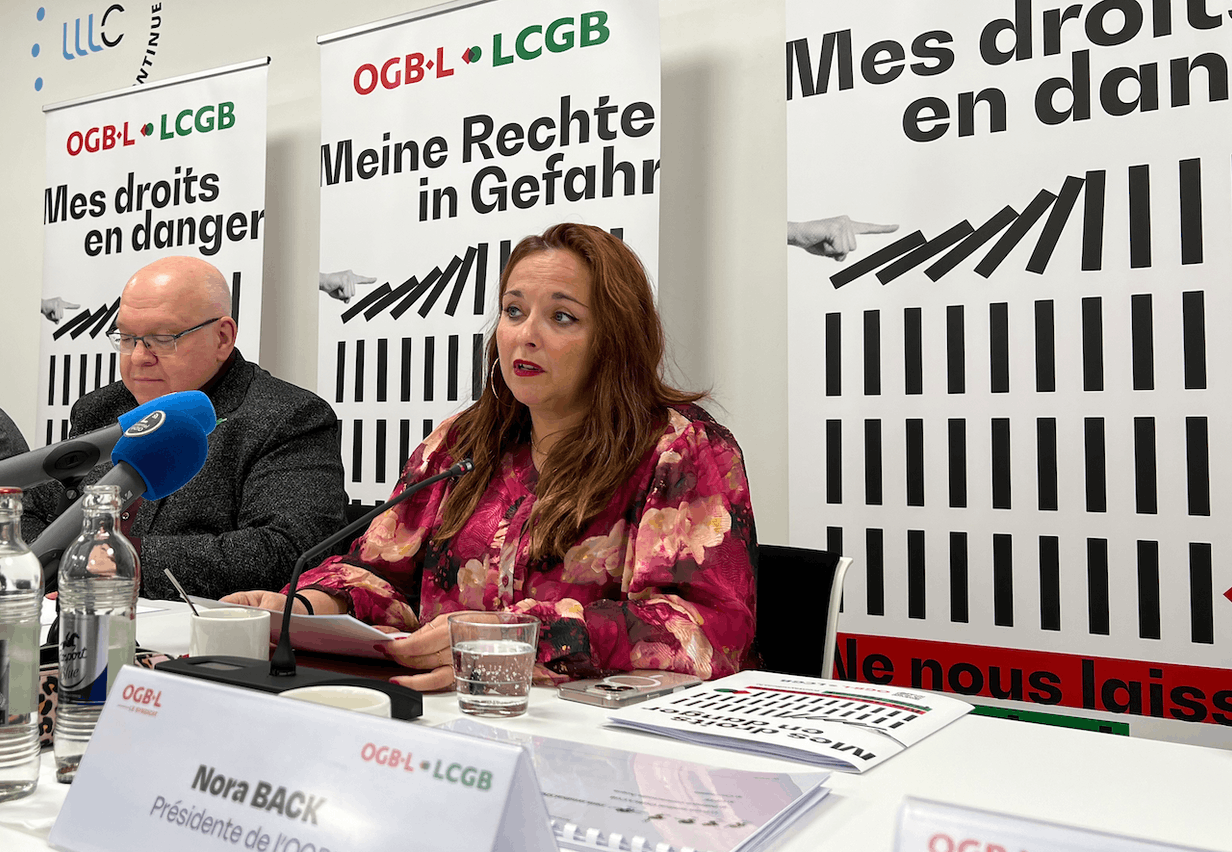
Distrust, disenchantment... Since the start of the new academic year in September 2024, the unions believe that the government and employers are waging a major coordinated offensive against social gains. “These attacks are the most violent in decades,” believe 

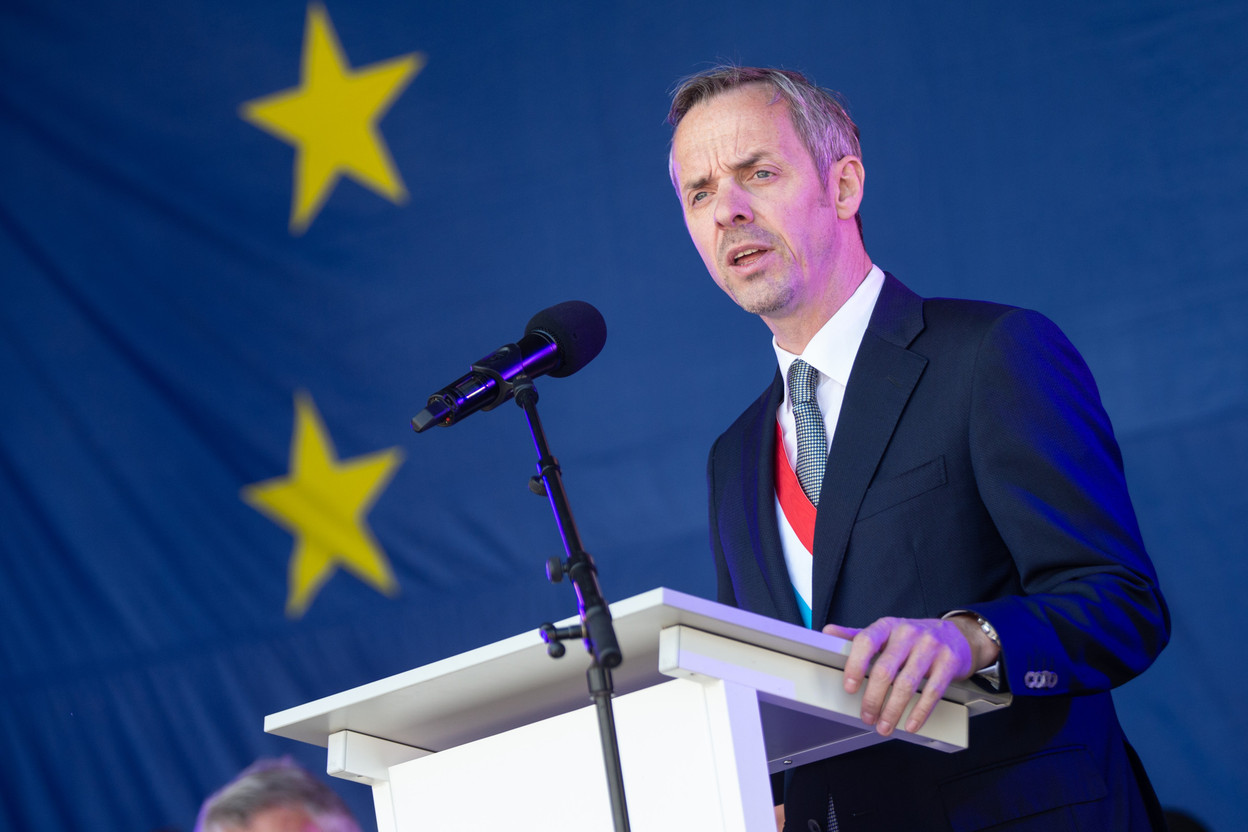
In their view, all these attacks have a common objective: “the death of the Luxembourg social model and the desire to marginalise the trade unions.” Trade unions are kept informed, but not consulted, or even presented with a fait accompli, as was the case with the reform of opening hours in the commerce and craft sector. “It’s characteristic of this government to decide unilaterally,” say the two union representatives in chorus. For them, prime minister 
“Unacceptable,” say the latter. These attacks do not bode well for the next major projects on the government’s agenda: a new organisation of working hours and pension reform. The unions take these reforms for granted.
Social roundtable is a long time coming
Faced with union discontent and attacks on labour minister 

But Back and Dury regret that the roundtable has not yet been held. They are calling for a timetable to be set quickly and for all the disputed bills to be suspended before being discussed at a round table during which consensus should be reached--including precise timetables for negotiations before the standing committee on labour and employment, “the natural place for reforms to be discussed.”
They are also calling for the right of nationally representative trade unions to negotiate and sign collective agreements to be confirmed and guaranteed, and even for the means of negotiation to be strengthened.
Joint actions
While waiting to be invited to this round table, the OGBL and LCGB have decided to create a united front. A joint website, frontsyndical.lu or gewerkschaftsfront.lu, went online on 28 January. It contains the agenda for forthcoming joint actions. For the time being, these include an awareness-raising action in front of the Chamber of Deputies on 5 February “to draw the attention of the members of the labour committee to the demands of trade unions and employees in the commerce sector.” The following day, delegates from the OGBL and LCGB unions will meet at the Casino Syndical de Bonnevoie to reiterate their demands regarding the liberalisation of opening hours and Sunday working.
The event will culminate in a major national demonstration on 28 June. Dury and Back attribute this distant deadline to the operational constraints involved in organising such an event. They point out that between 6 February and 28 June, other one-off operations such as pickets could take place. And let’s not forget May Day, which could be organised as a single event.
This article was originally published in French.