Luxembourg securitisation four years after modernisation
The modernisation of the Luxembourg Securitisation Law in 2022 raised an important question: how far has the reform actually changed market practice?
The answer is more nuanced than a simple success story. While some changes have quickly become embedded in deal structuring, others have remained more cautious additions to the market’s toolbox. The result is a legal framework that is clearly more flexible than before, but whose different reform pillars are not advancing at the same pace.
Rather than changing only one aspect of the regime, the reform reshaped multiple building blocks of the Luxembourg securitisation framework. It expanded financing options, broadened structuring possibilities and clarified key regulatory concepts, reflecting a broader effort to adapt the Law to a more complex market environment.
The reform seems to have delivered its strongest impact where market demand was most immediate: funding flexibility. As securitisation structures moved beyond classic note-based models, Luxembourg’s broader funding framework has become one of the clearest examples of the Law adapting successfully to changing transaction realities.
Other reforms, however, have seen a more gradual impact. The wider range of legal forms has increased structuring options without yet changing the market’s established preferences. Likewise, although actively managed debt portfolios are now possible, Luxembourg is still developing its position in a segment long dominated by other jurisdictions.
Some of the more technical reforms may appear less visible, but they also matter in practice. Measures affecting securitisation funds, legal subordination and compartment-level operation contribute to a framework that is more coherent, more usable and better adapted to modern structuring realities.
Viewed as a whole, the modernisation reflects Luxembourg’s securitisation regime adapting in meaningful ways to changing market realities, even where the full effect of certain measures is still unfolding.
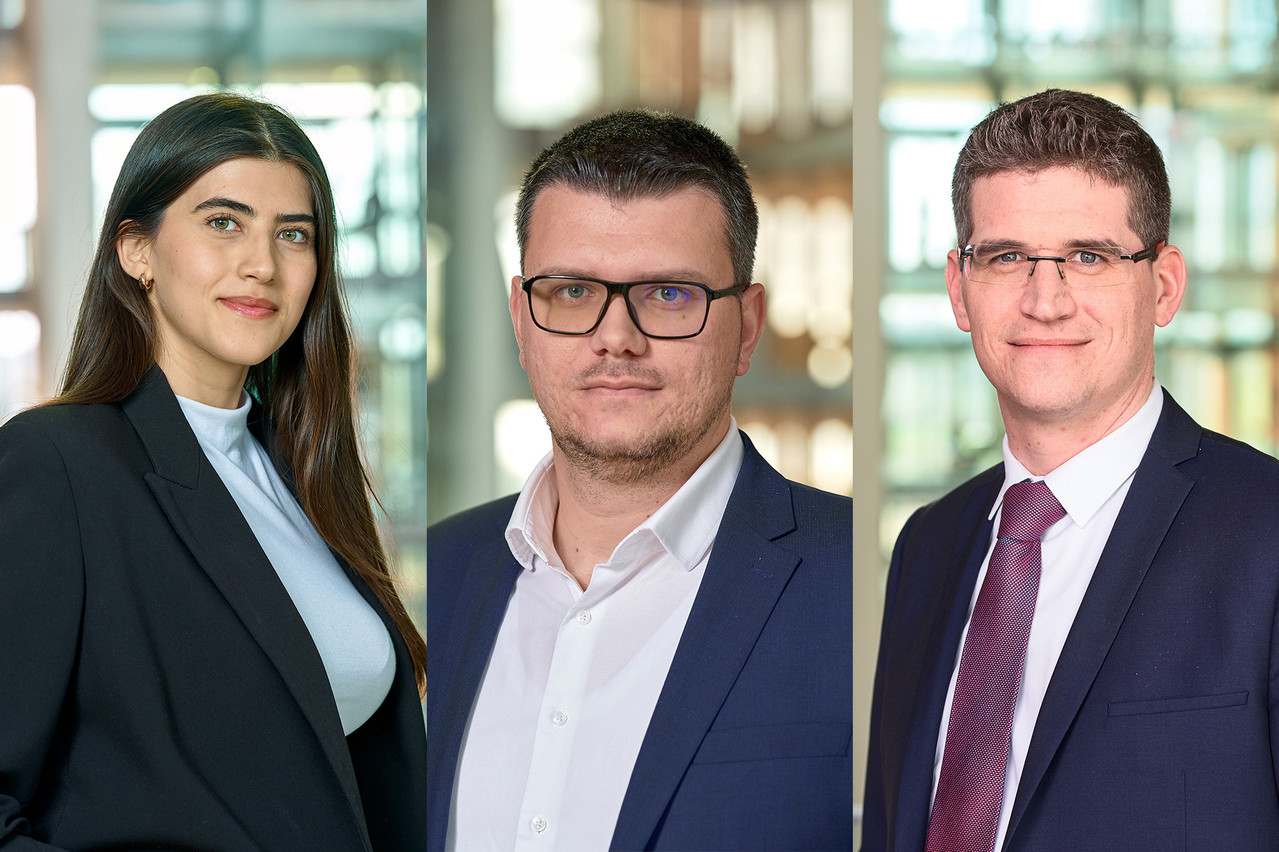
Interested in the full picture? This executive summary is based on a more detailed article written by:
– Aynur Jabbarbayli, Senior Associate, PwC Luxembourg
– Andrei Radu, Director, PwC Luxembourg
– Markus Zenz, Partner, PwC Luxembourg